
“If you are not doing anything about wrongful convictions or mass incarceration, you probably would not have done anything about slavery or lynchings.” These words, from Equal Justice Initiative founder Bryan Stevenson, greeted me when I entered an exhibit hall in the EJI Legacy Museum in Montgomery, Alabama. I’ve thought about them since. After all, what have I done about these persistent injustices?
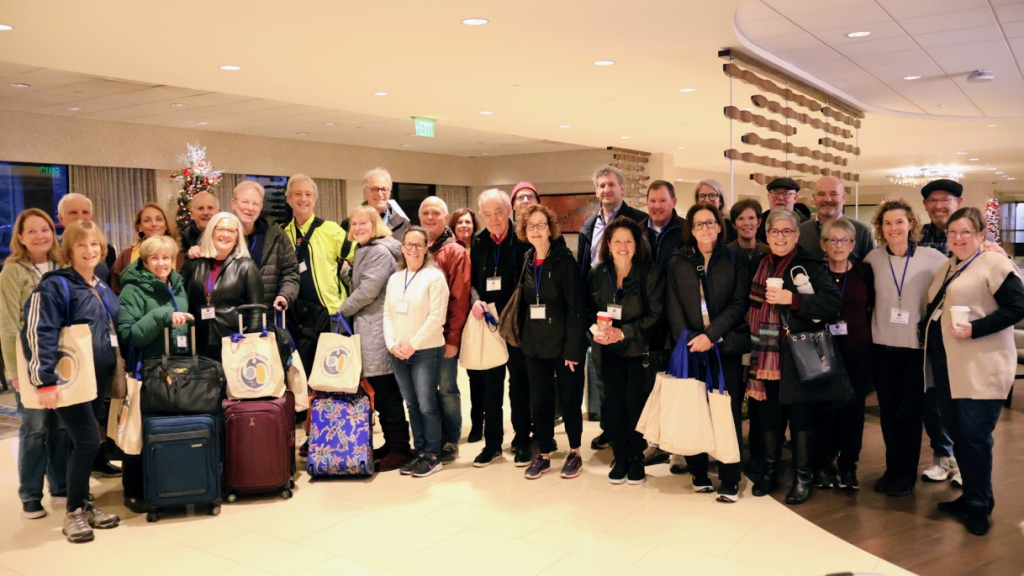
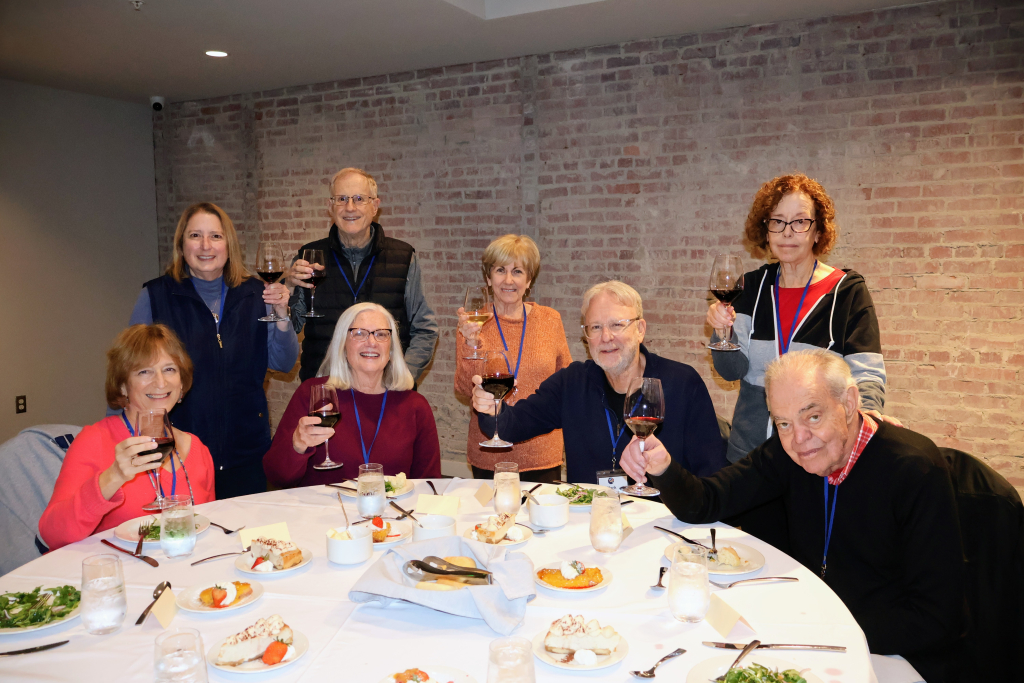
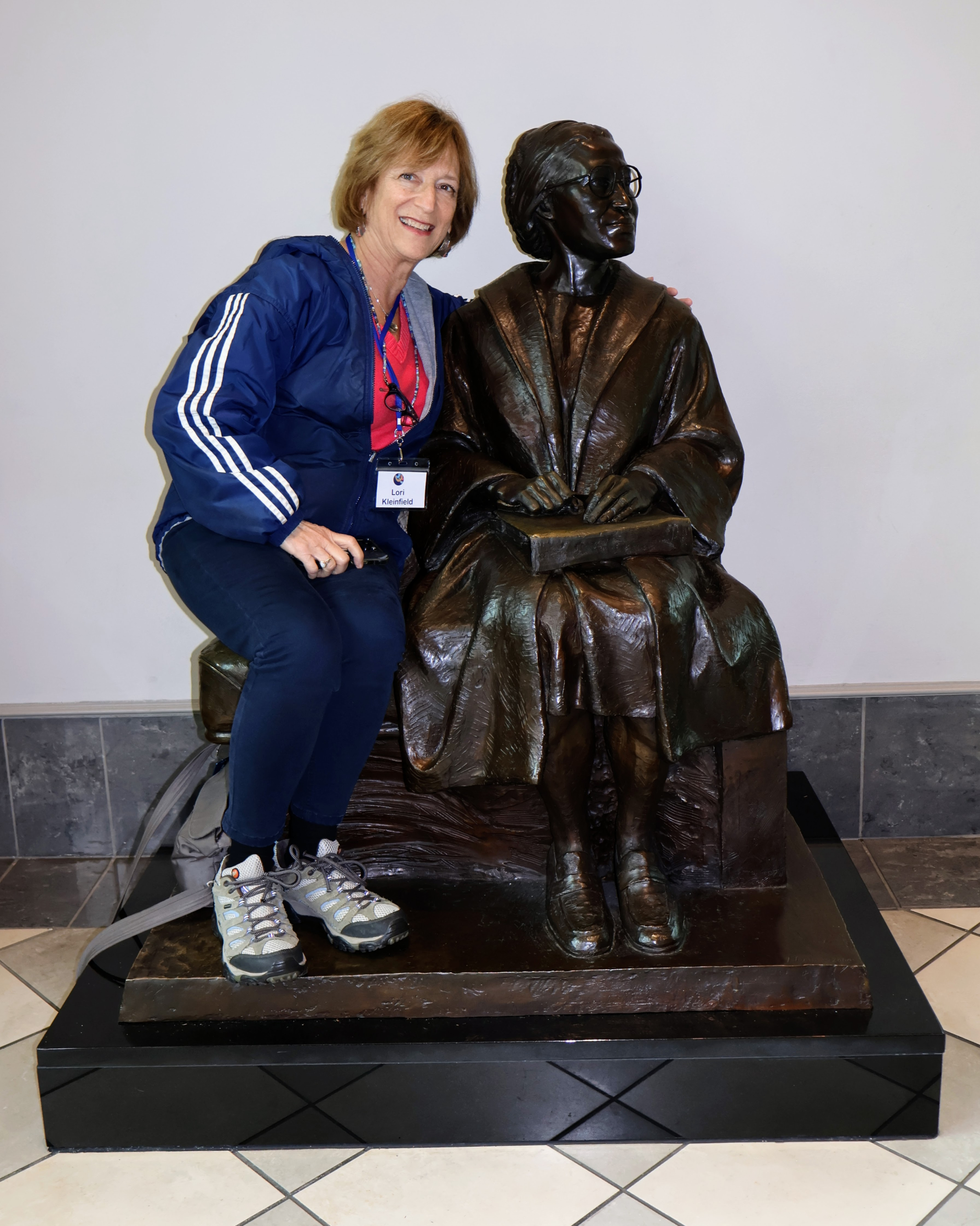
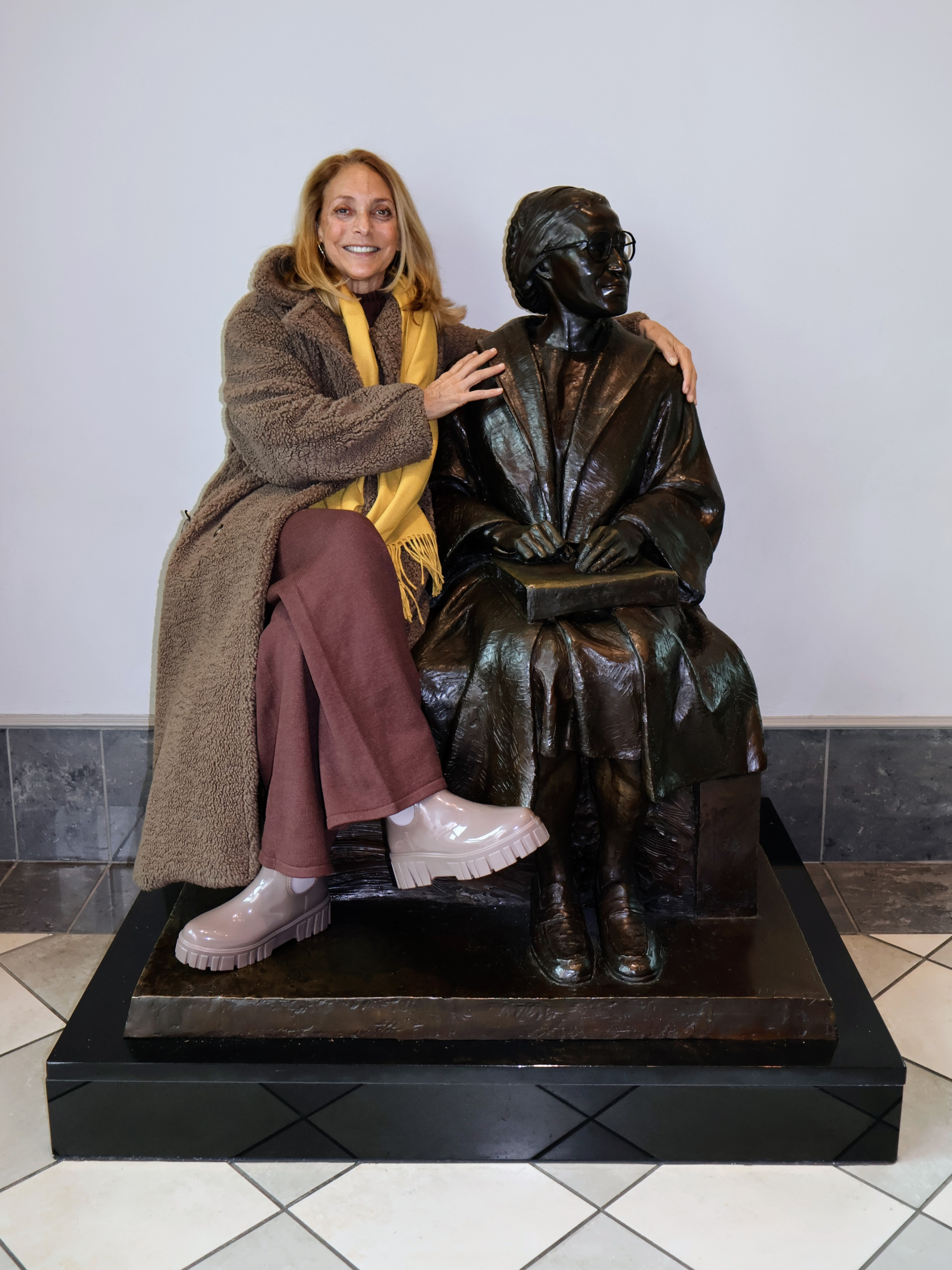
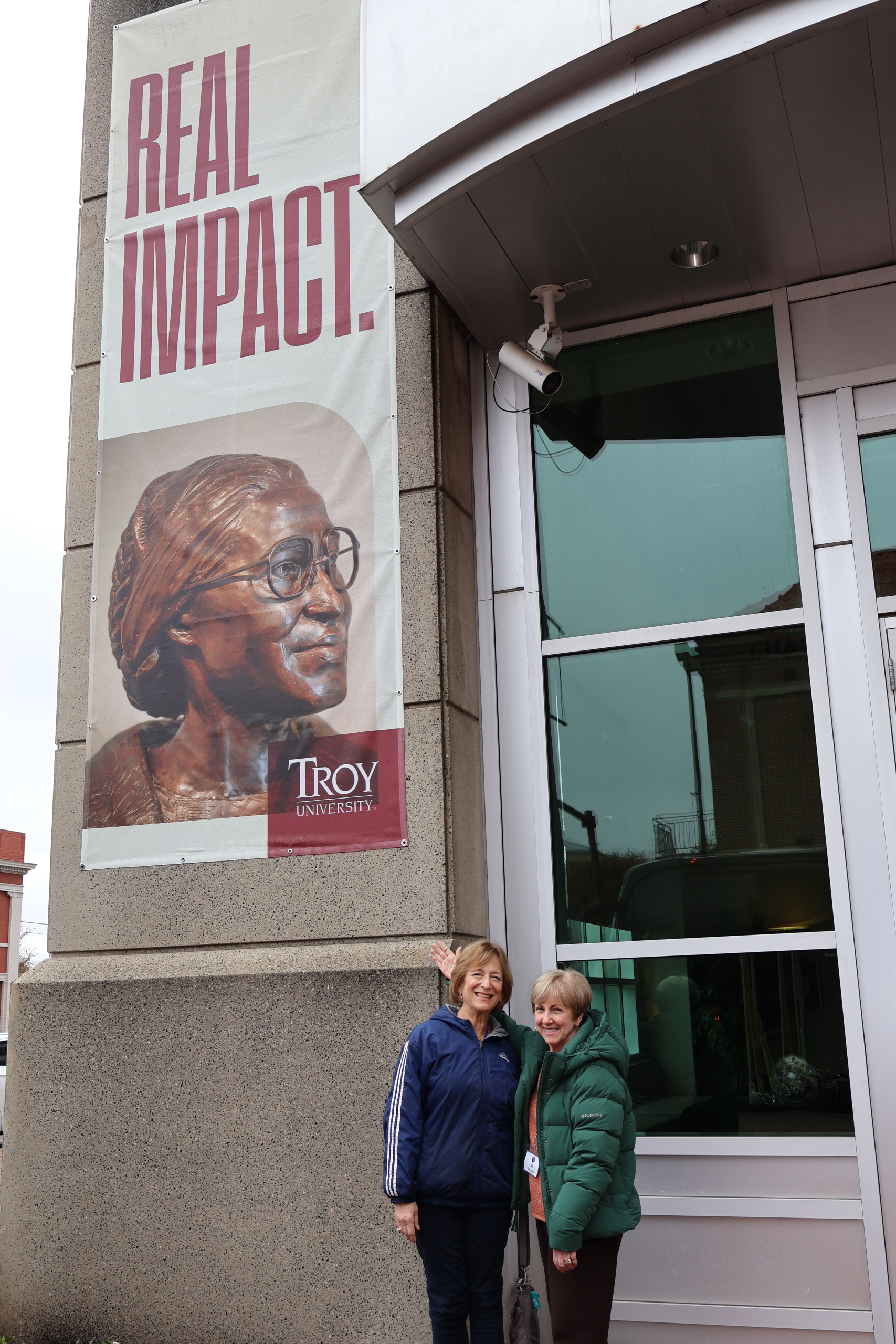
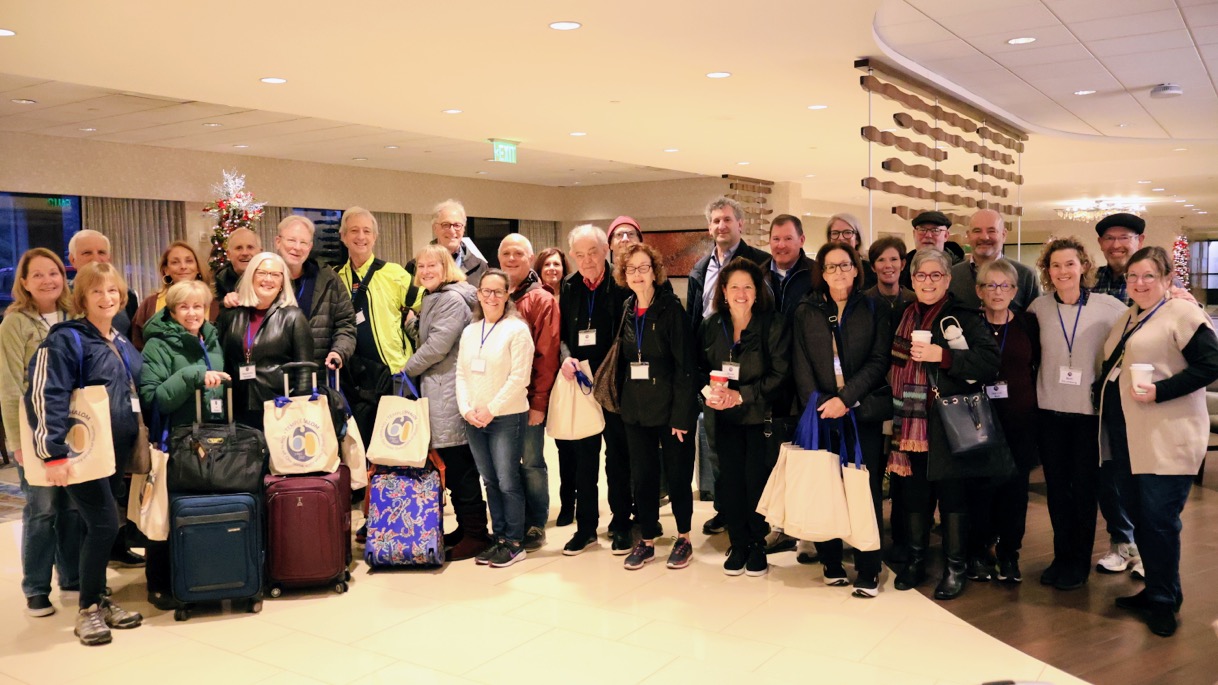
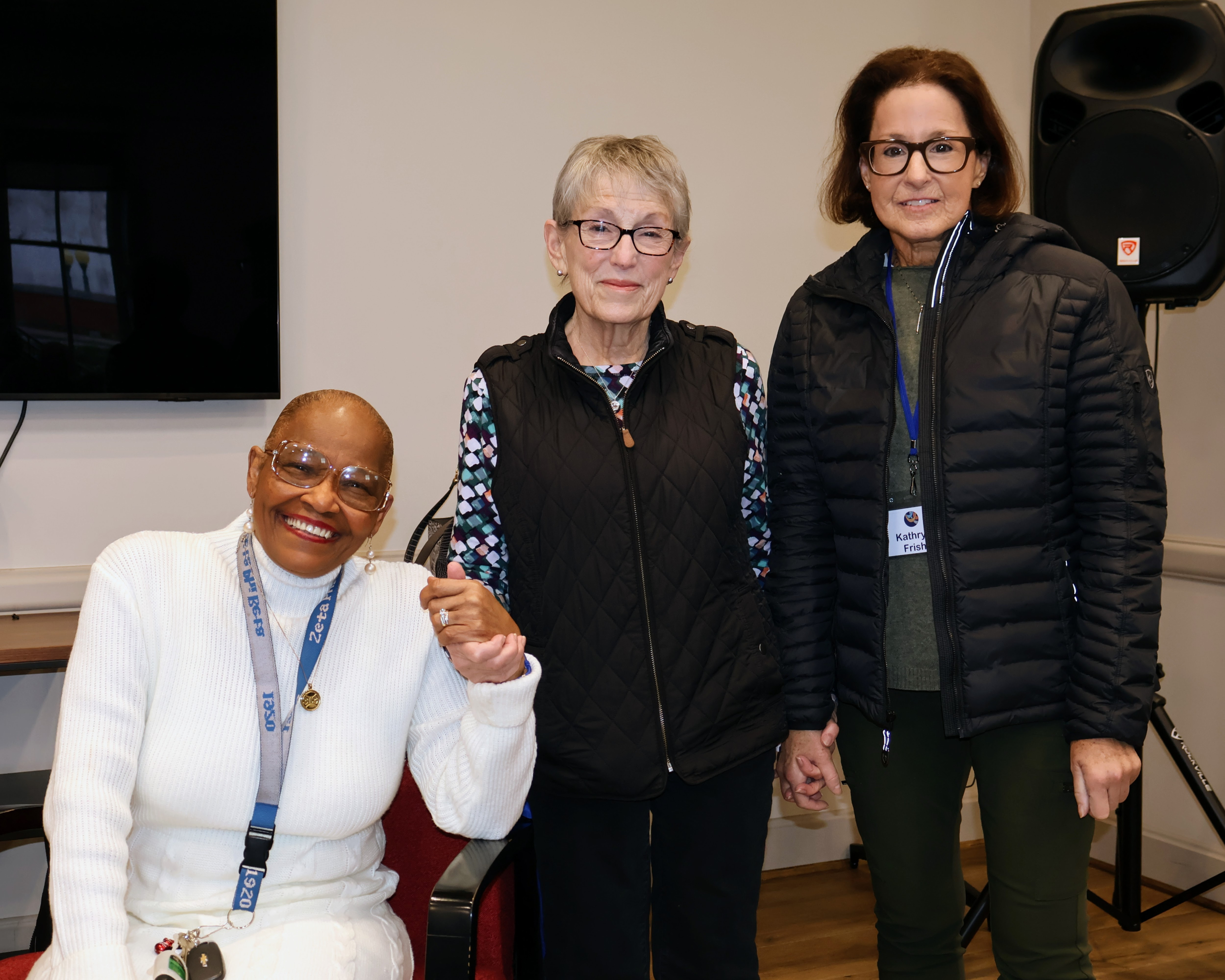
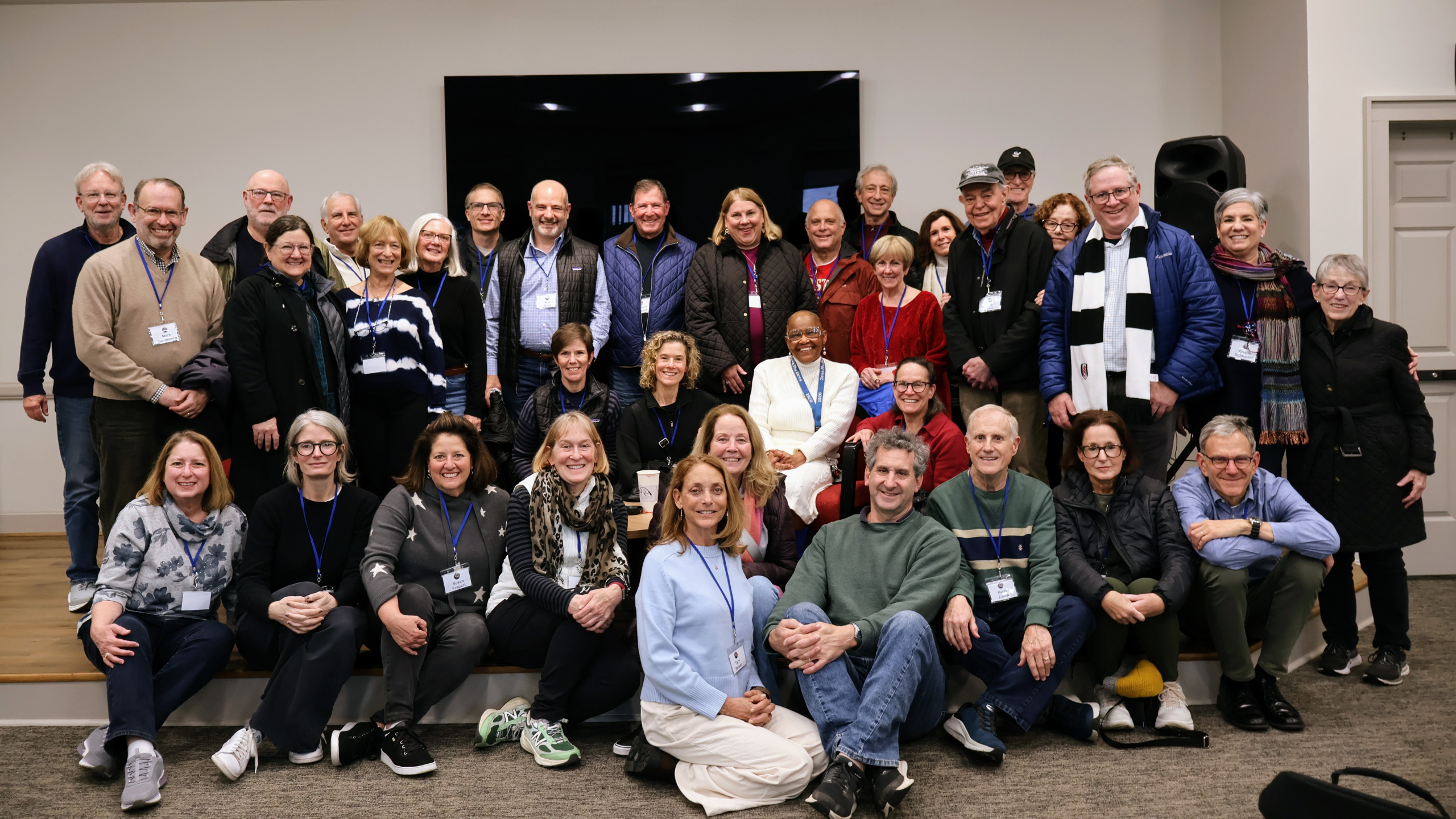
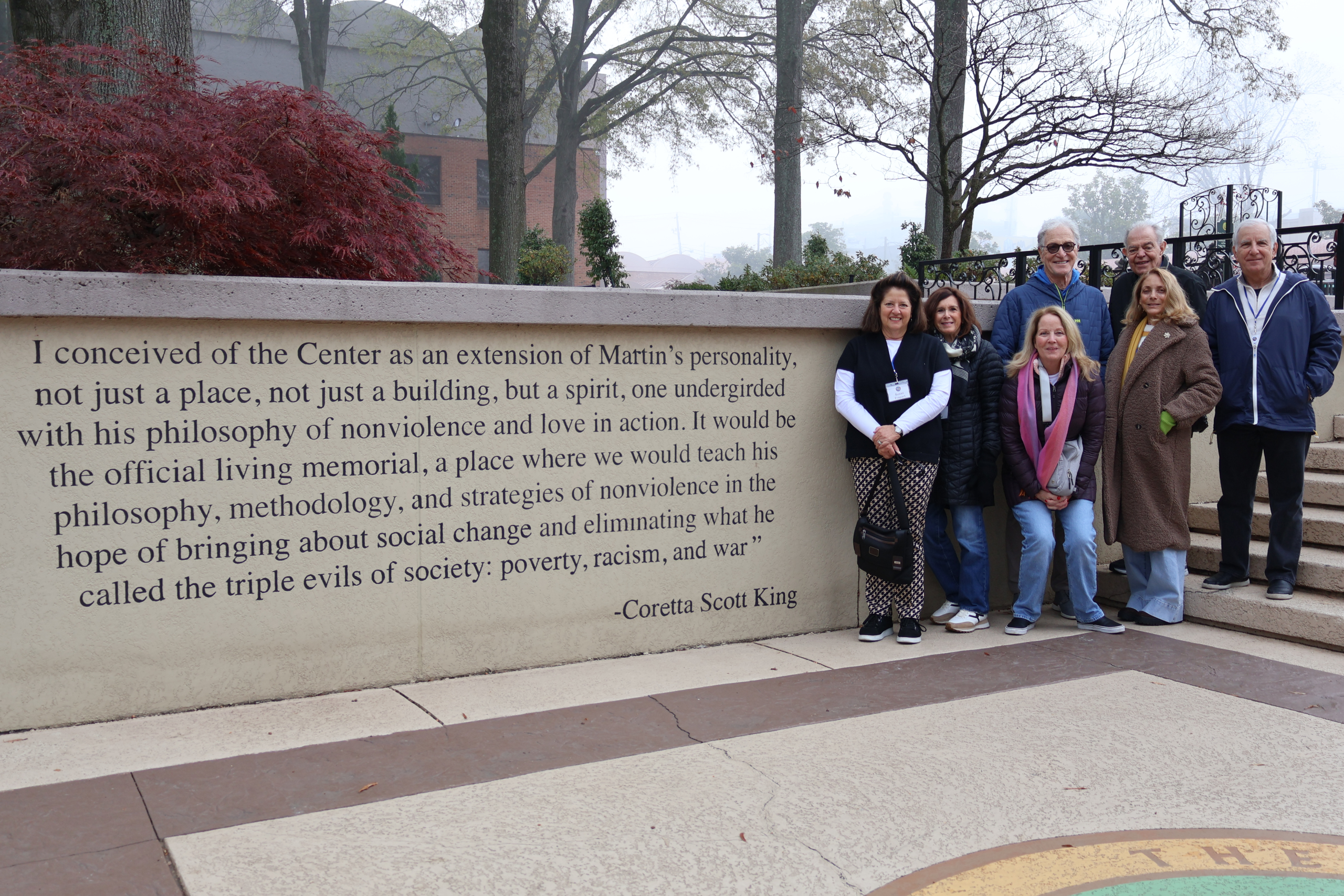
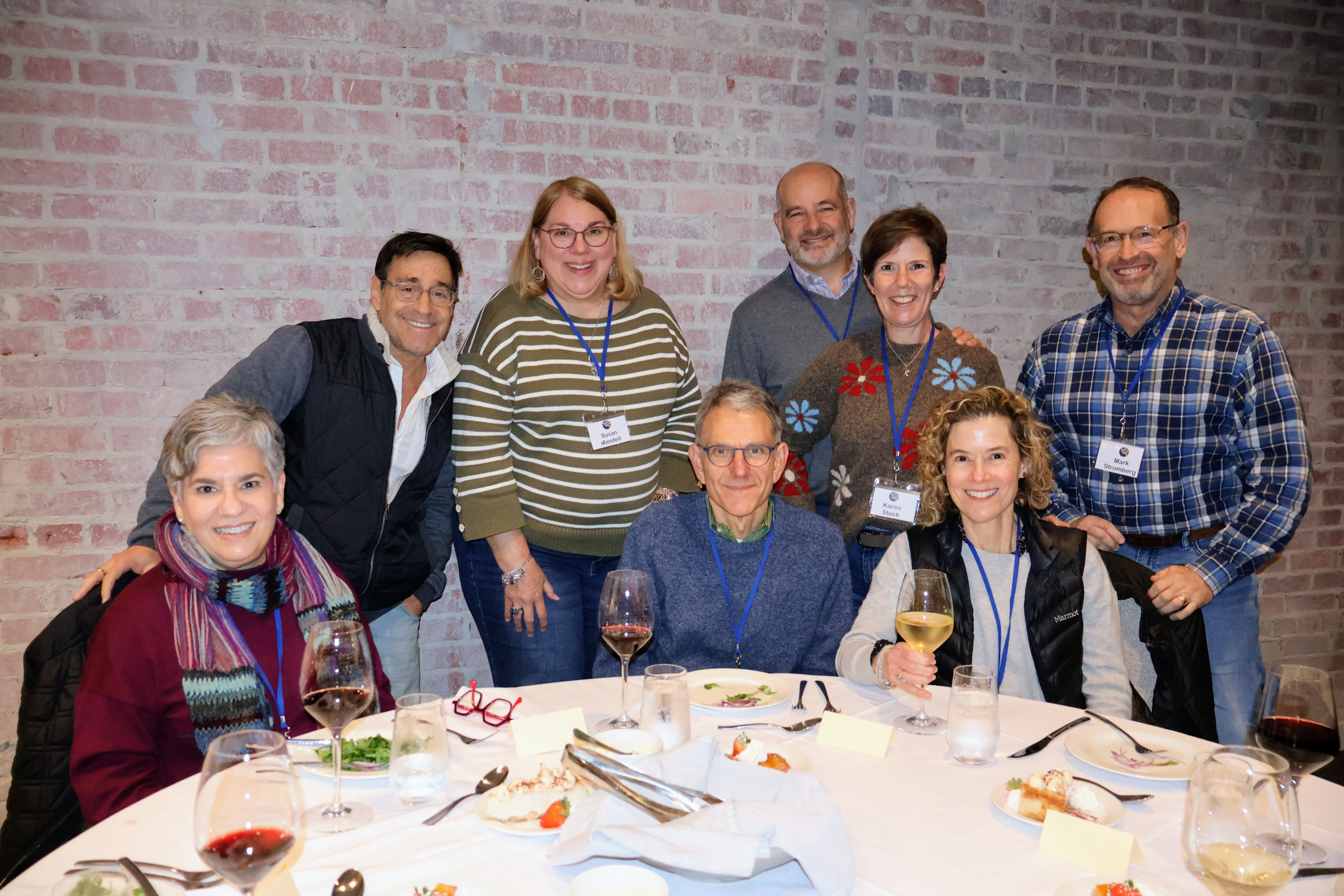
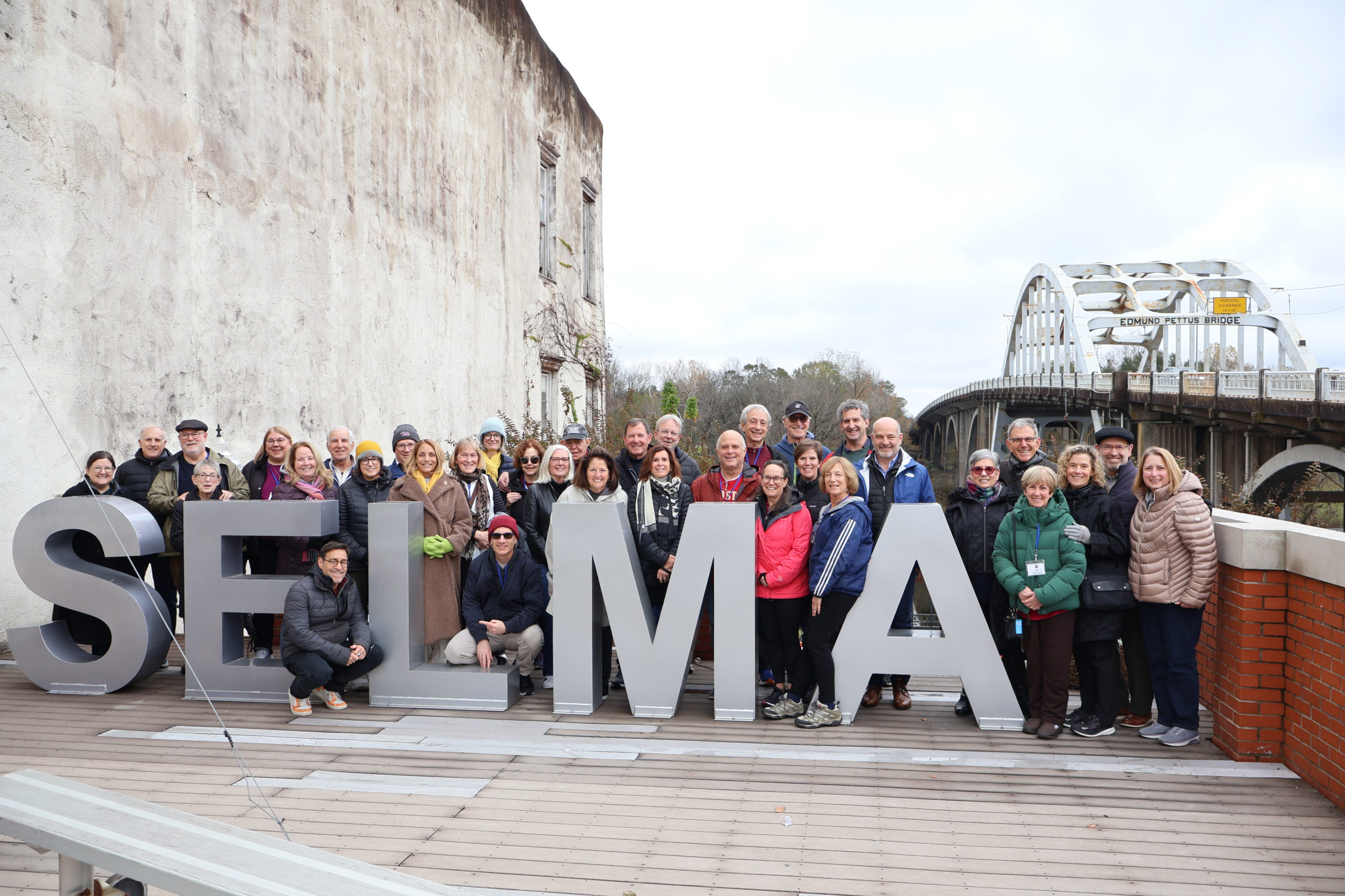
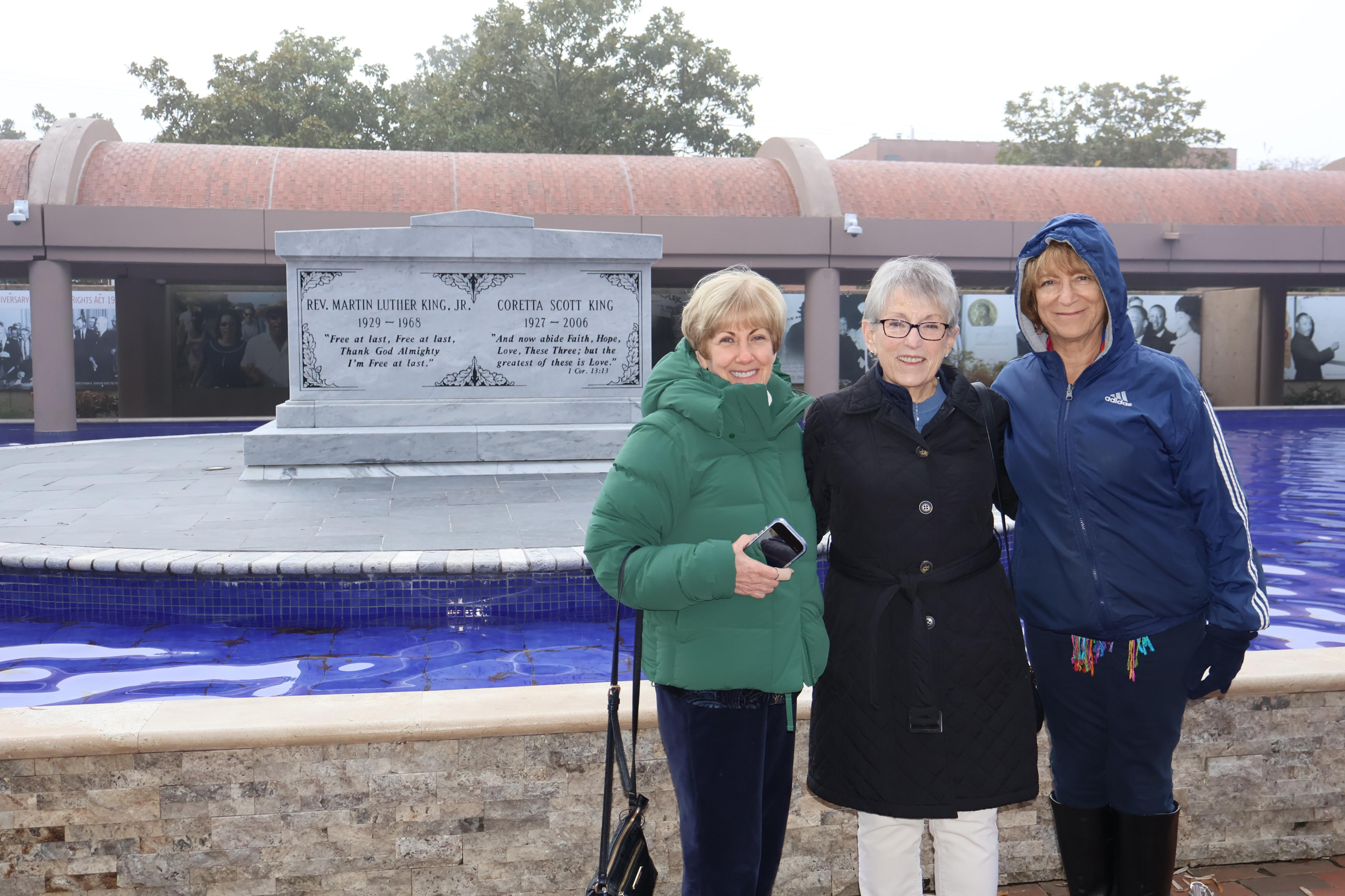
I visited Montgomery as part of Temple Shalom’s recent Civil Rights Journey, a whirlwind two-and-a-half days through Atlanta, Montgomery, Selma, and Birmingham. My kids, Allie and Cub, took the trip in early 2025 as part of Temple Shalom’s youth programming. Hearing their experiences, I decided I needed to witness them myself. After that, a Temple Shalom dream team made it happen. Debbie Niederman and Rabbi Paley connected us with Etgar 36, a company leading civil rights tours for the past twenty years. Harriett Bell and Kathryn Frish worked their magic, organizing information sessions, meals, and other details. Rodney Schlosser promoted the trip, and we soon had 36 registrants.
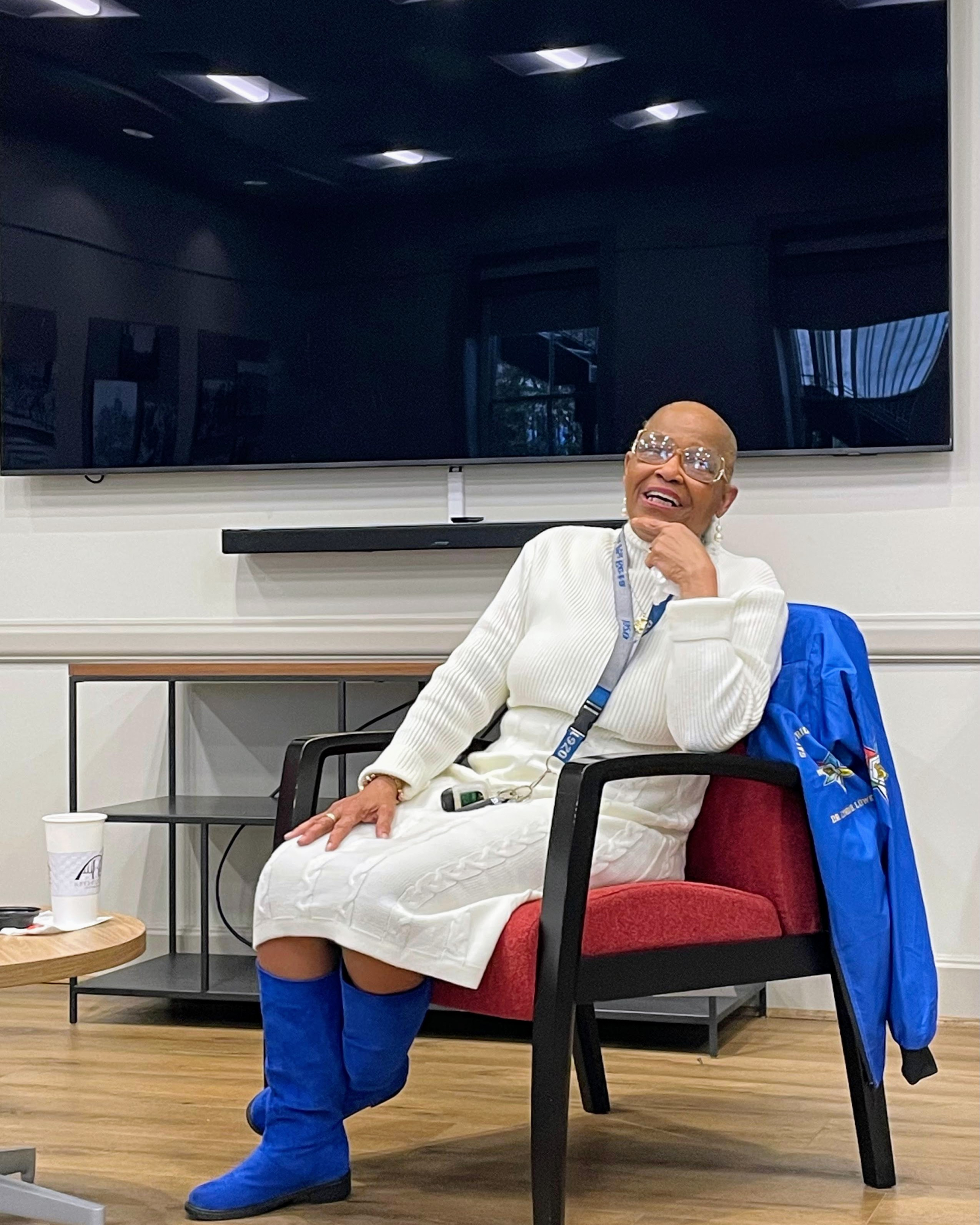
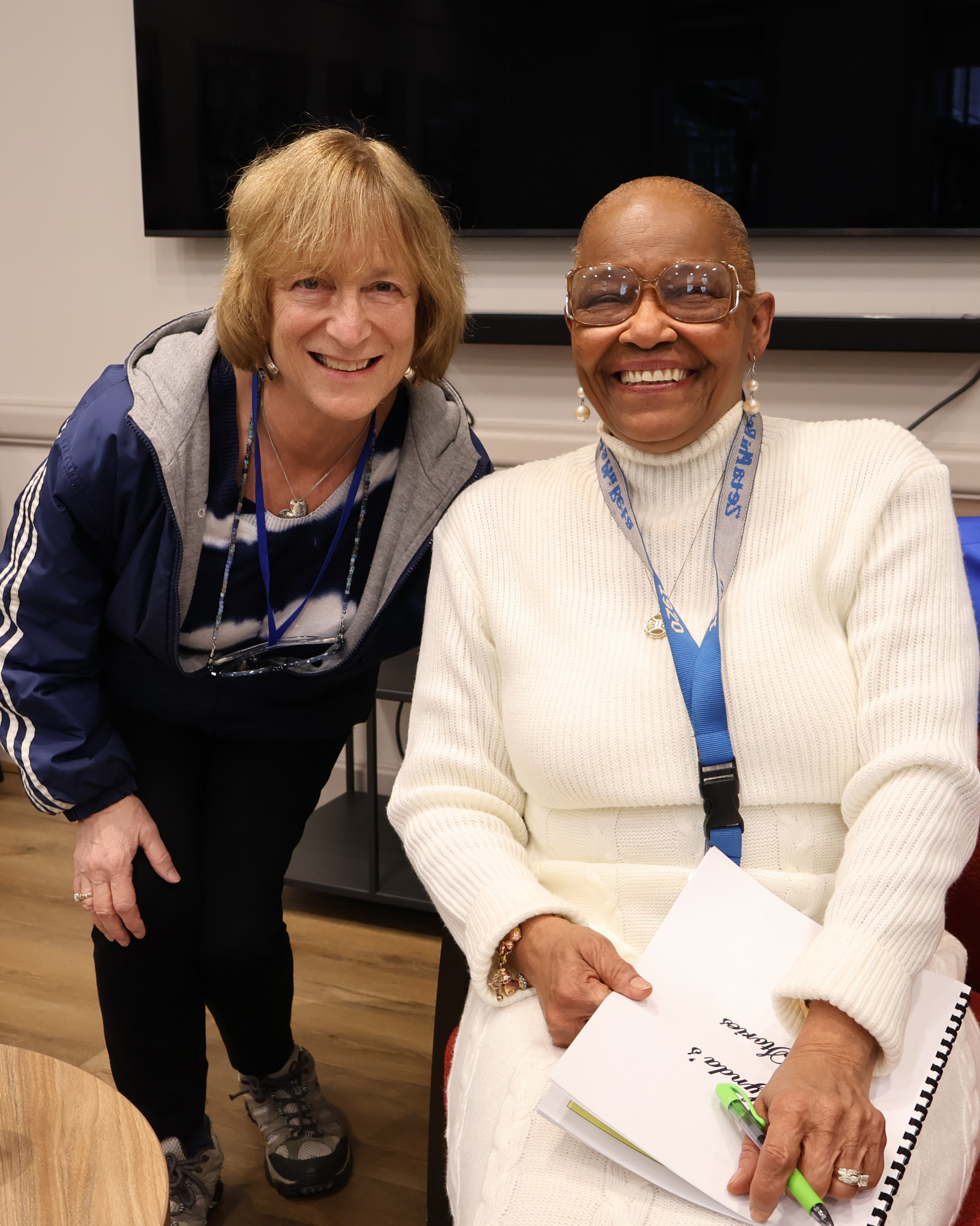
Imagine being 14 years old, the youngest person to March from Selma to Montgomery in March 1965 to gain voting rights. Now imagine having already been jailed nine times for civil rights-related activities before then. That was Lynda Blackmon Lowery. She was severely beaten on “Bloody Sunday” but returned to join the successful 5-day, 54-mile march. Still a resident of Selma, she shared her recollections with us first-hand, with the same energy and mischievousness she probably had sixty years ago. While in prison, with more than a dozen schoolchildren in a cell designed for two, another girl became quite ill. When the guards failed to respond, Lynda broke a window, started calling for help, and hoped someone outside would respond. Once the guards returned, they demanded to know who broke the window. “I did,” Lynda defiantly admitted. “What’s your name?” a guard asked. “Lynda Blackmon” she said. The guard turned to the next girl and asked her name. “Lynda Blackmon,” she said. So did the next one, and the one after that, and the one after that. “I haven’t seen that type of unity since,” Lynda told us.
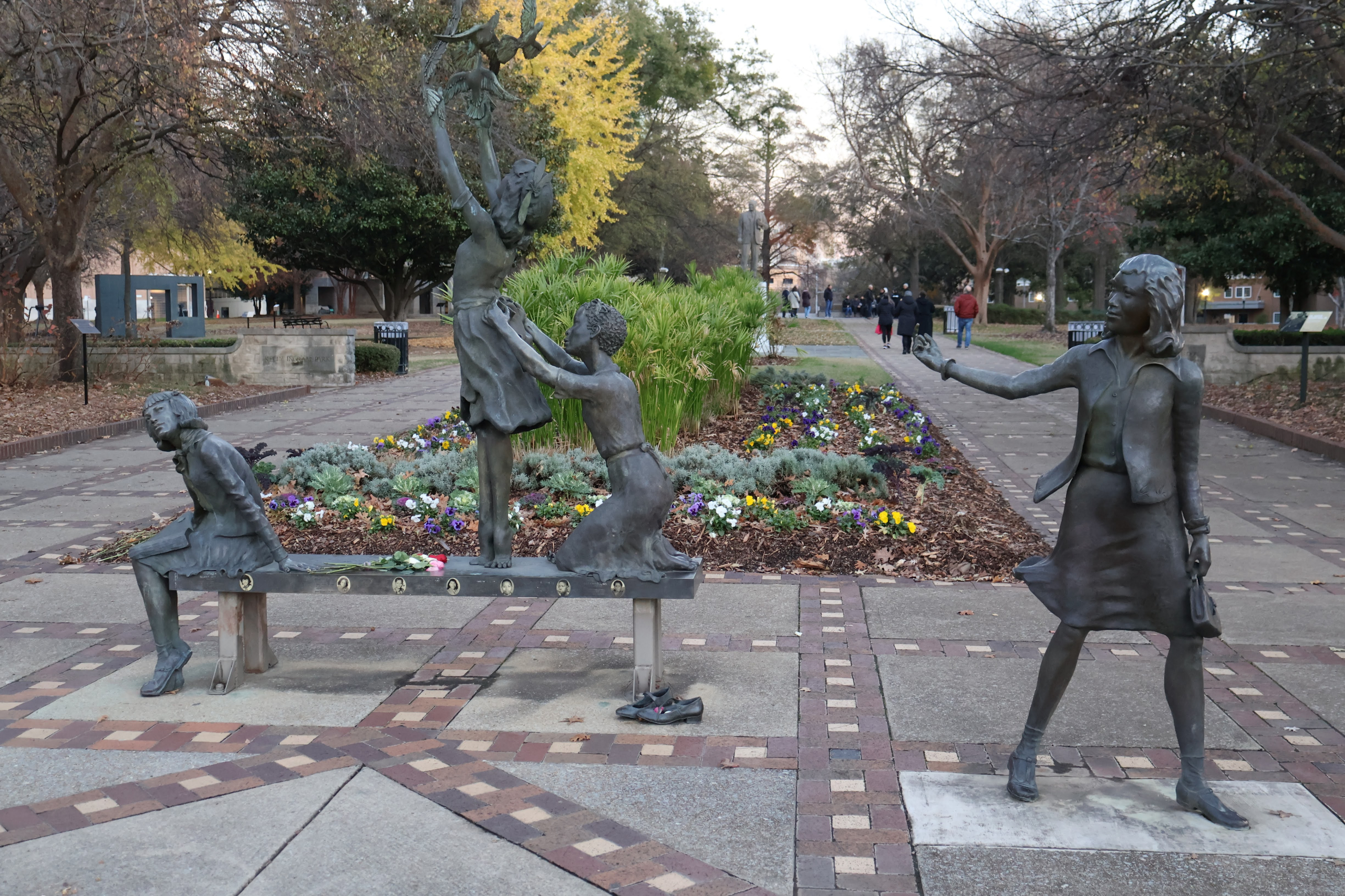
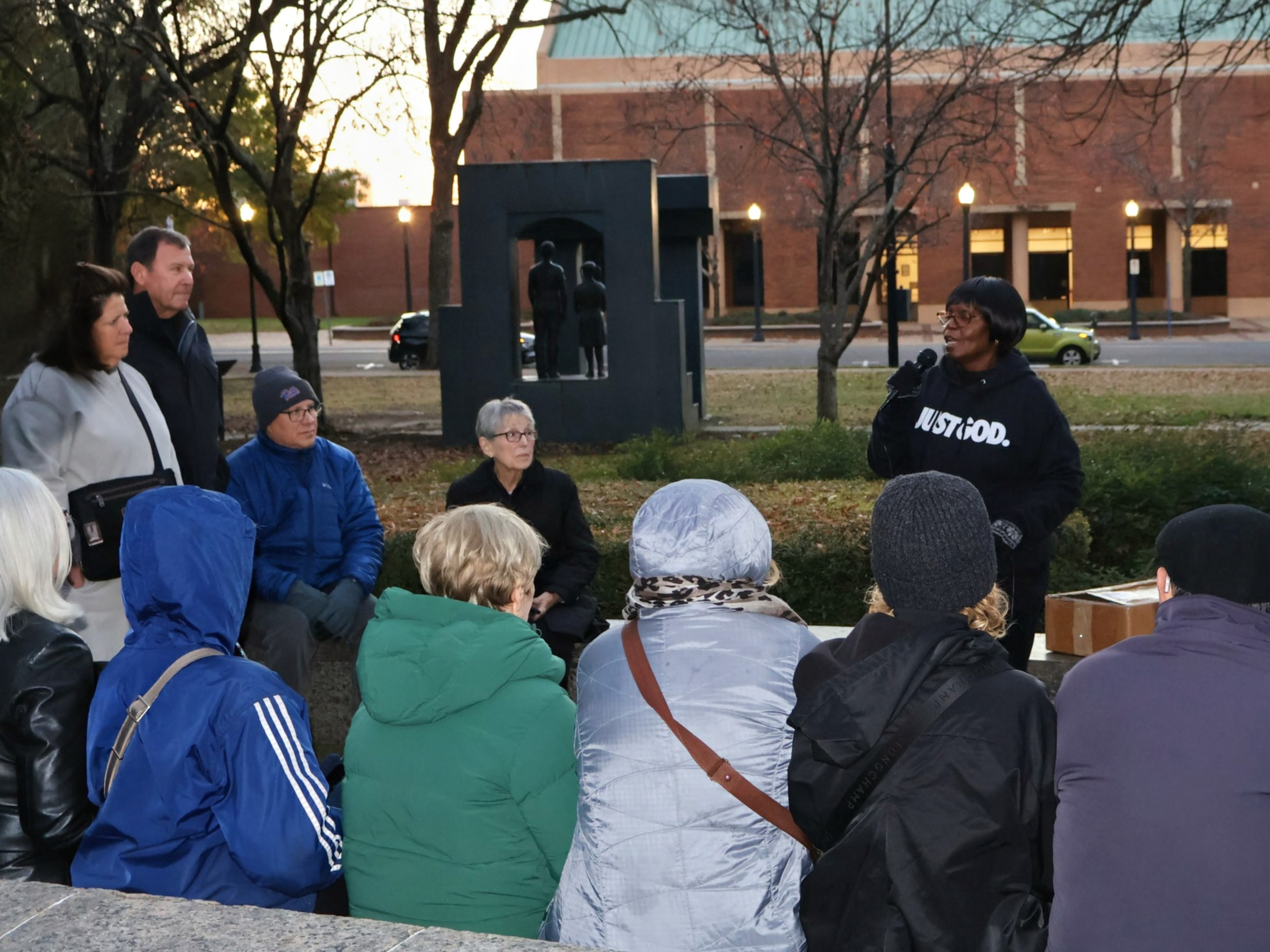
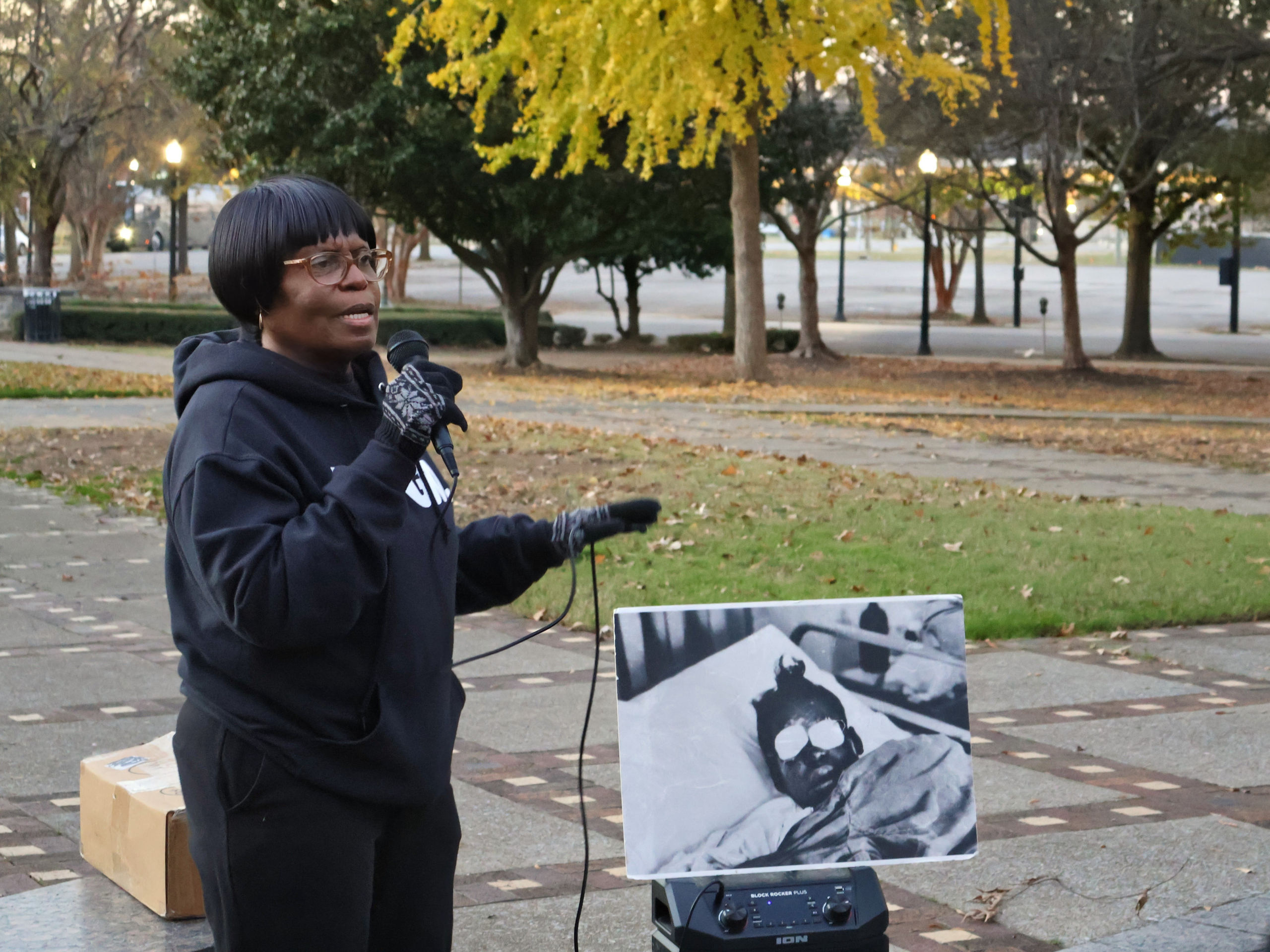
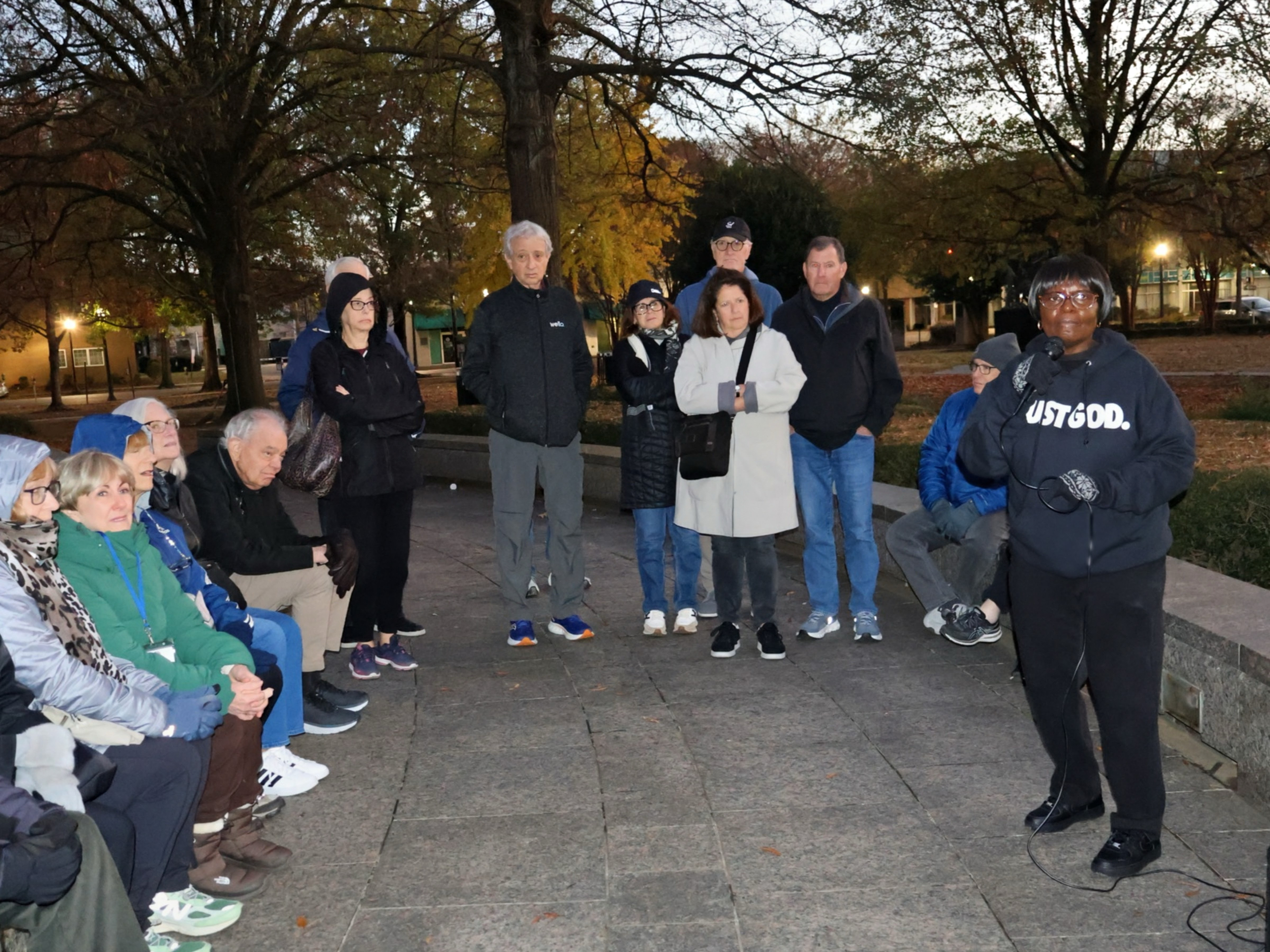
Now imagine getting ready for a special, youth-led Sunday morning service in the church bathroom with your older sister and three friends. The mood is giddy. Braids are being tied. Shoes are being laced. Then your world shatters, as a bomb placed by the KKK rips through the corner of the Sixteenth Street Baptist Church in Birmingham on September 15, 1963. As the dust settles, adult church members rush in, finding you the only one still alive. But you can’t see, having received a face full of glass during the explosion. Standing in the city park next to the church, where Police Chief Bull Connor had ordered fire hose and dog attacks on protesting children in the mid-1960s, Sarah Collins Rudolph, the “fifth girl” and “soul survivor” of that notorious event recalled the bombing in vivid detail, as well as her months-long hospitalization, multiple eye surgeries, and a lifetime of medical bills that followed. More than ten years later, when the first of the four perpetrators was brought to trial in 1977, she relived the trauma through hours of testifying. To this day, she has received no compensation for her injuries, or financial assistance for decades of resulting medical treatment.
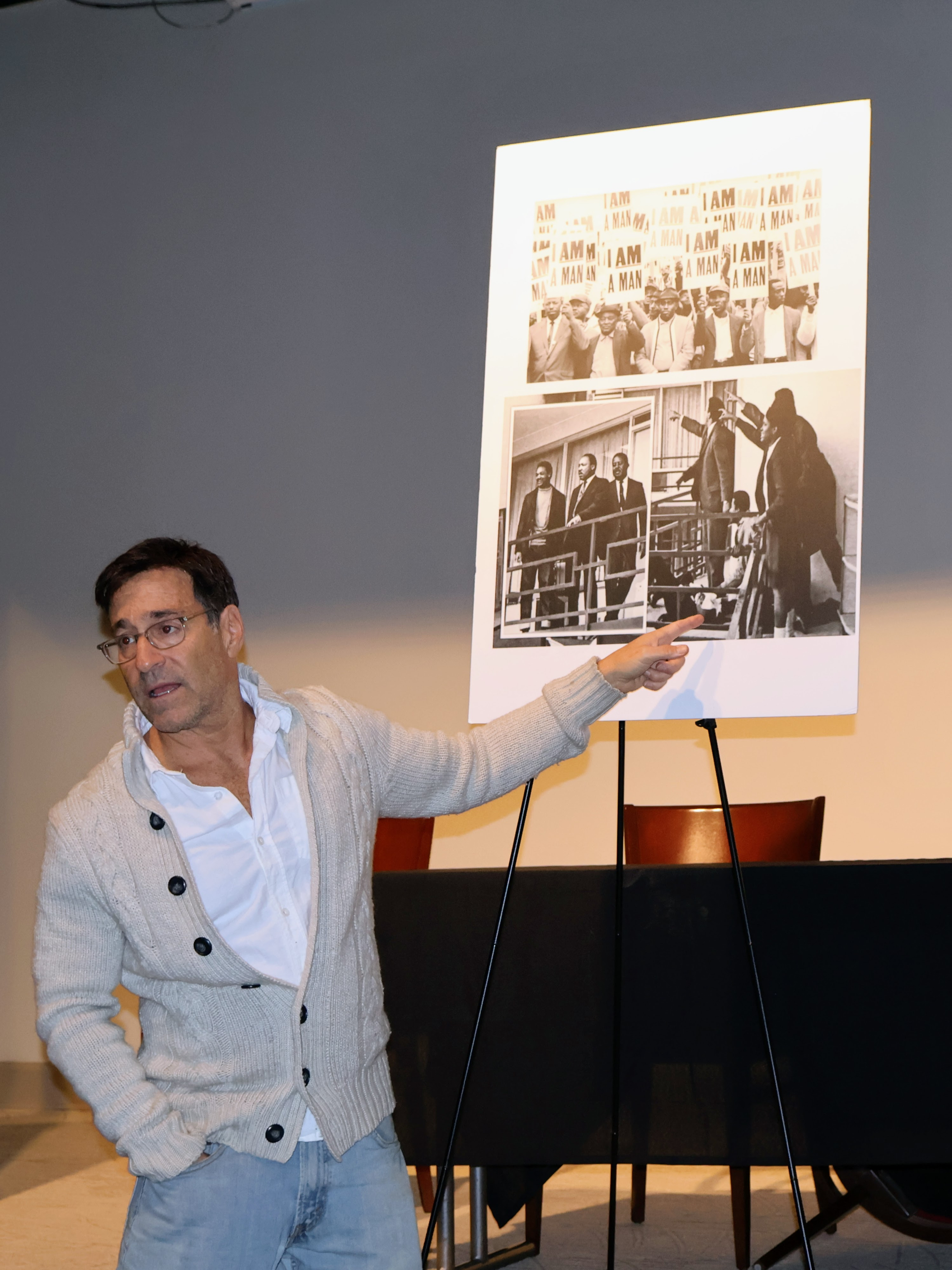
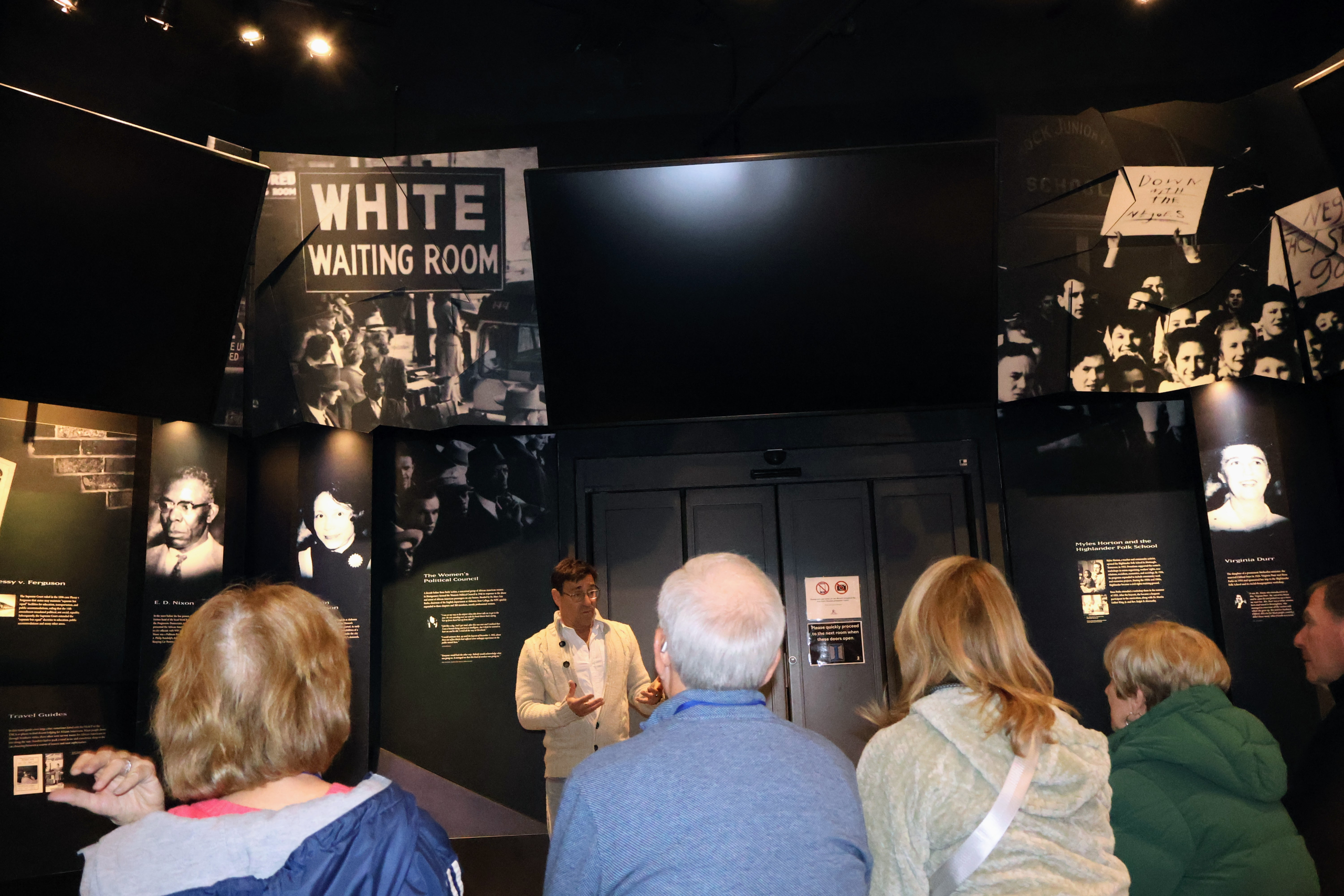
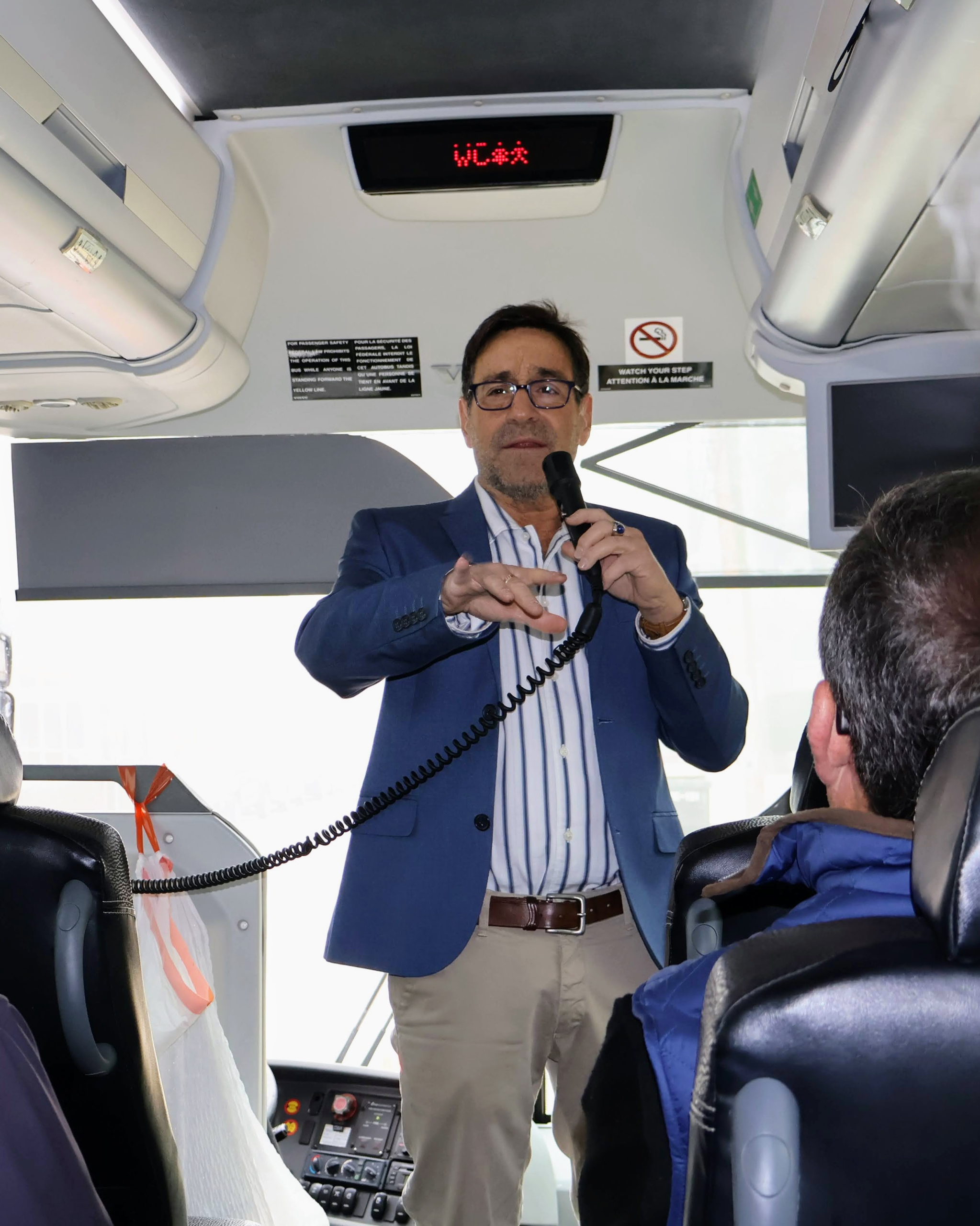
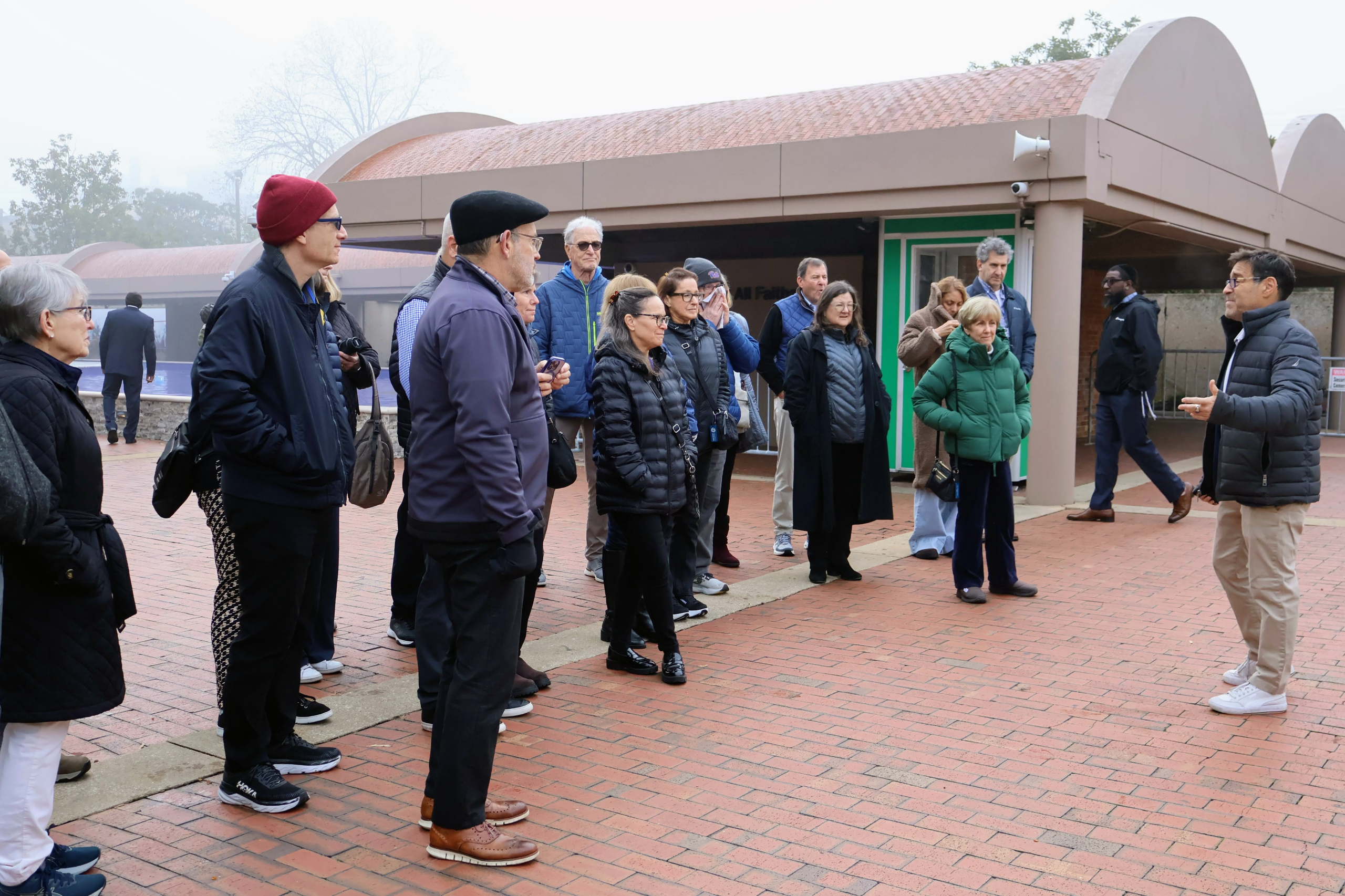
How did we get a chance to speak with these remarkable women, who experienced first-hand the civil rights abuses that have characterized so much of our country’s past? With the expert guidance of our Etgar 36 tour guide, Scott Fried. Scott, a left-handed gay Jewish man who has been living with HIV since 1987, understands firsthand what it means to be marginalized. Scott is a Colby College Professor, author of four books for teens and their parents, and the inspiration for one of the characters in the 1990s hit musical Rent. Having led this tour more than 60 times, he also knows more about the civil rights era than anyone I have ever met. He told us how Harry Belafonte connected civil rights activists to Nelson Rockefeller, who personally met an MLK associate on a Saturday morning at the front door of his Manhattan bank to deliver thousands of dollars to bail out hundreds of demonstrators during the Children’s Crusade in Birmingham. Scott conveyed the details as if he had been there himself. He seems to know everyone, and to treat them with love, respect, and compassion. When we walked into Panera to pick up box lunches on Saturday, the three women behind the counter ran over to us. “Scotty!” they yelled, each hugging him tightly.
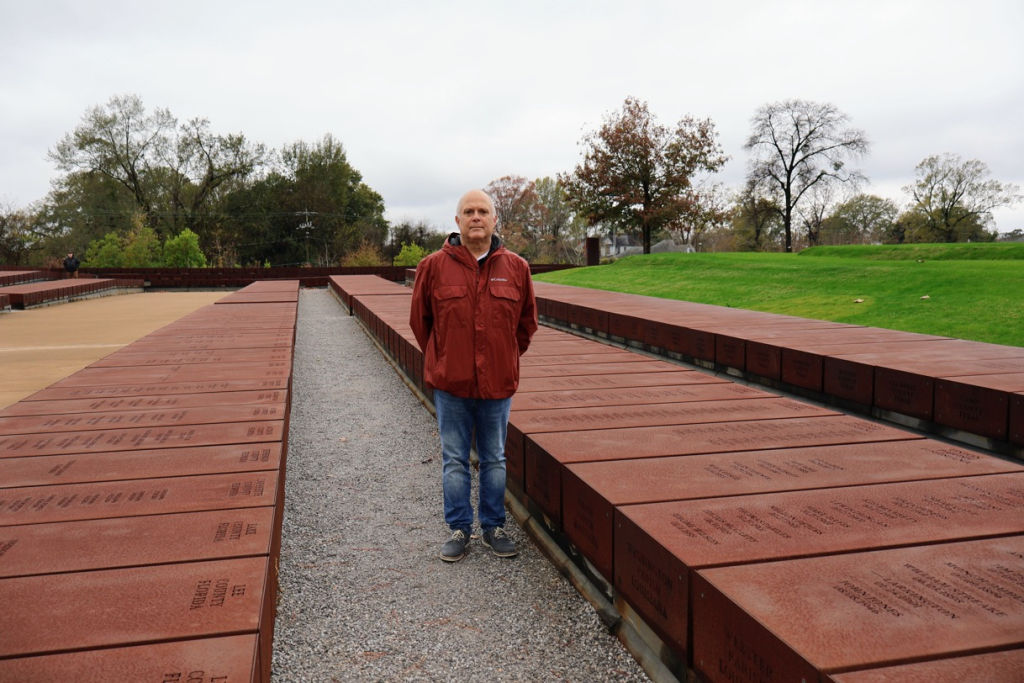
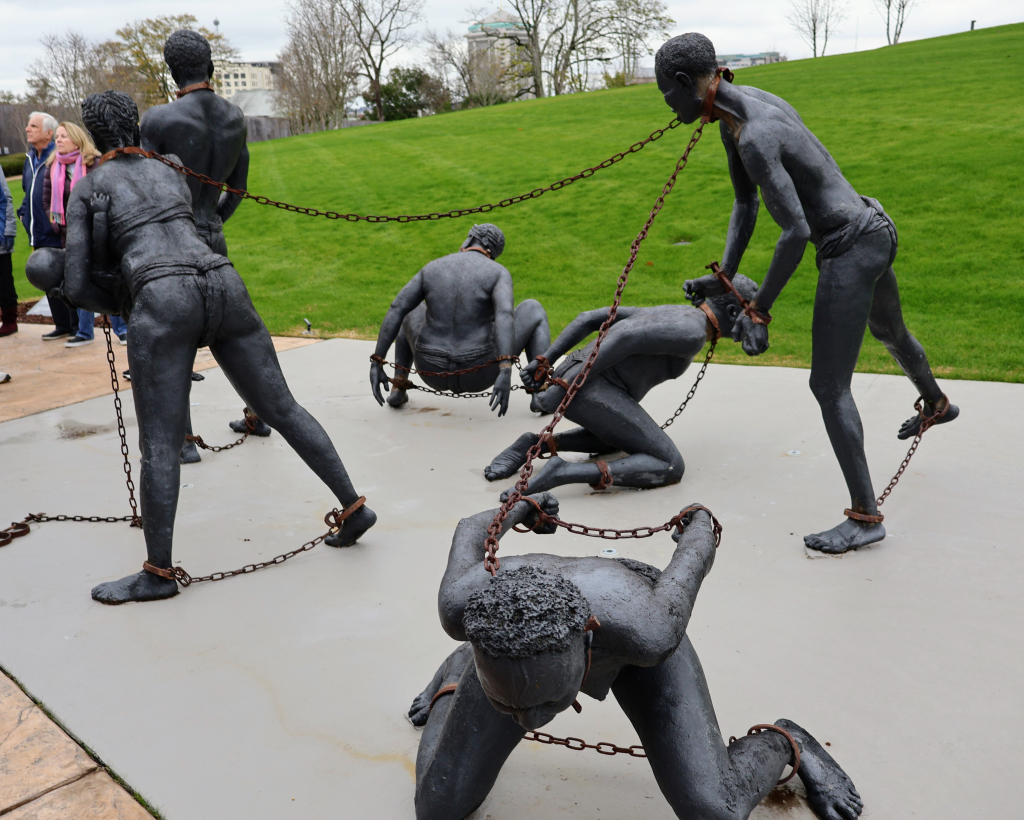
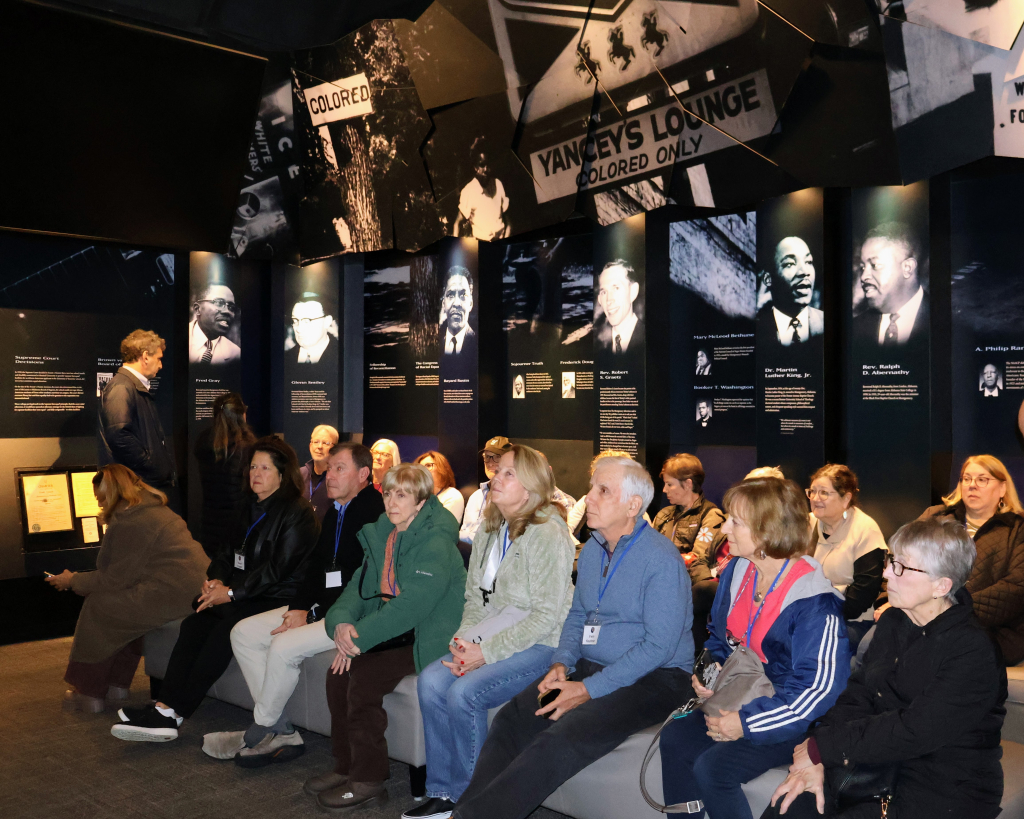
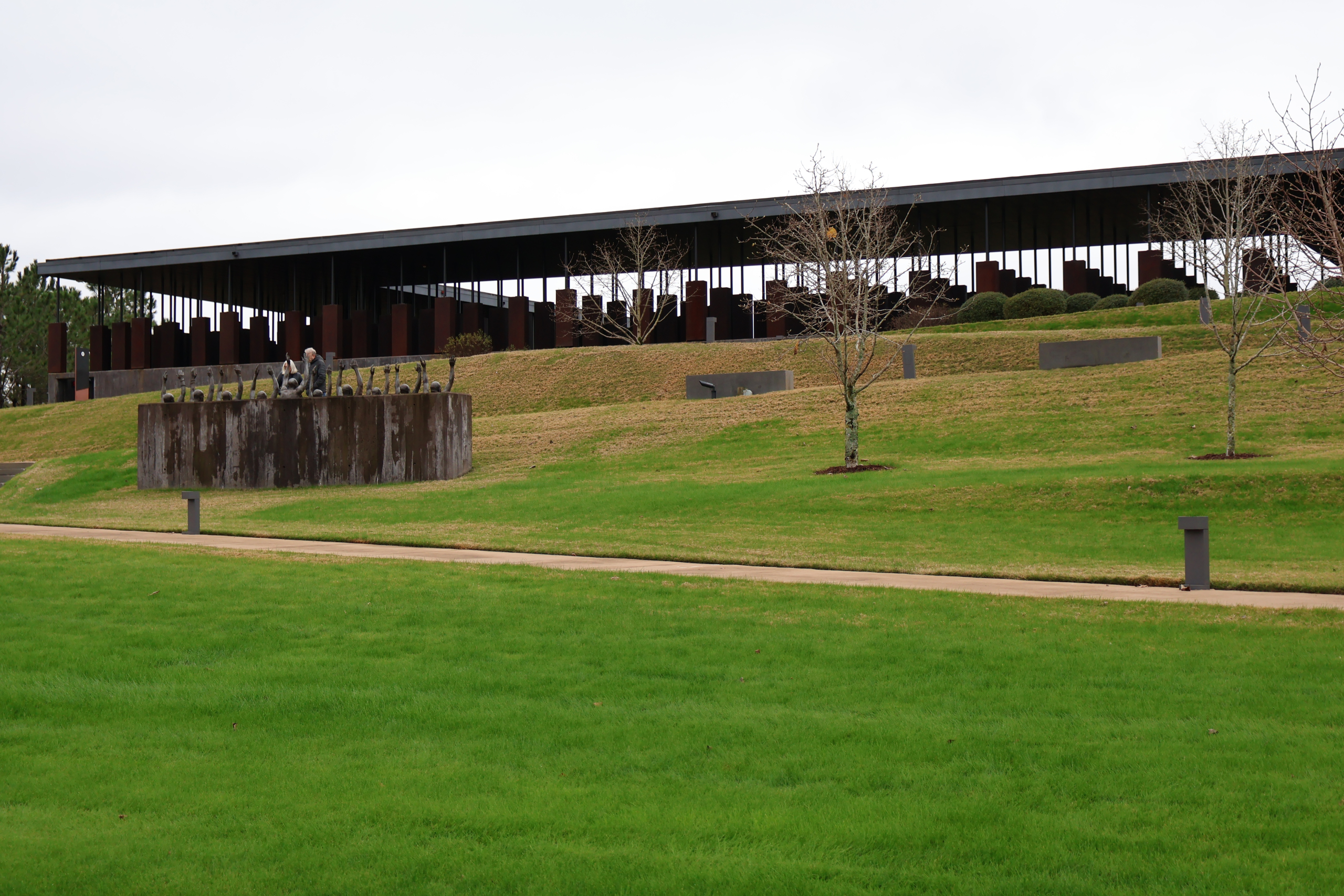
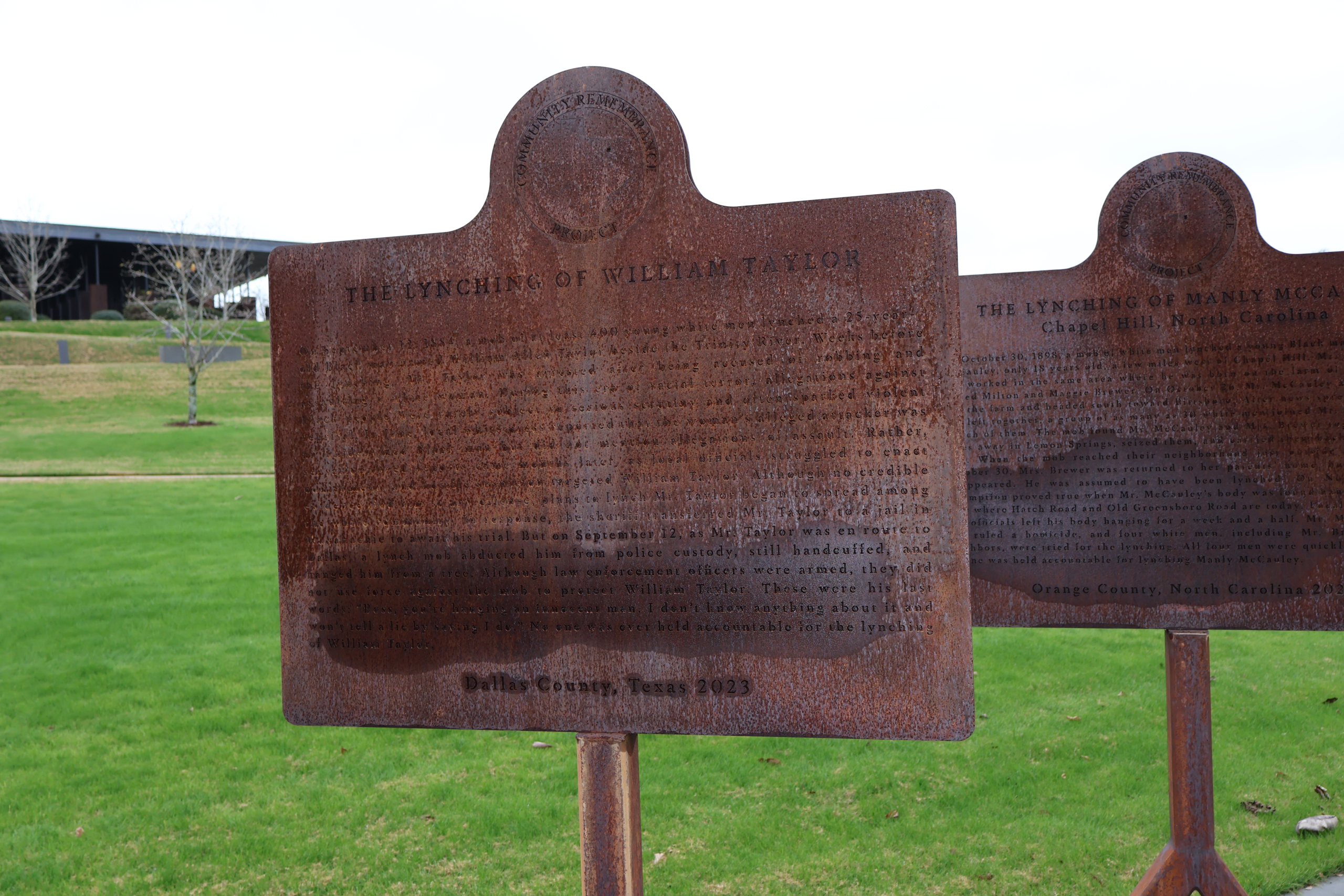
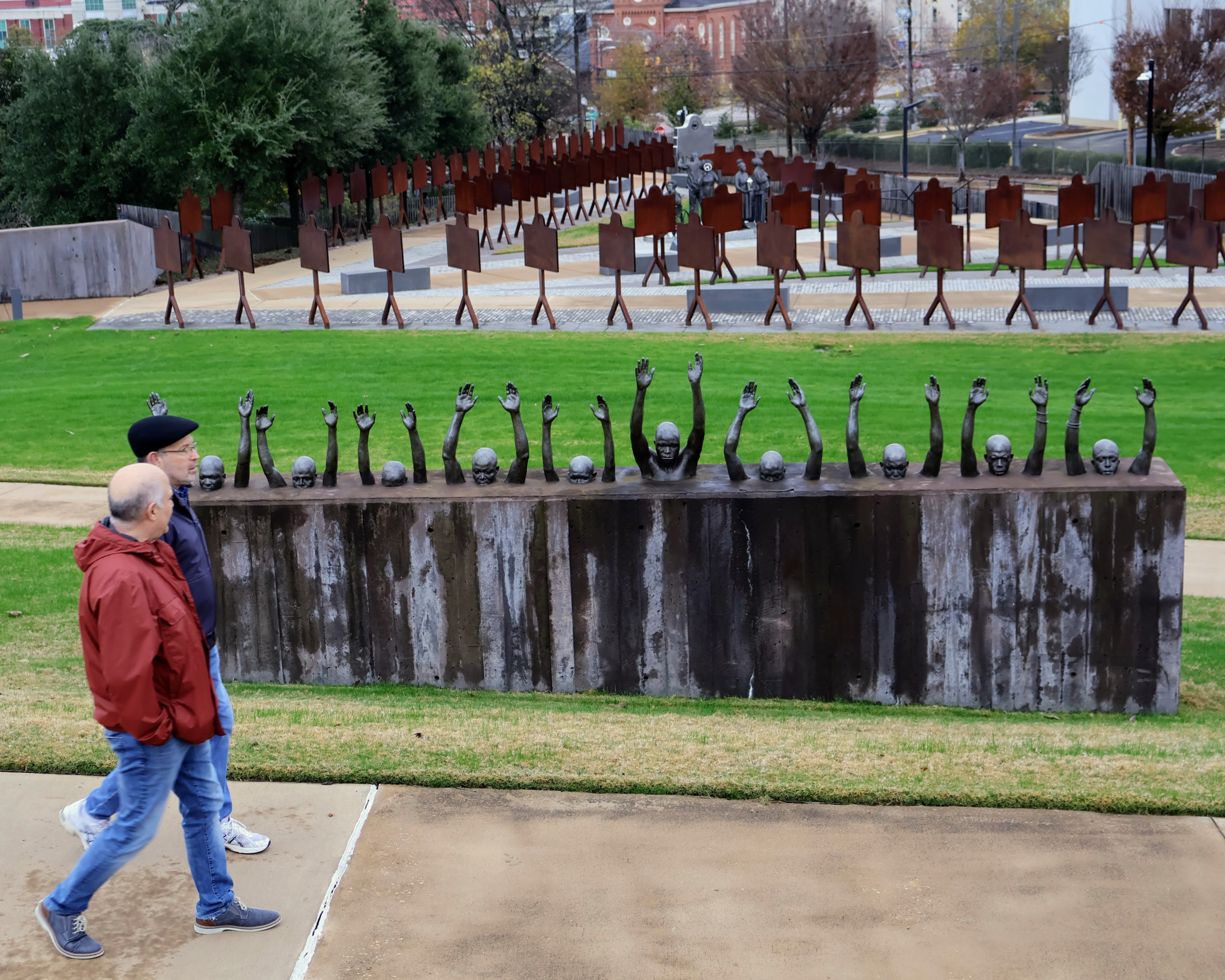
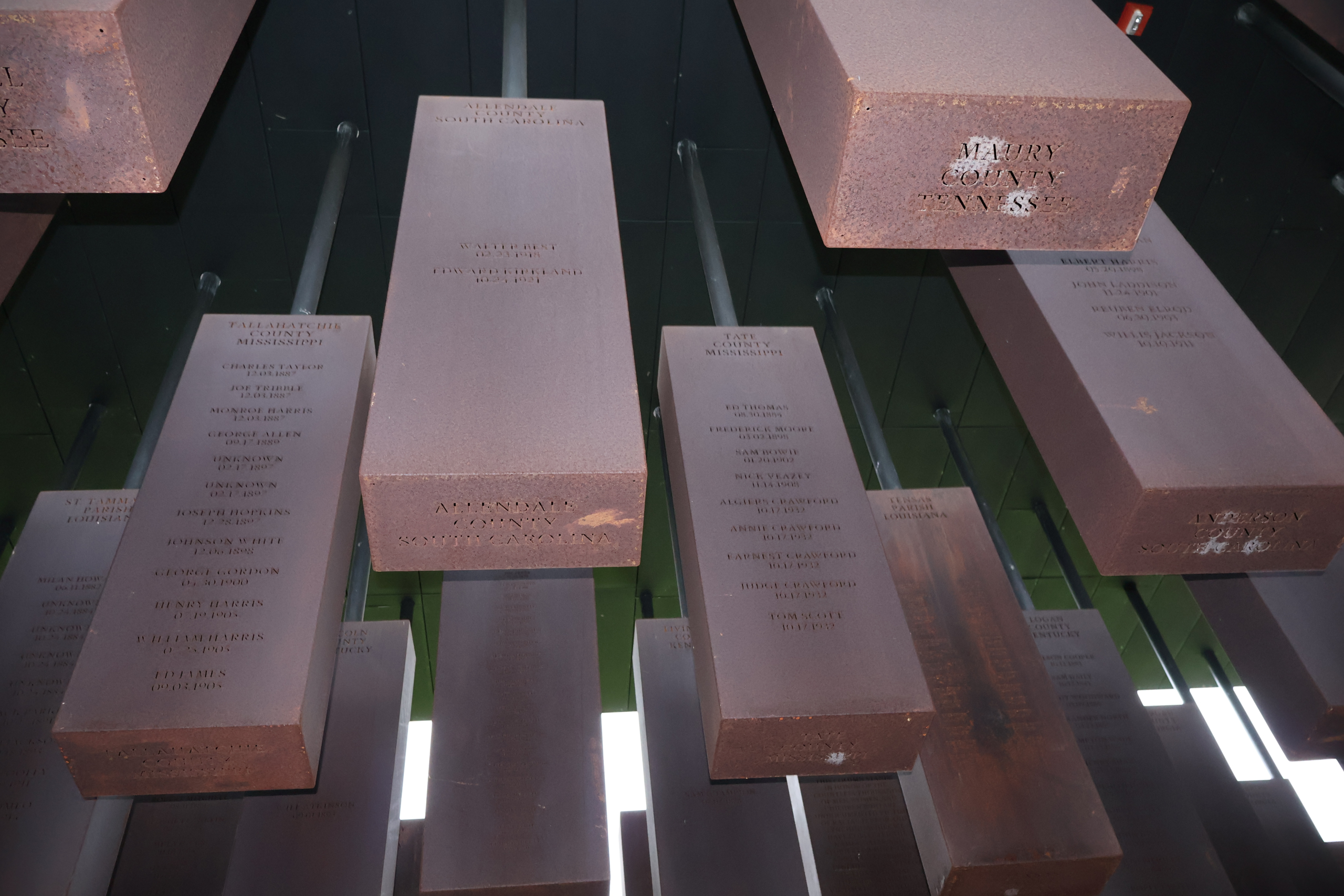
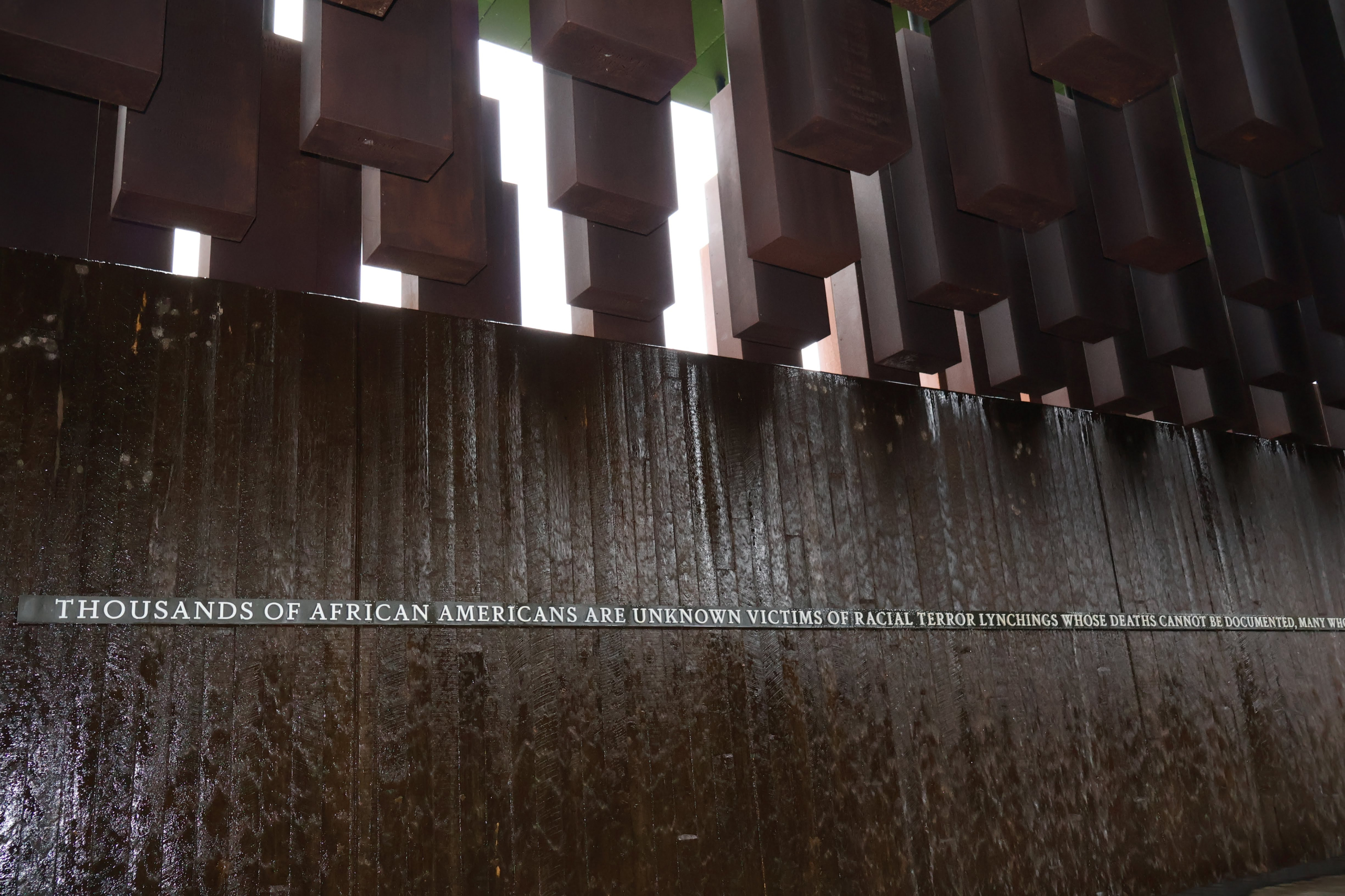
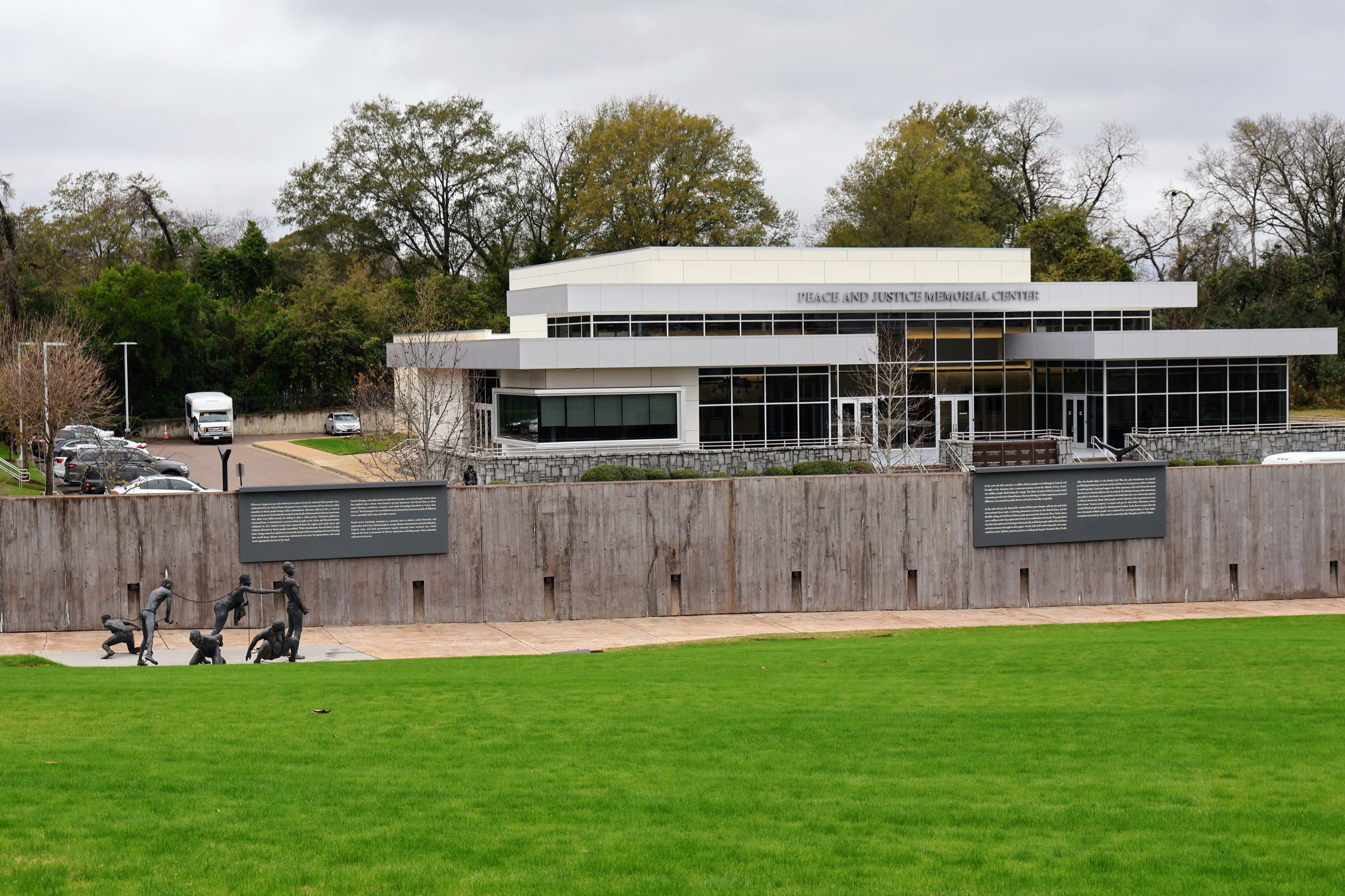
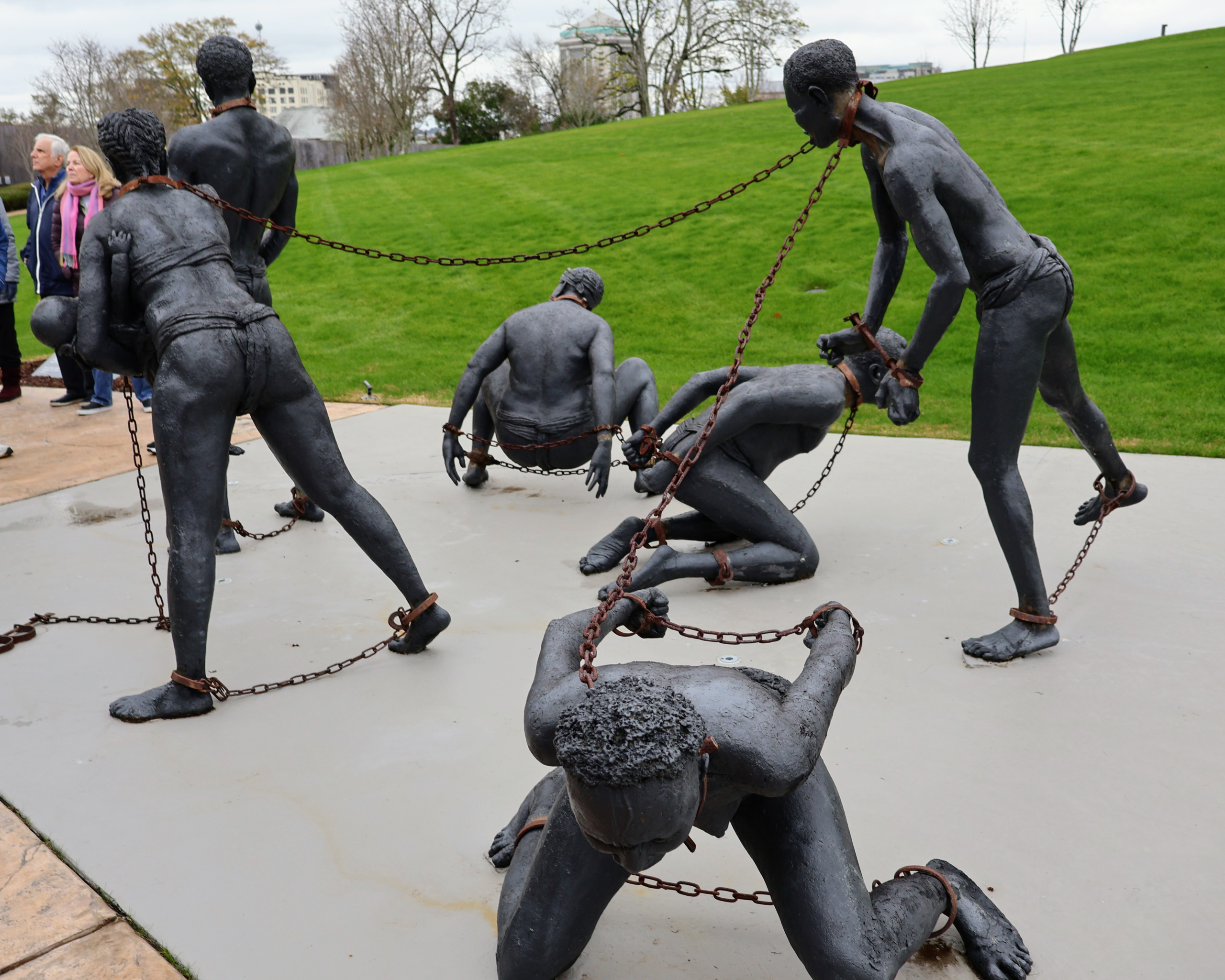
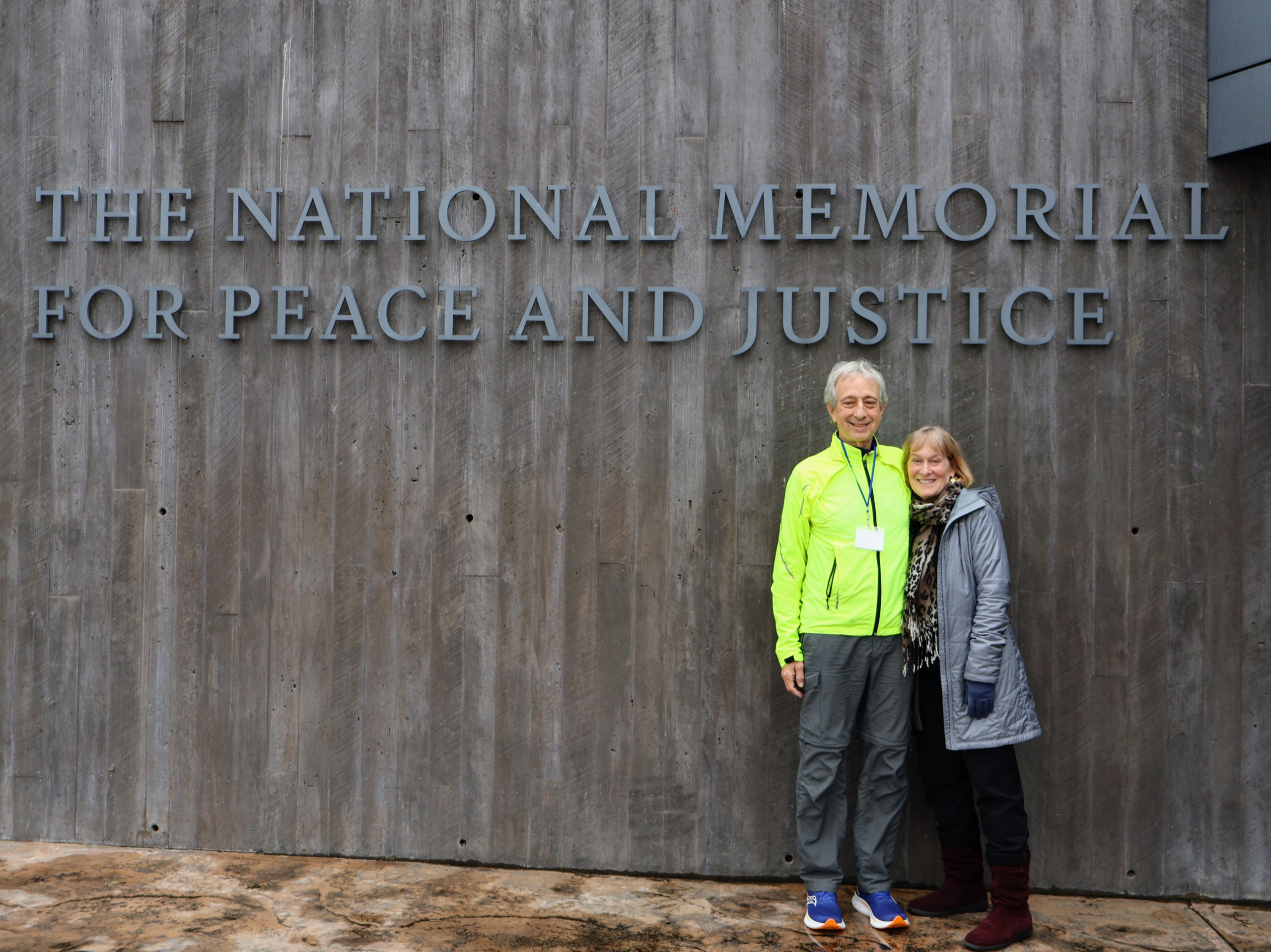
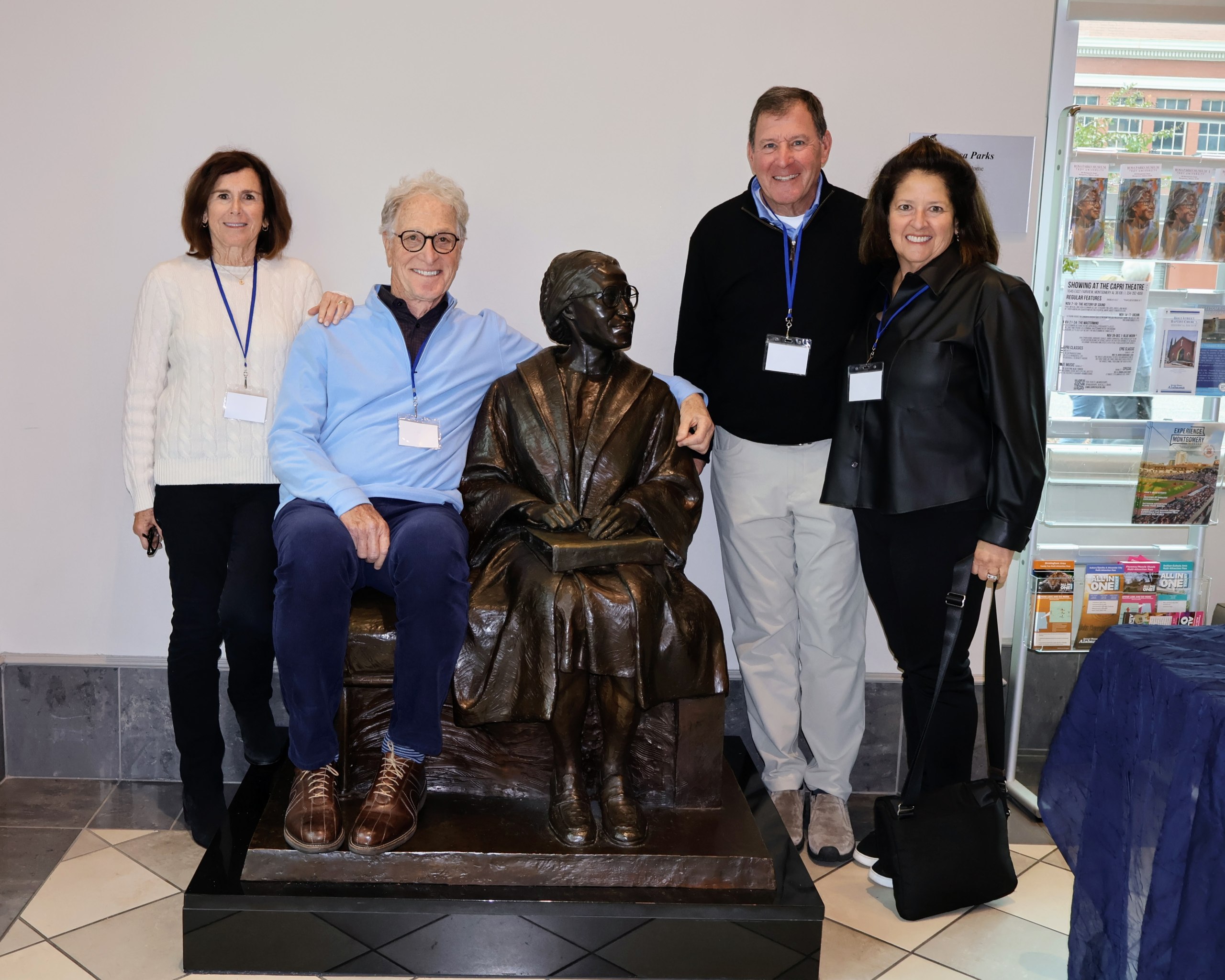
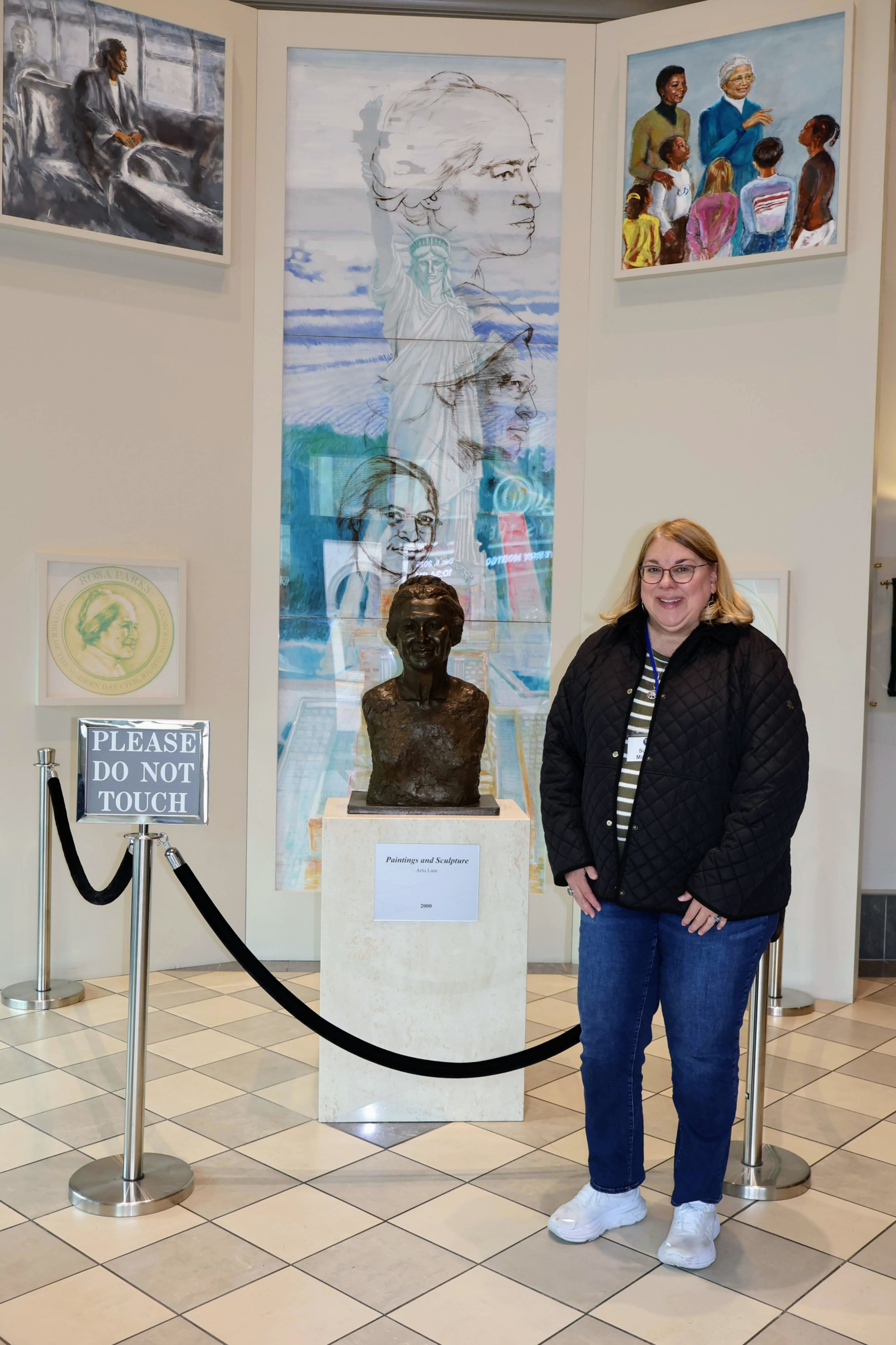
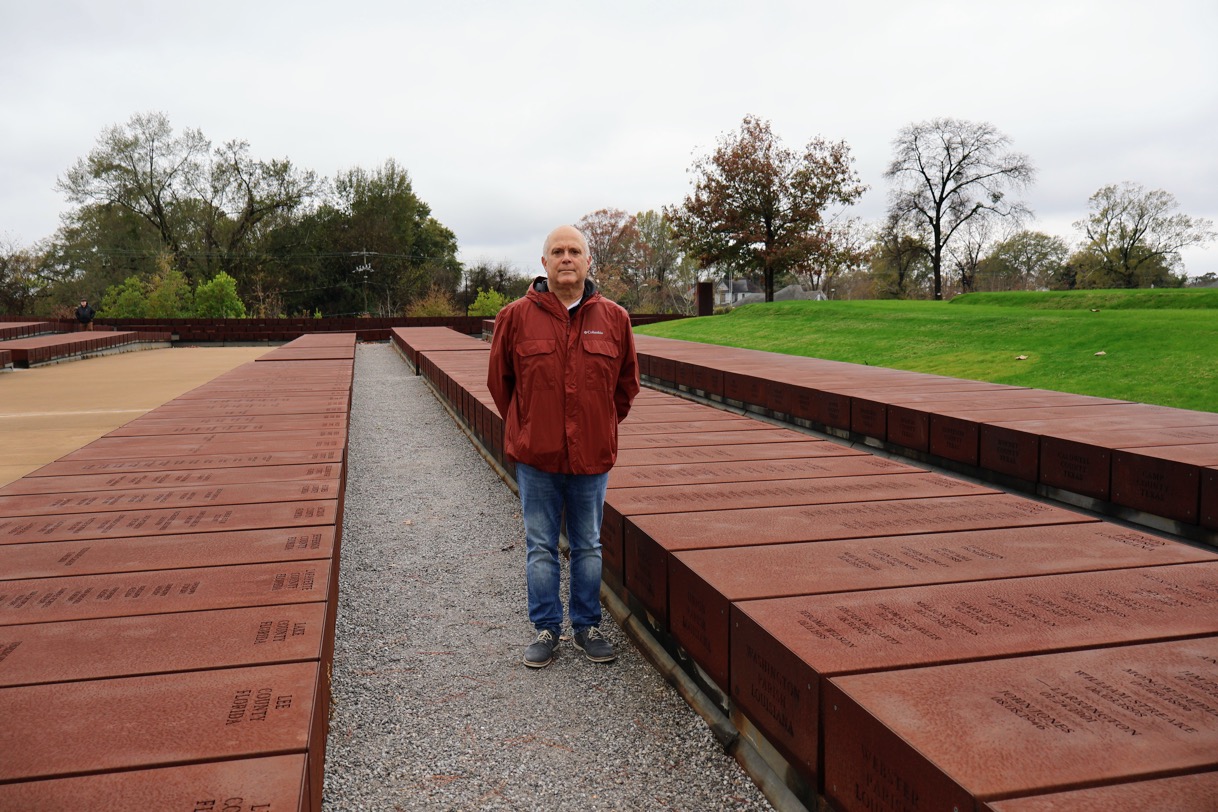
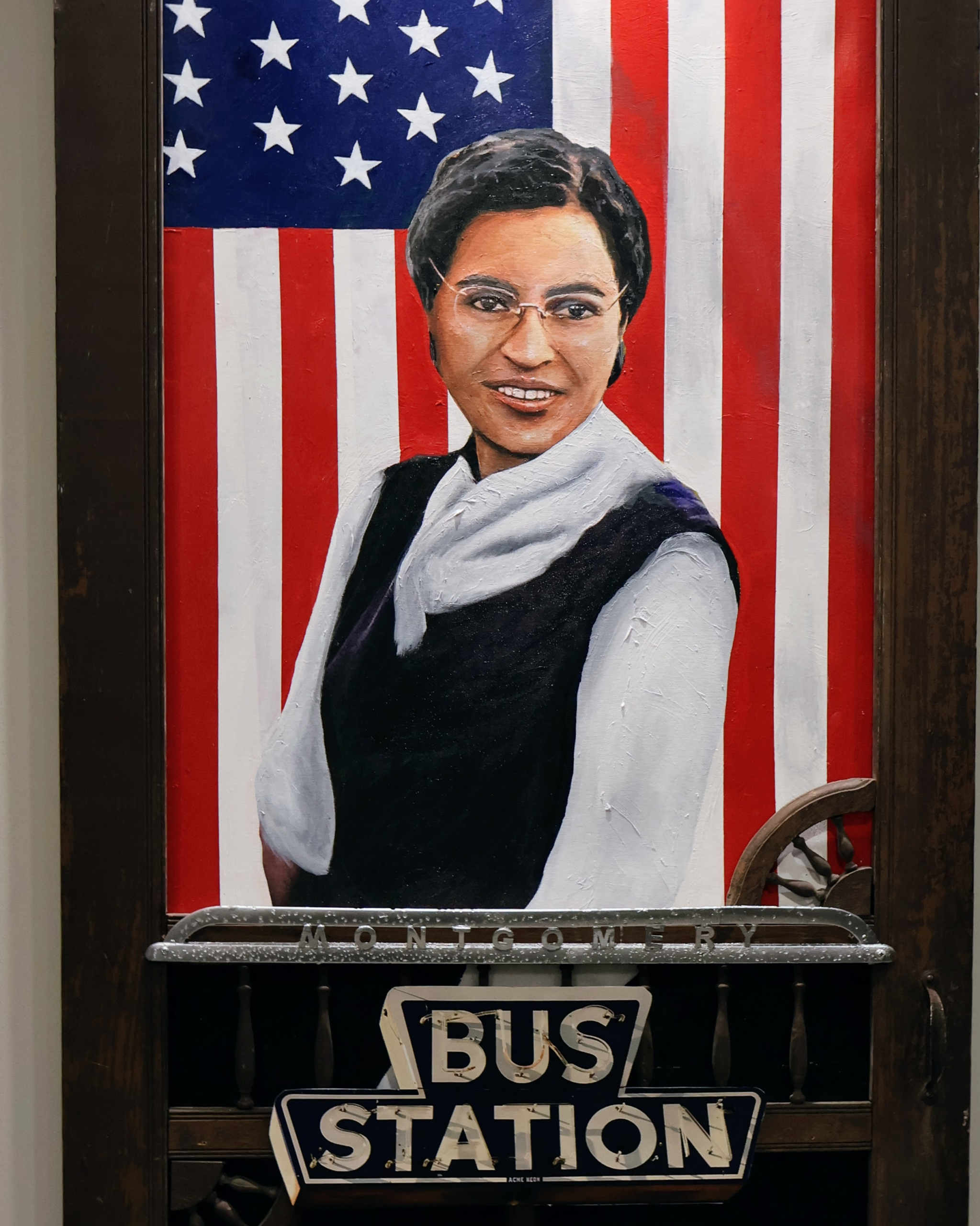
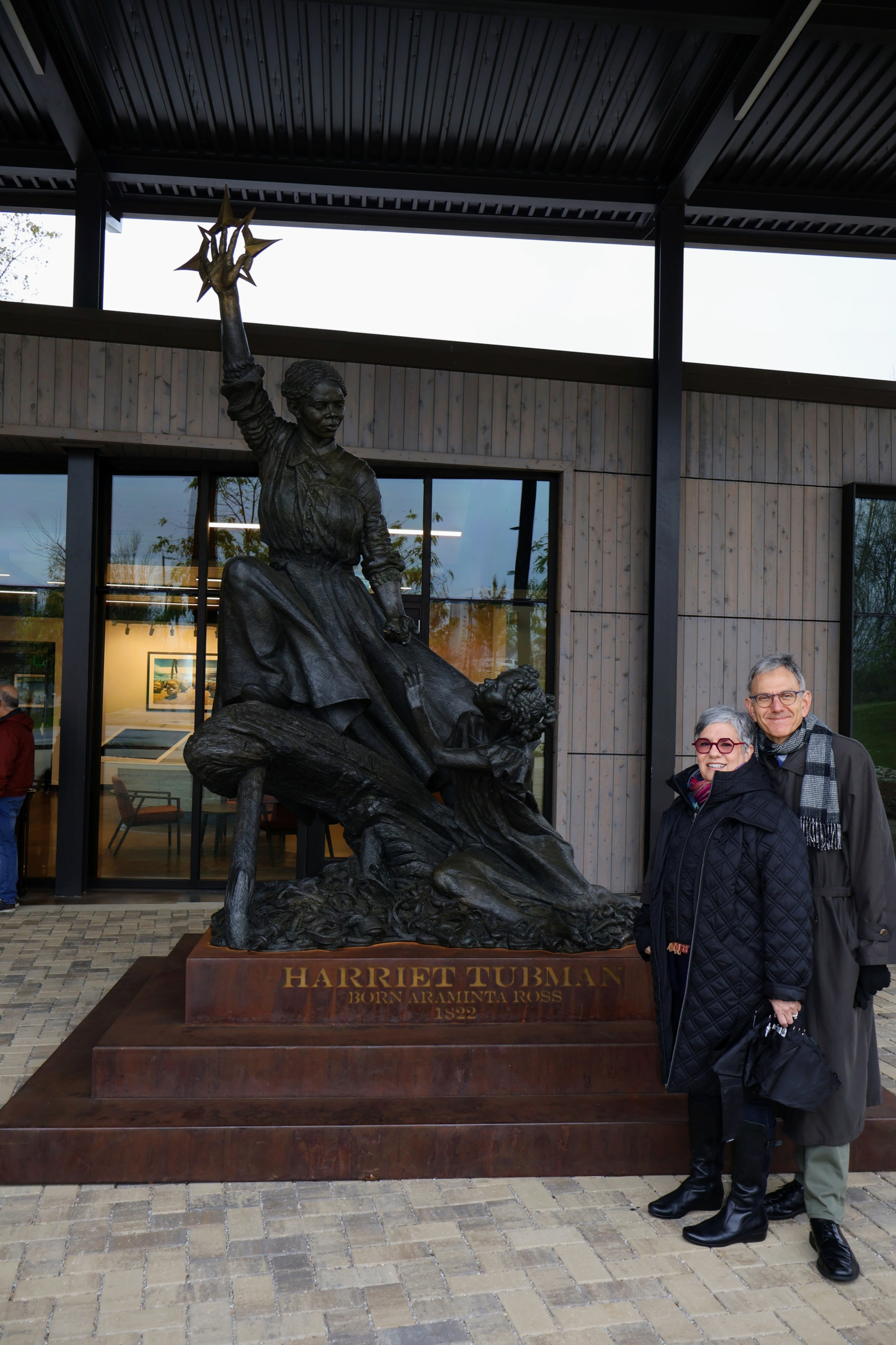
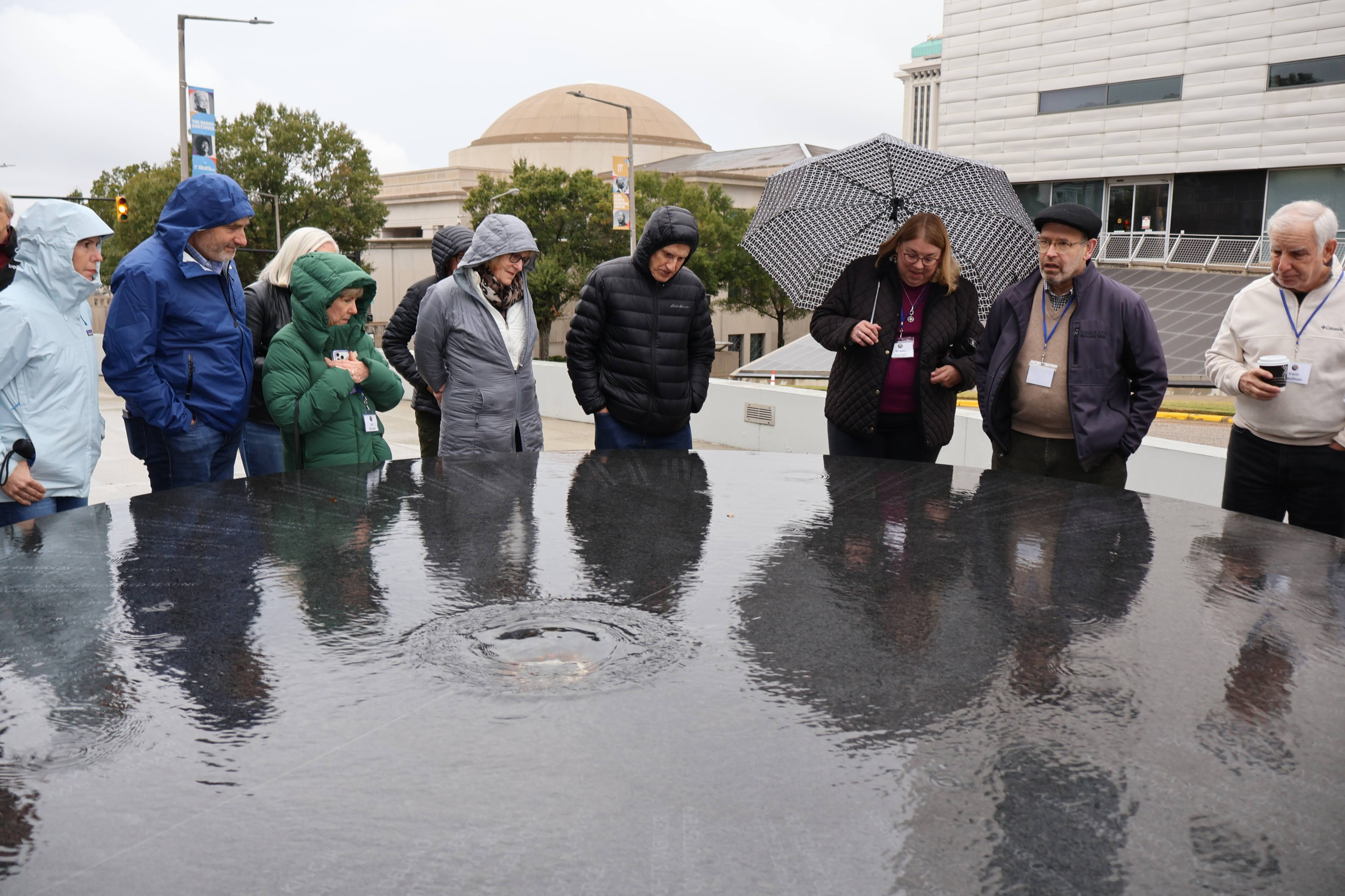
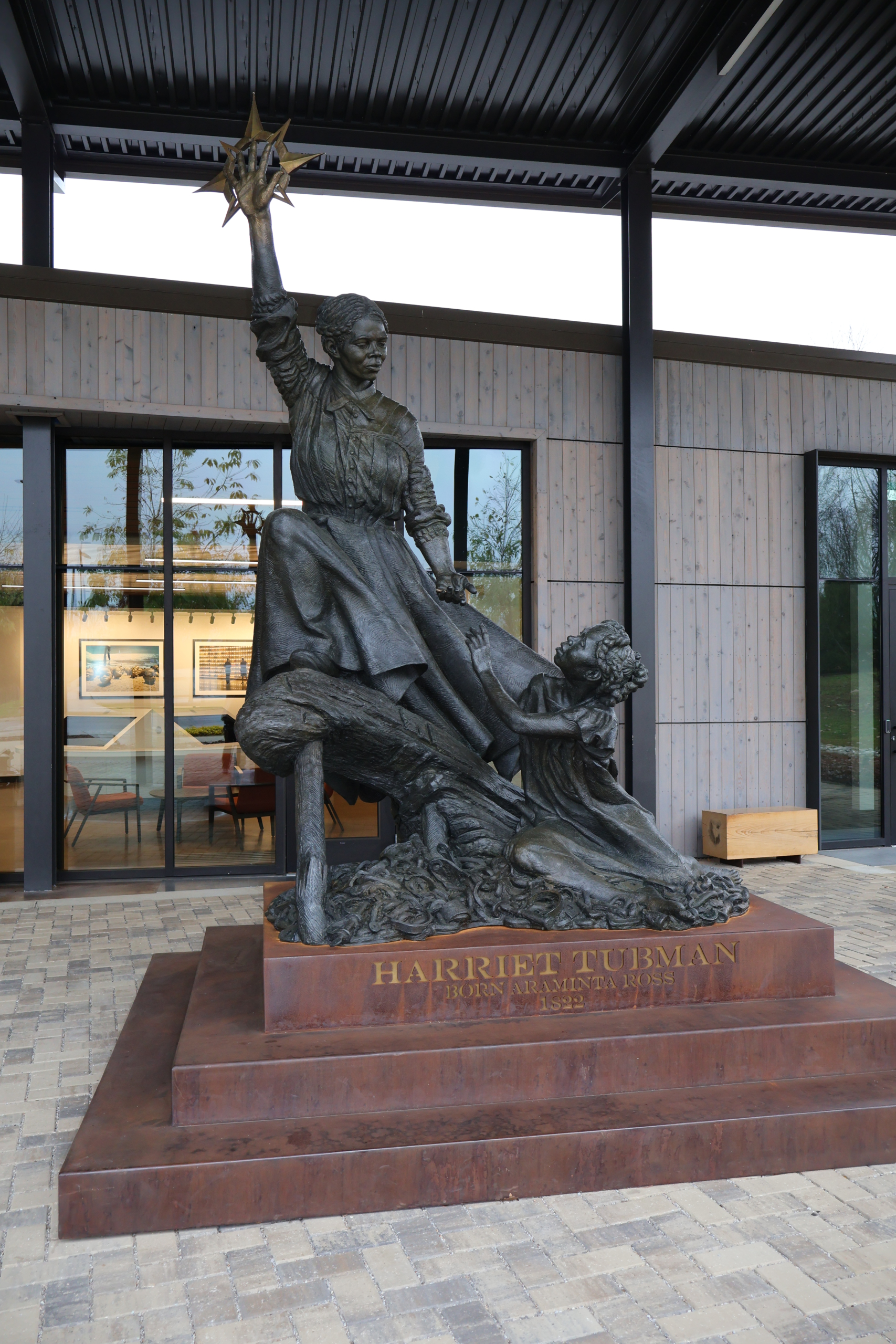
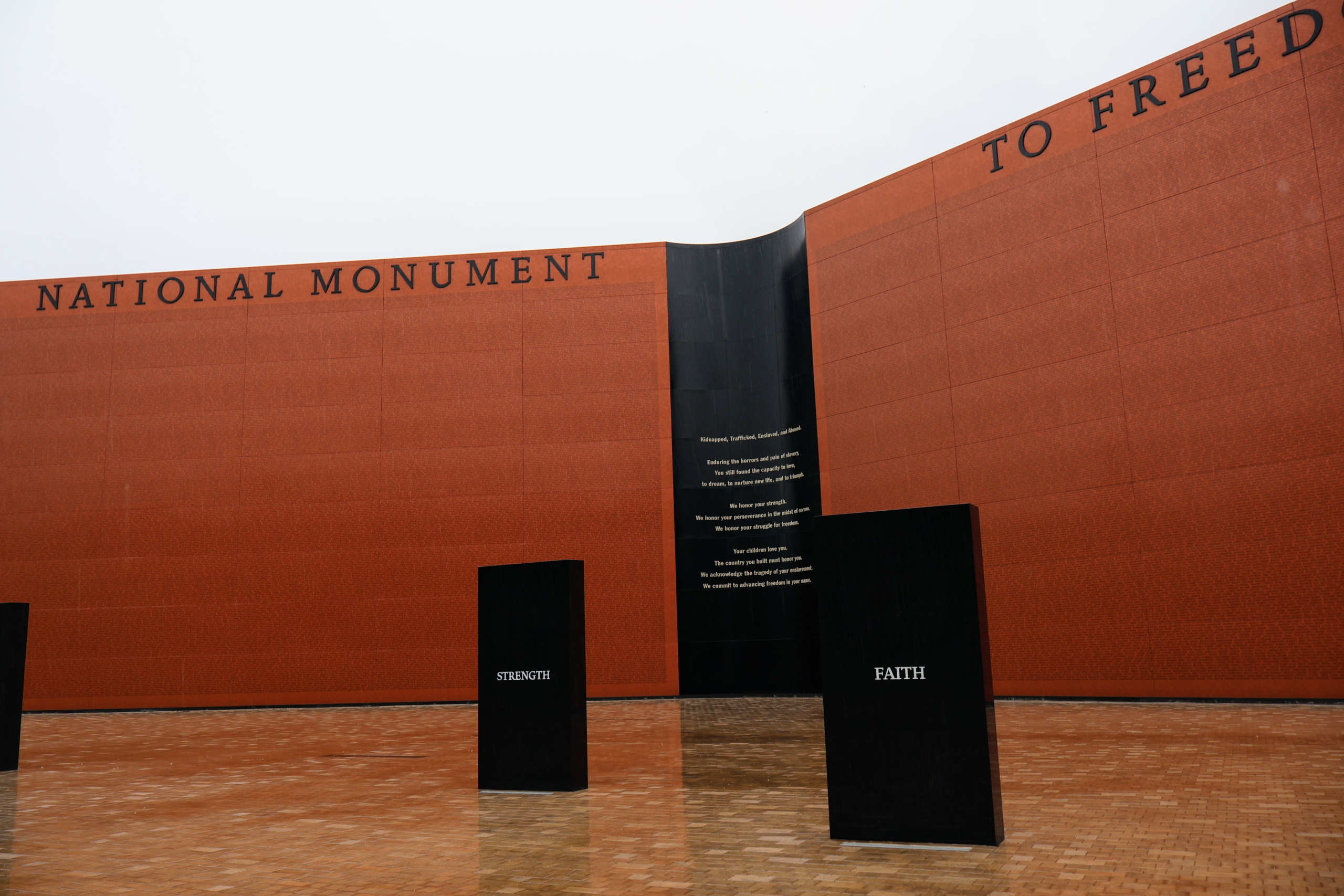
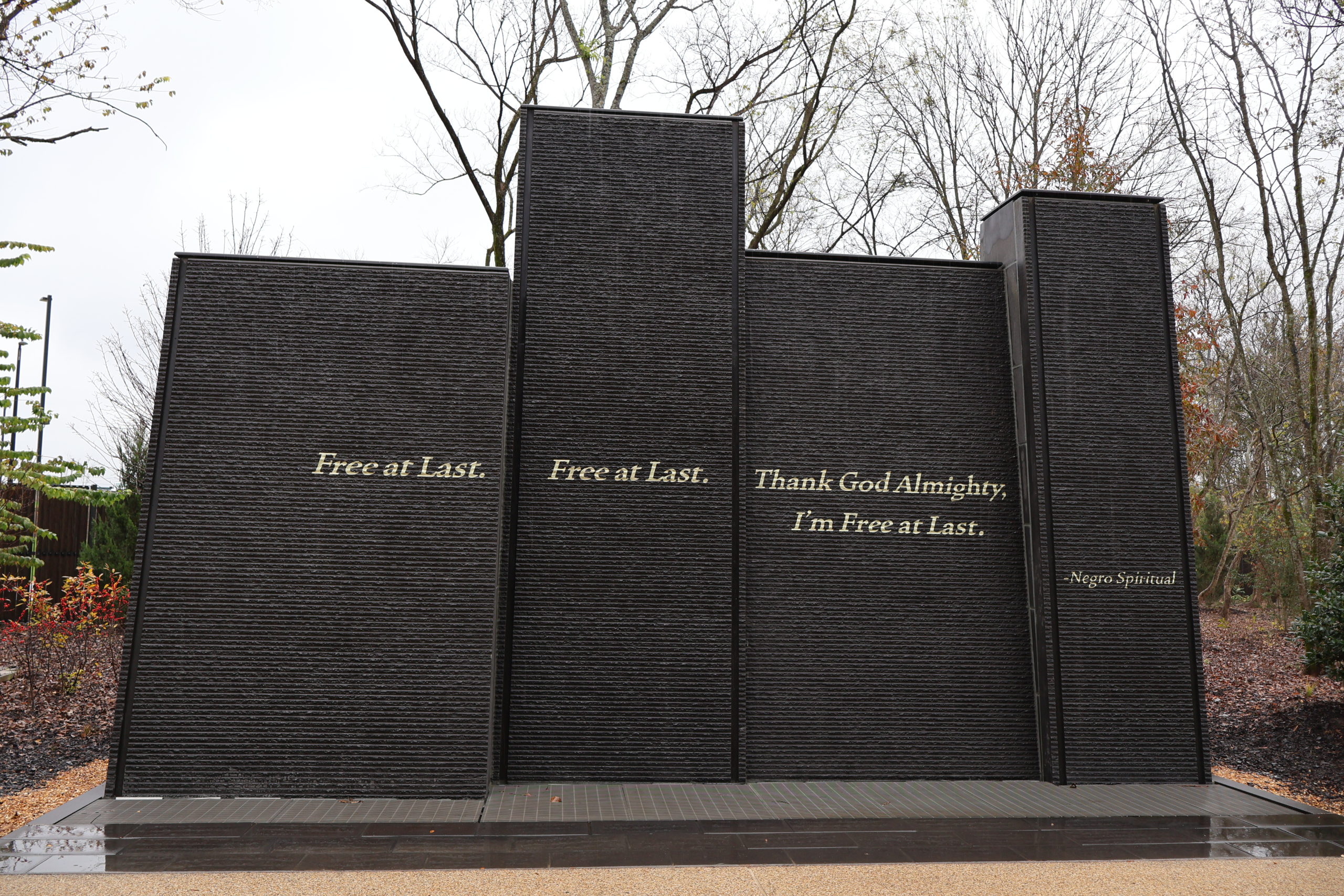
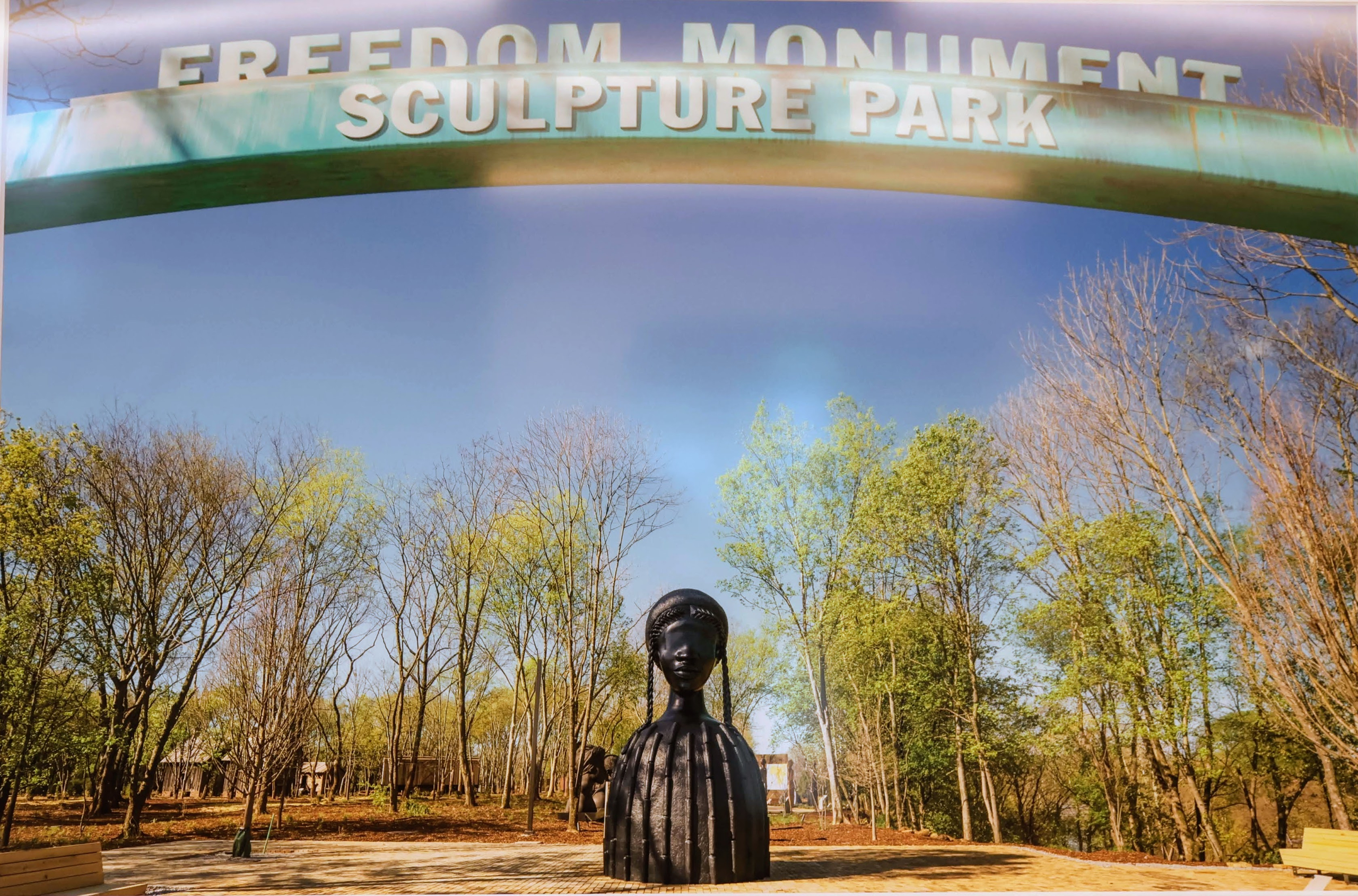
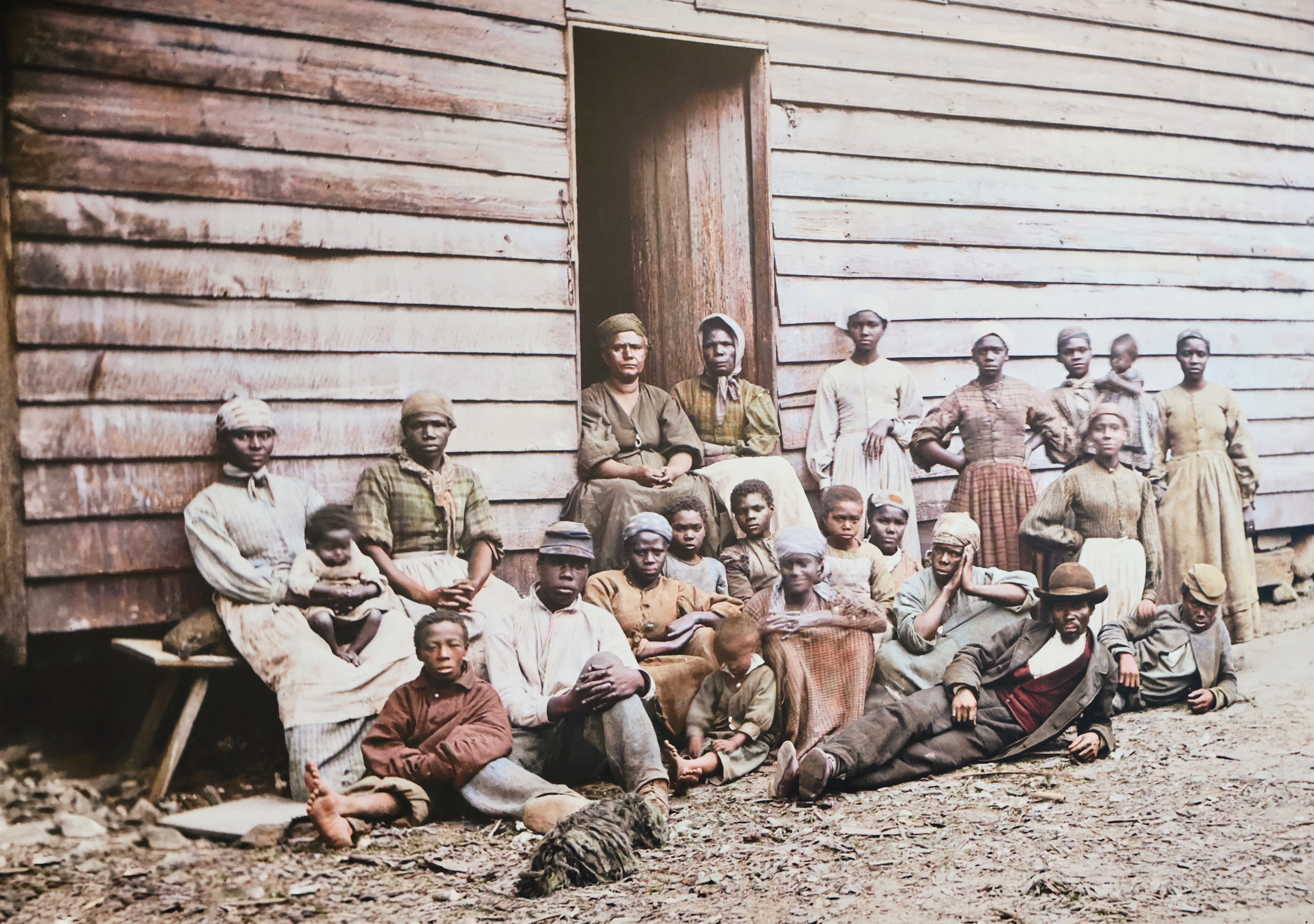
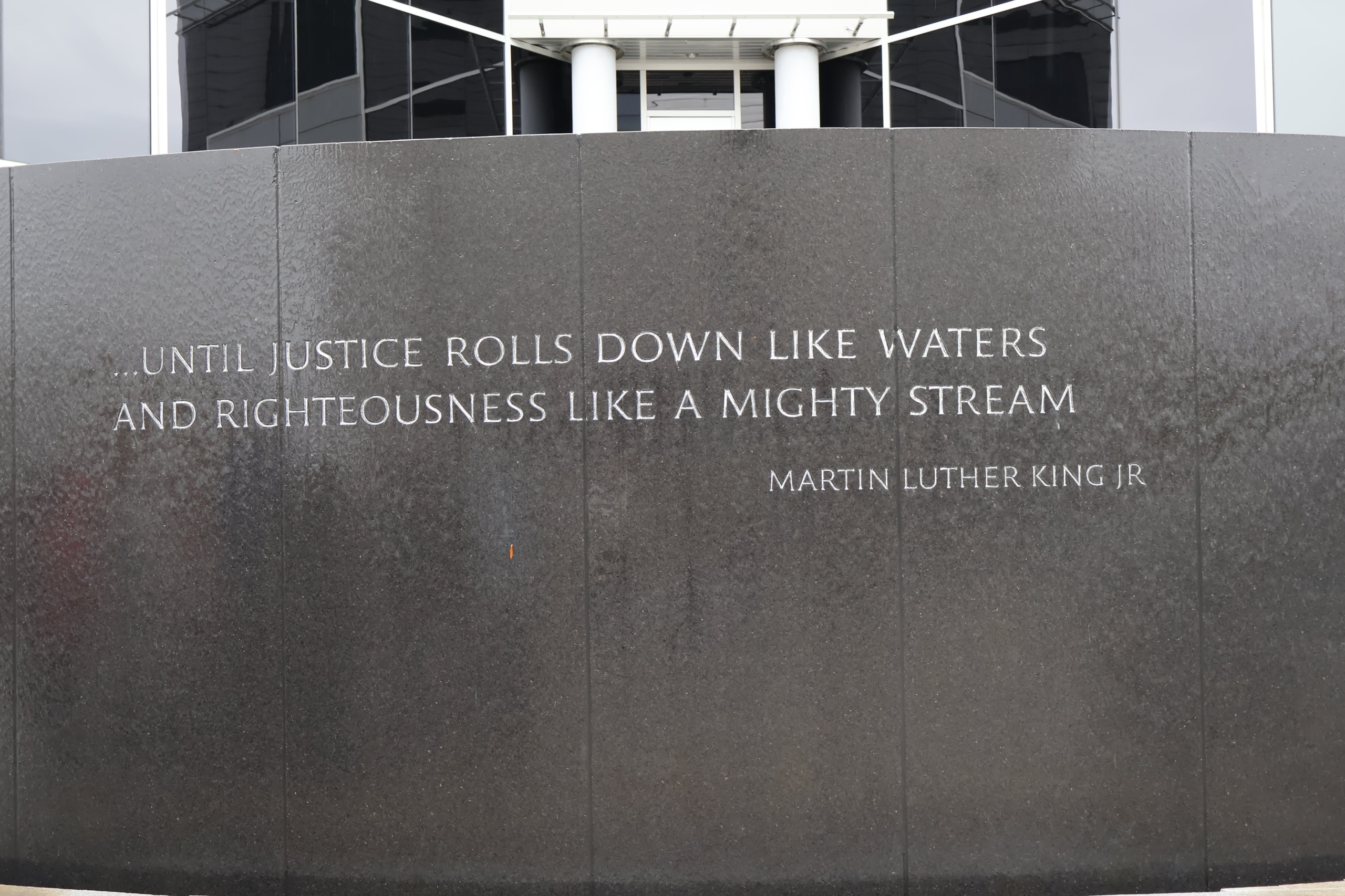
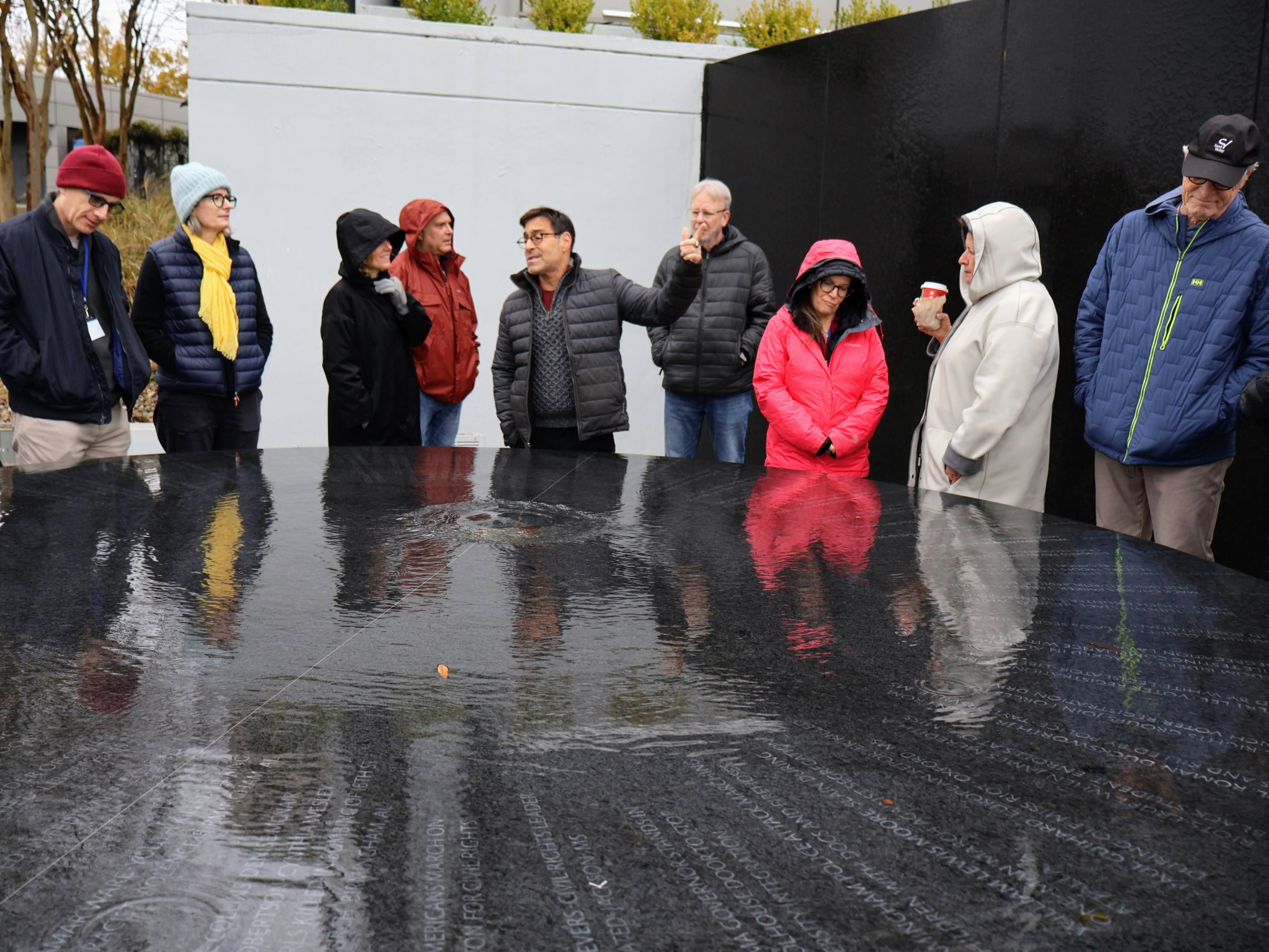
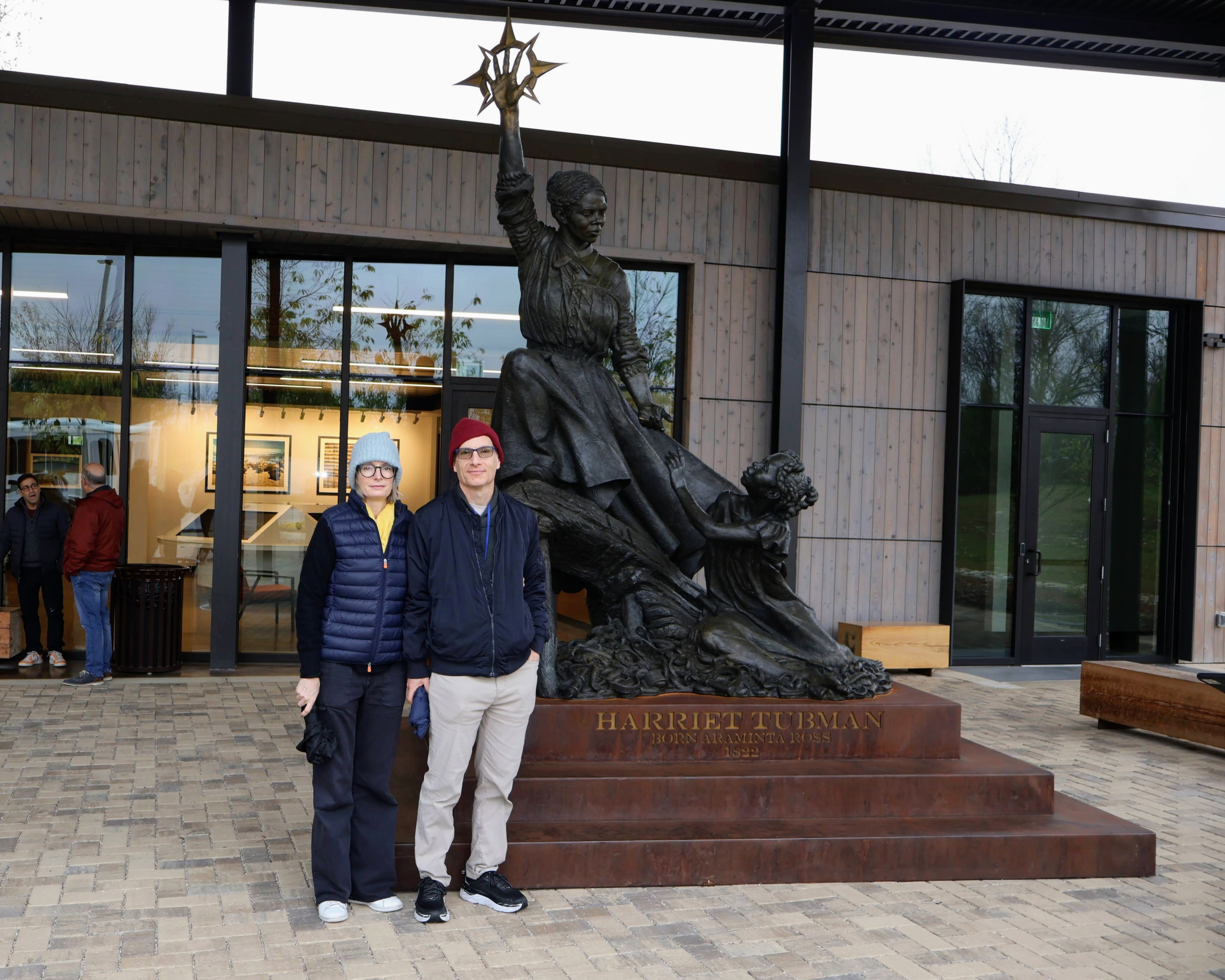
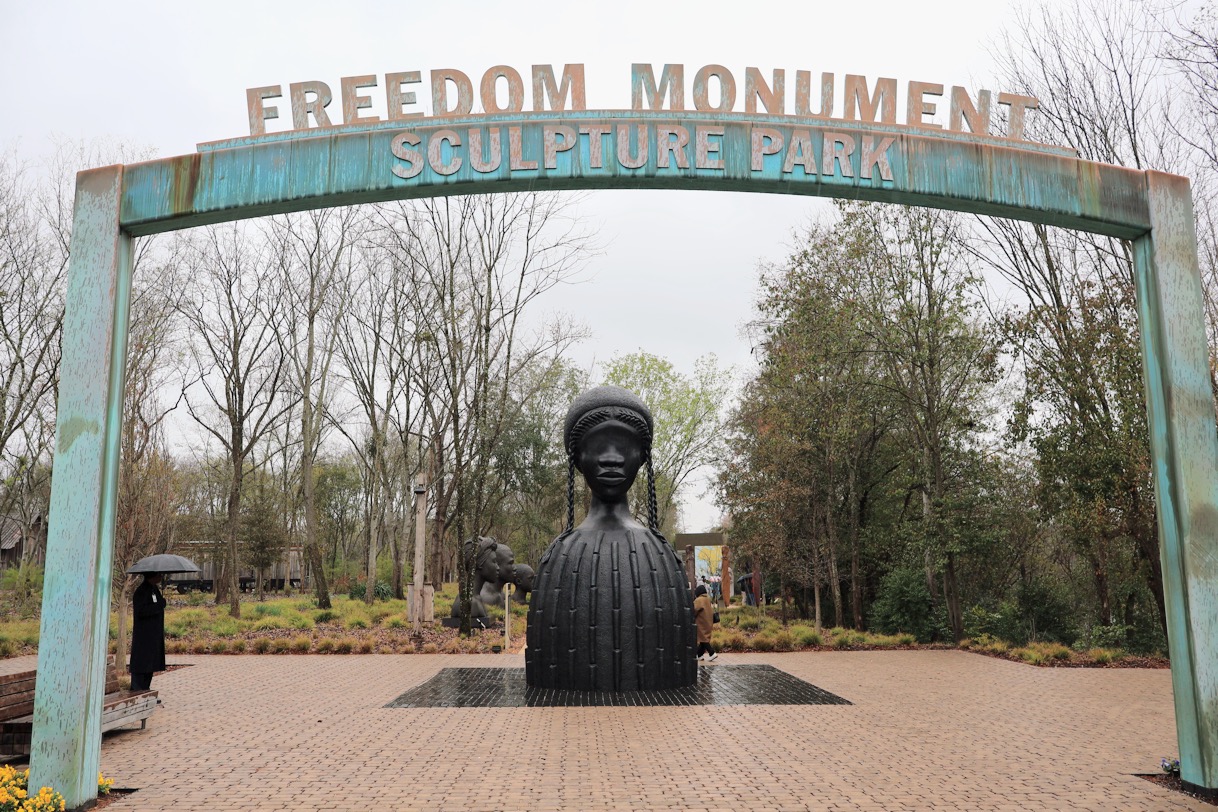
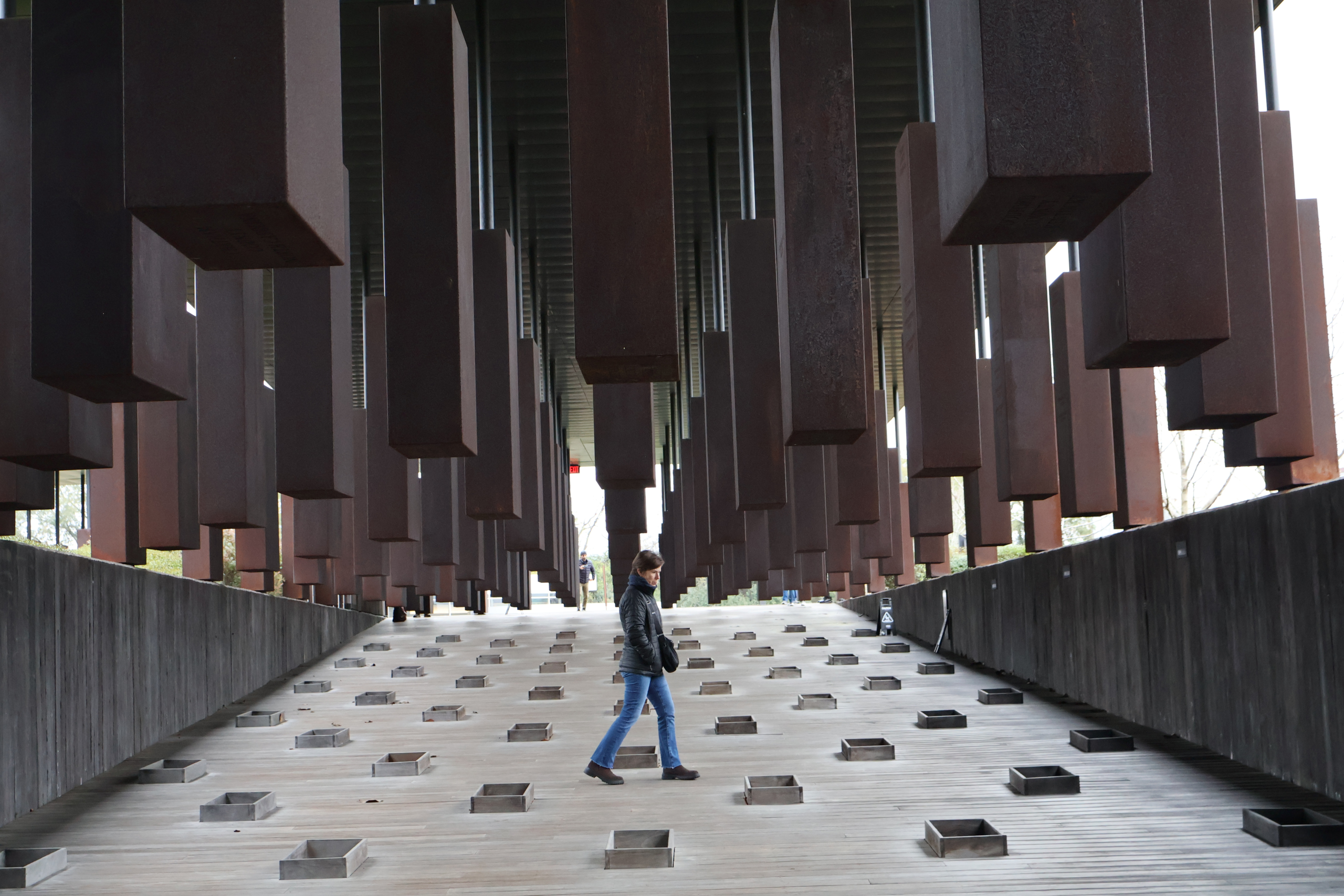
Between the Rosa Parks Museum and the three EJI Legacy sites, we saw the struggle for racial equality in greater focus than ever before. In the Freedom Monument Sculpture Park, I read details of 12 million Africans being brought to the Americas as slaves. Over two million died during the trans-Atlantic voyage alone, and another four million died from abuse rendered once they were here. The scale of that suffering immediately made me think of our own people’s history. Since the 1870s, there have been more than 4,400 lynchings of black men, women, and children, a term that encompasses not only hanging, but any death by a mob for an alleged offense. At the National Memorial for Peace and Justice, we viewed the numbers, dates, and names of lynching victims on massive stone slabs. Each slab represented a county, Dallas among them. In some areas, the dates extended well into the mid-20th century.
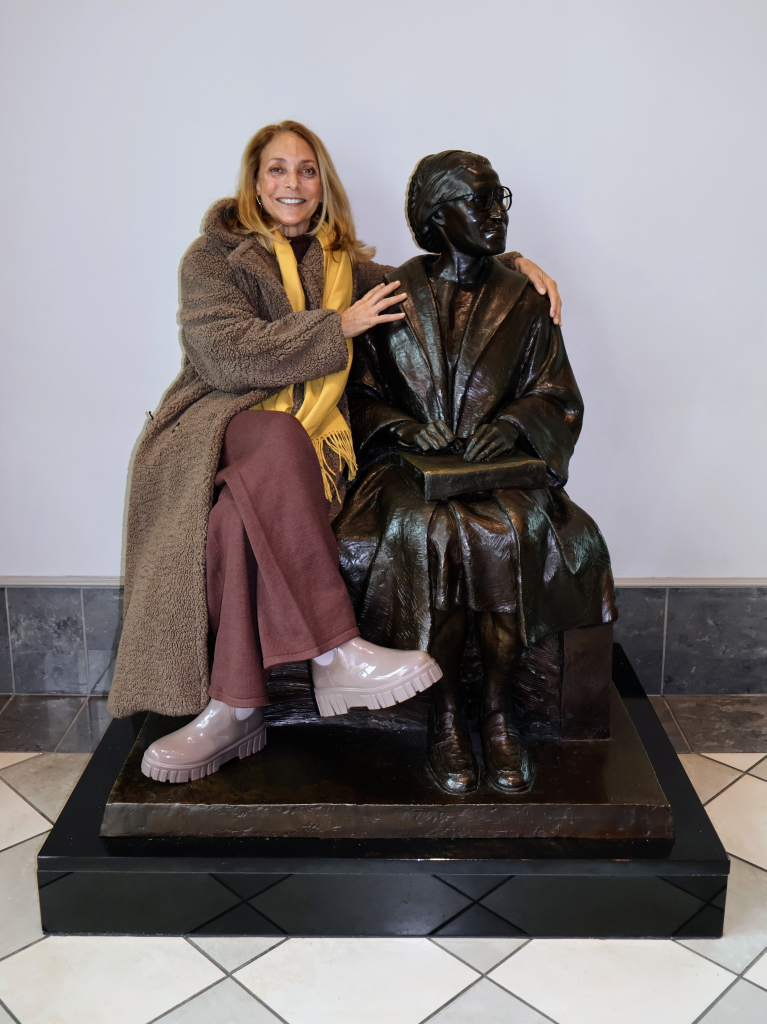
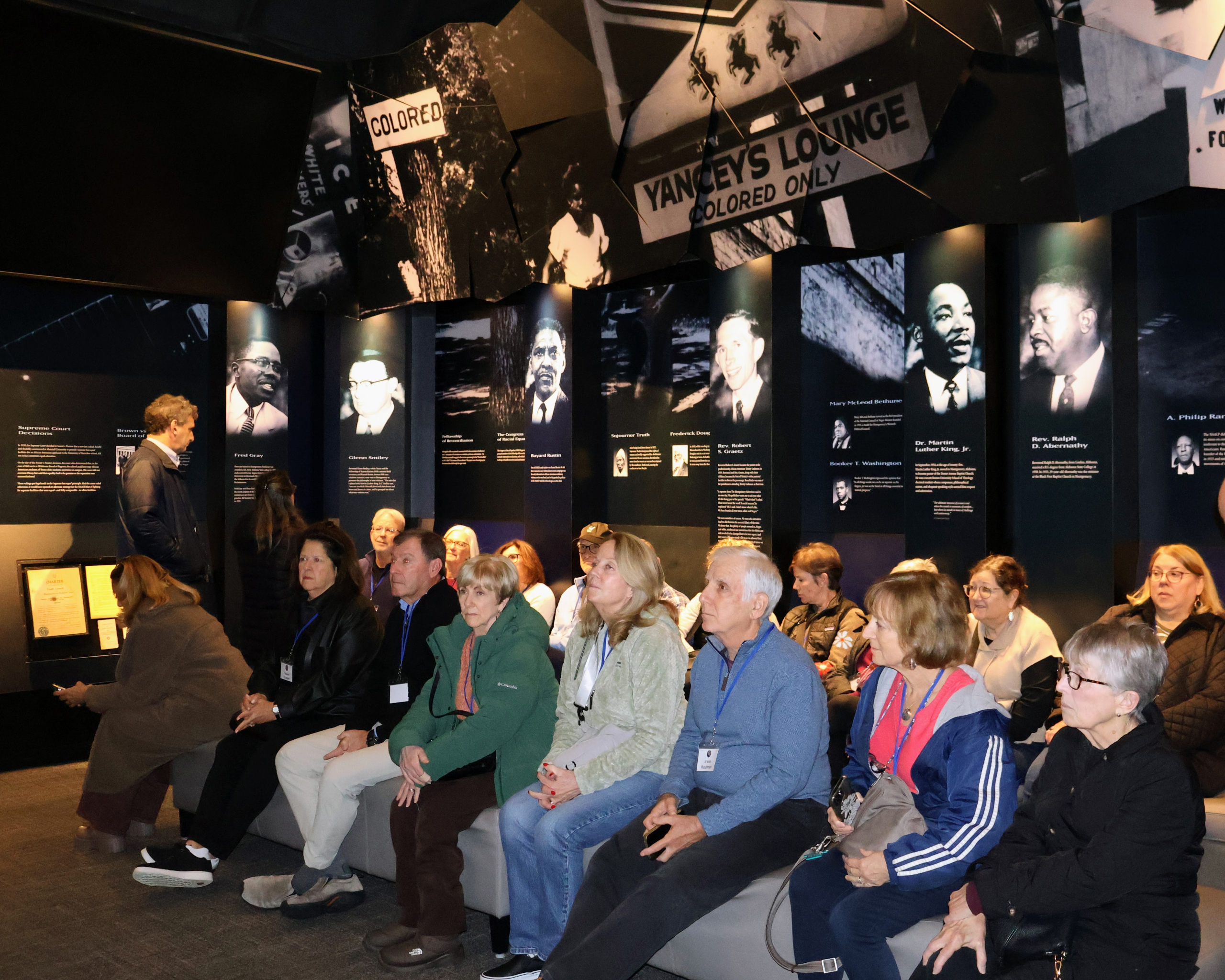
In the Legacy Museum, I traced the persistence of state laws banning inter-racial marriage, which ended only in 1986 in Delaware, 1987 in Mississippi, and 2000 in Alabama. I also took the literacy tests Black people were required to pass before voting in multiple Southern states, a requirement that effectively banned their voting for decades after the 15th Amendment passed in 1869. Can you be imprisoned, under Alabama law, for a debt? Name one person by name or title who is part of the judicial branch of government in Alabama. Write in the space below a reasonable interpretation of a section of the Mississippi Constitution. If it were proposed to join Alabama and Mississippi to form one state, what groups would have to vote approval in order for this to be done? If the two houses of Congress cannot agree on adjournment, who sets the time? And so on. I could not answer a single question.
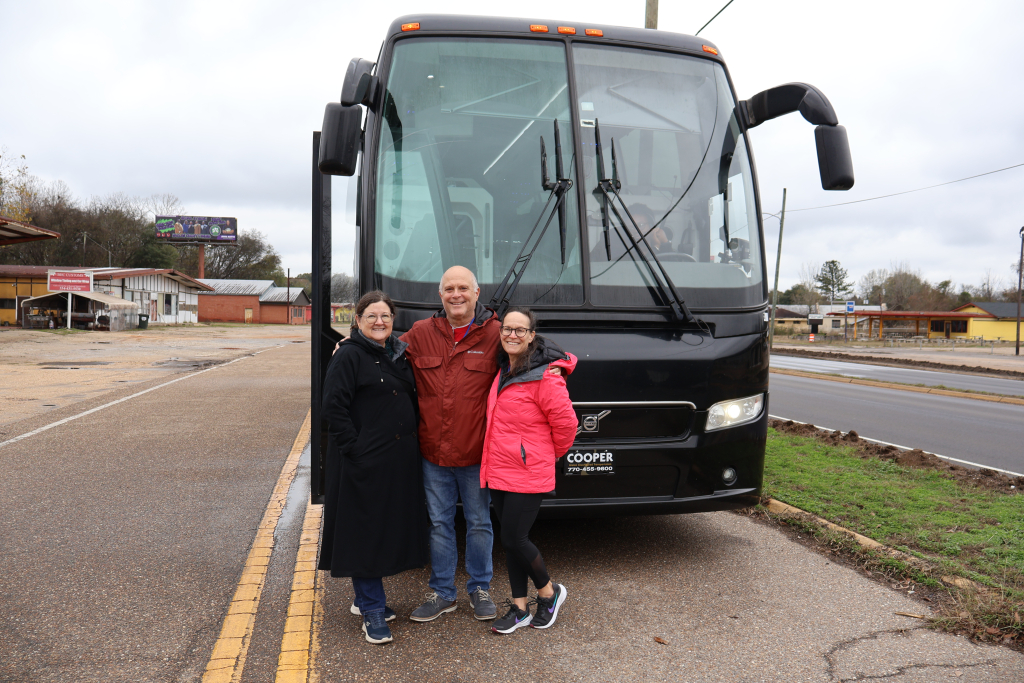
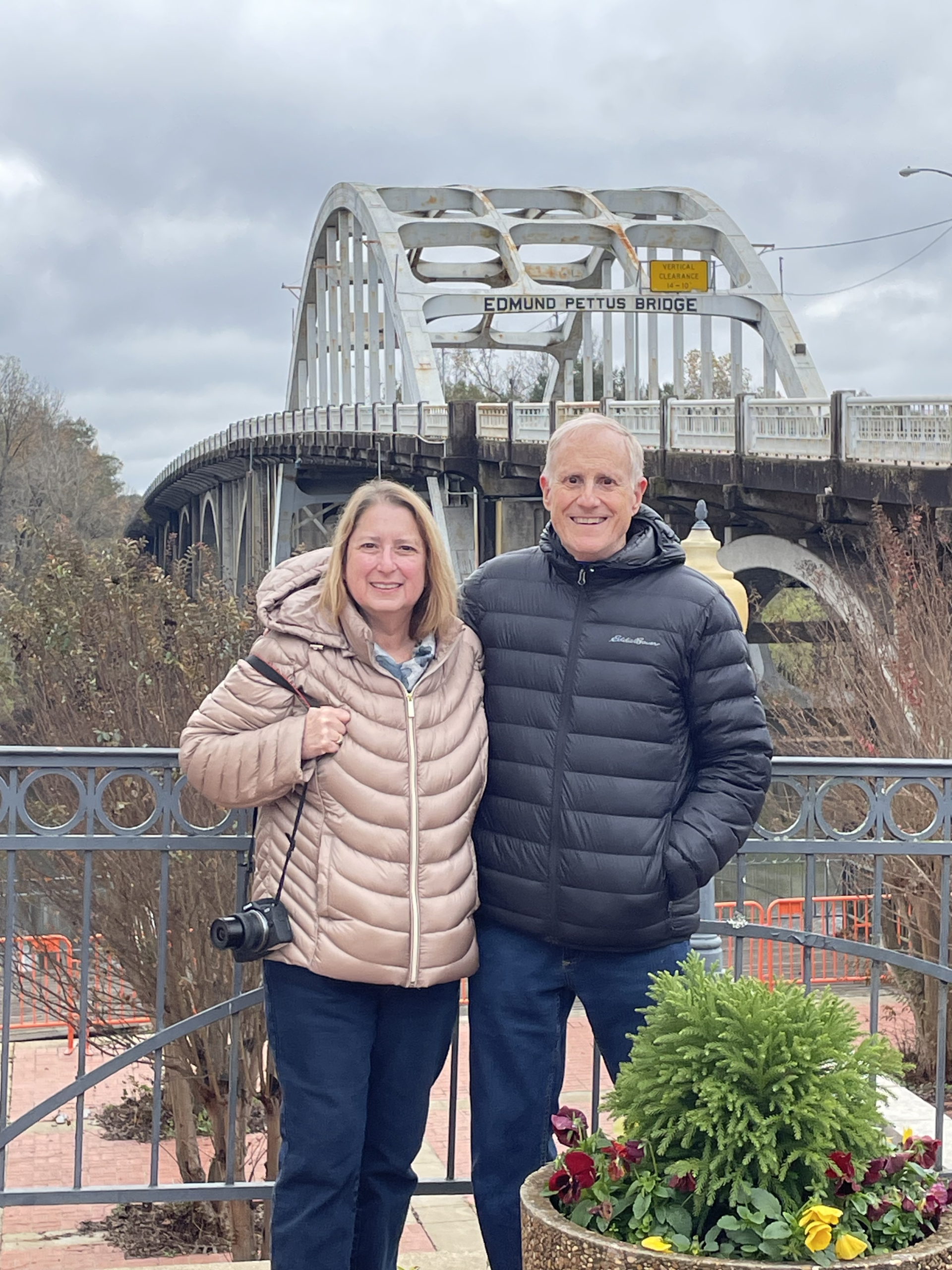
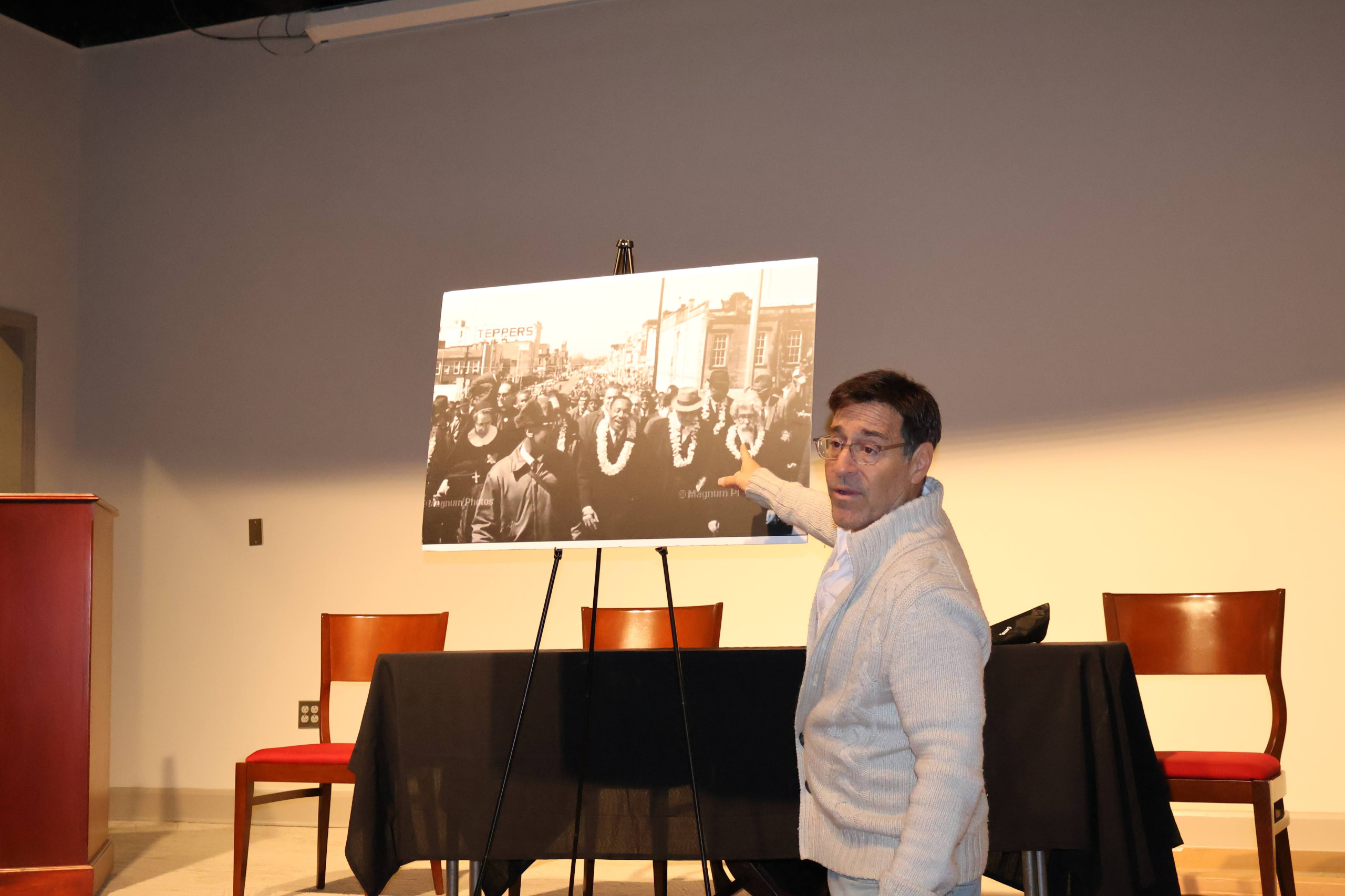
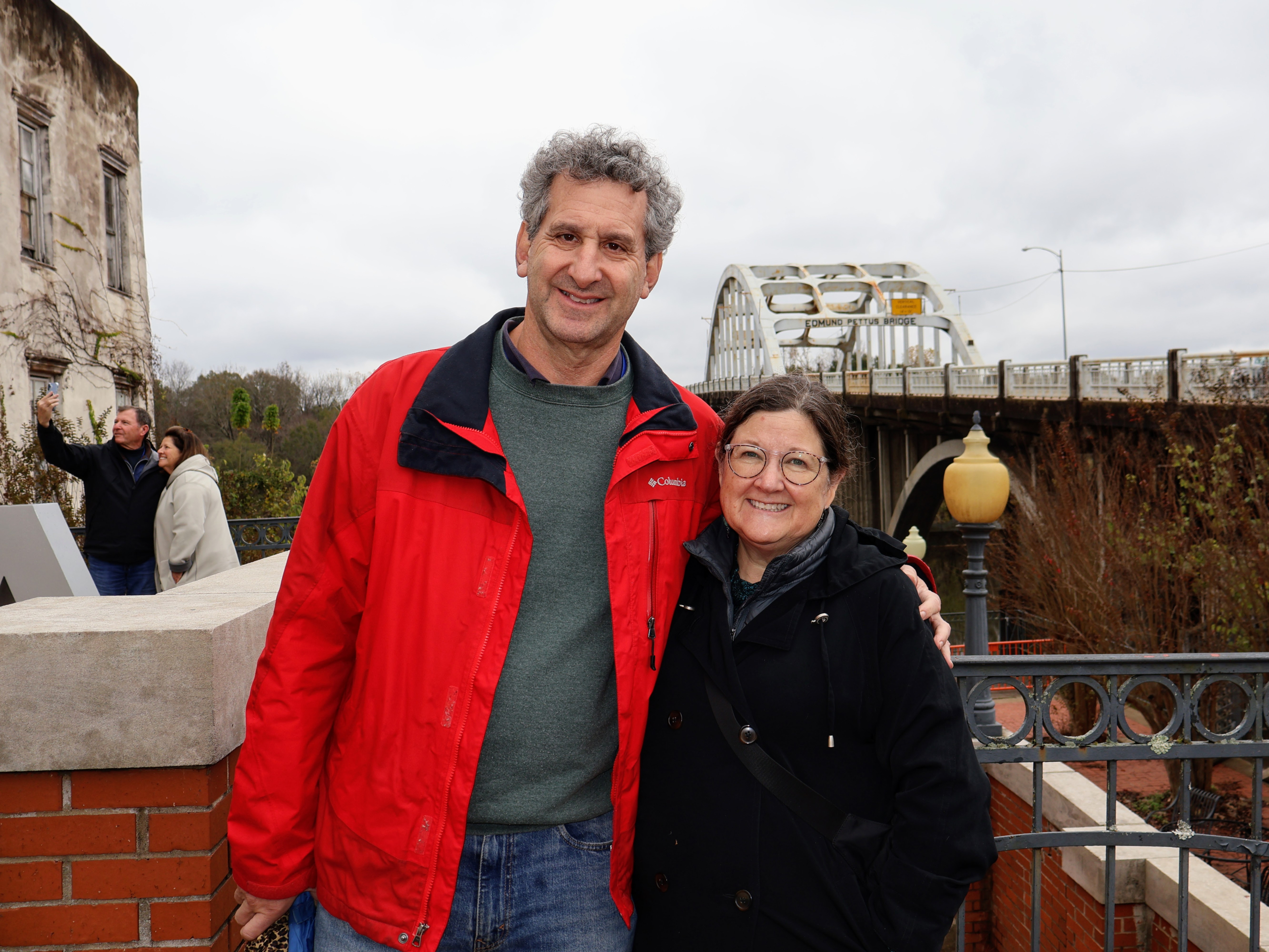
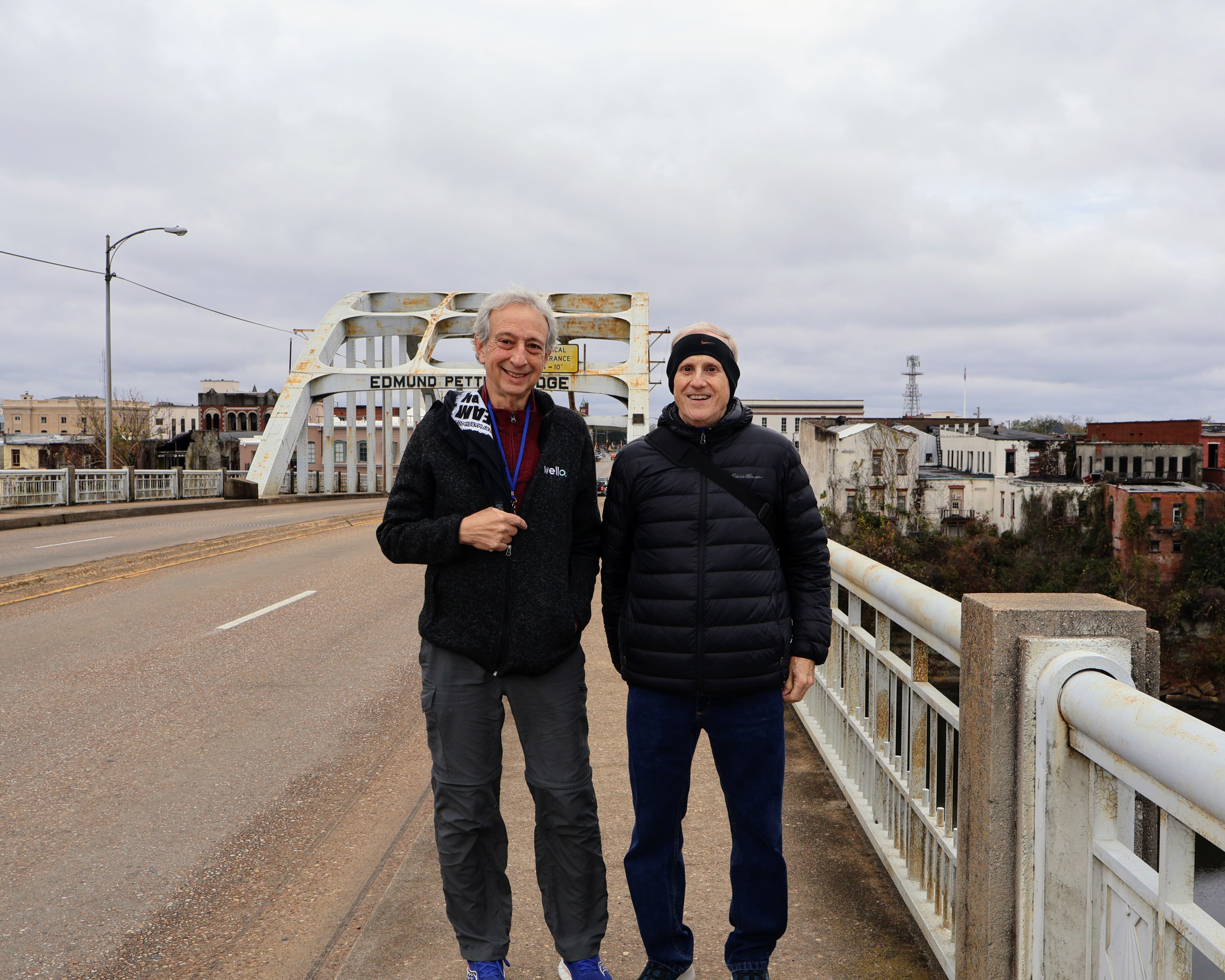
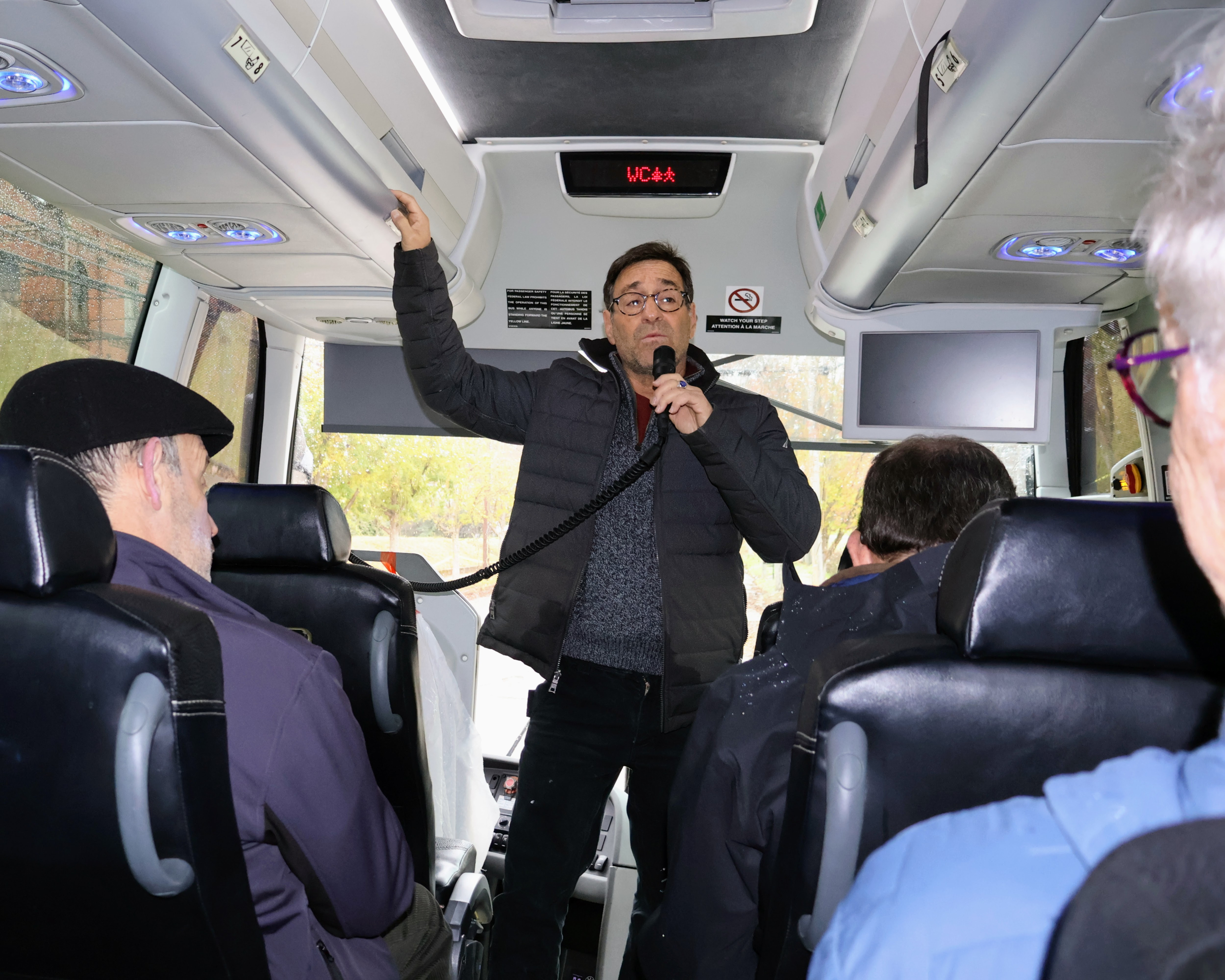
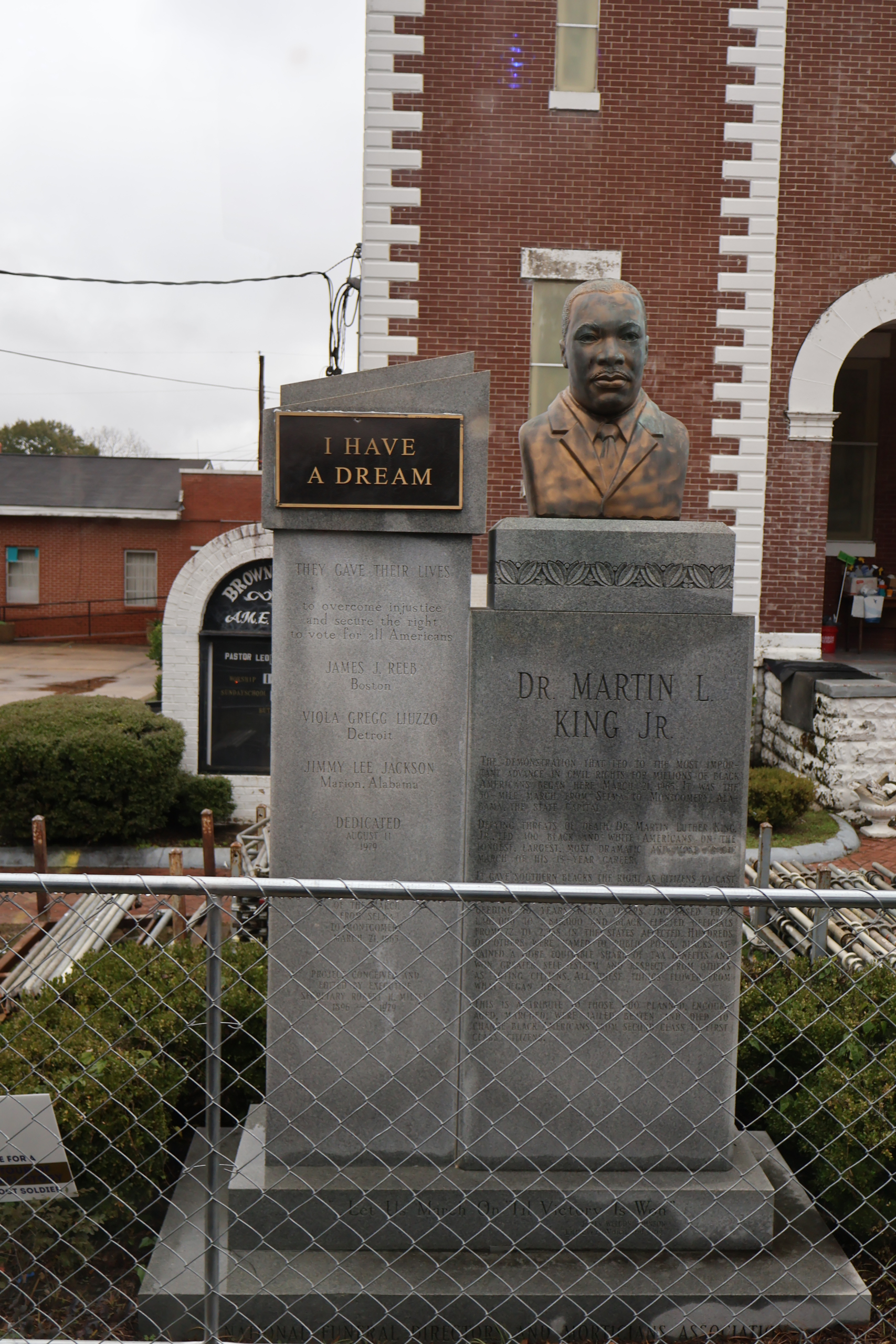
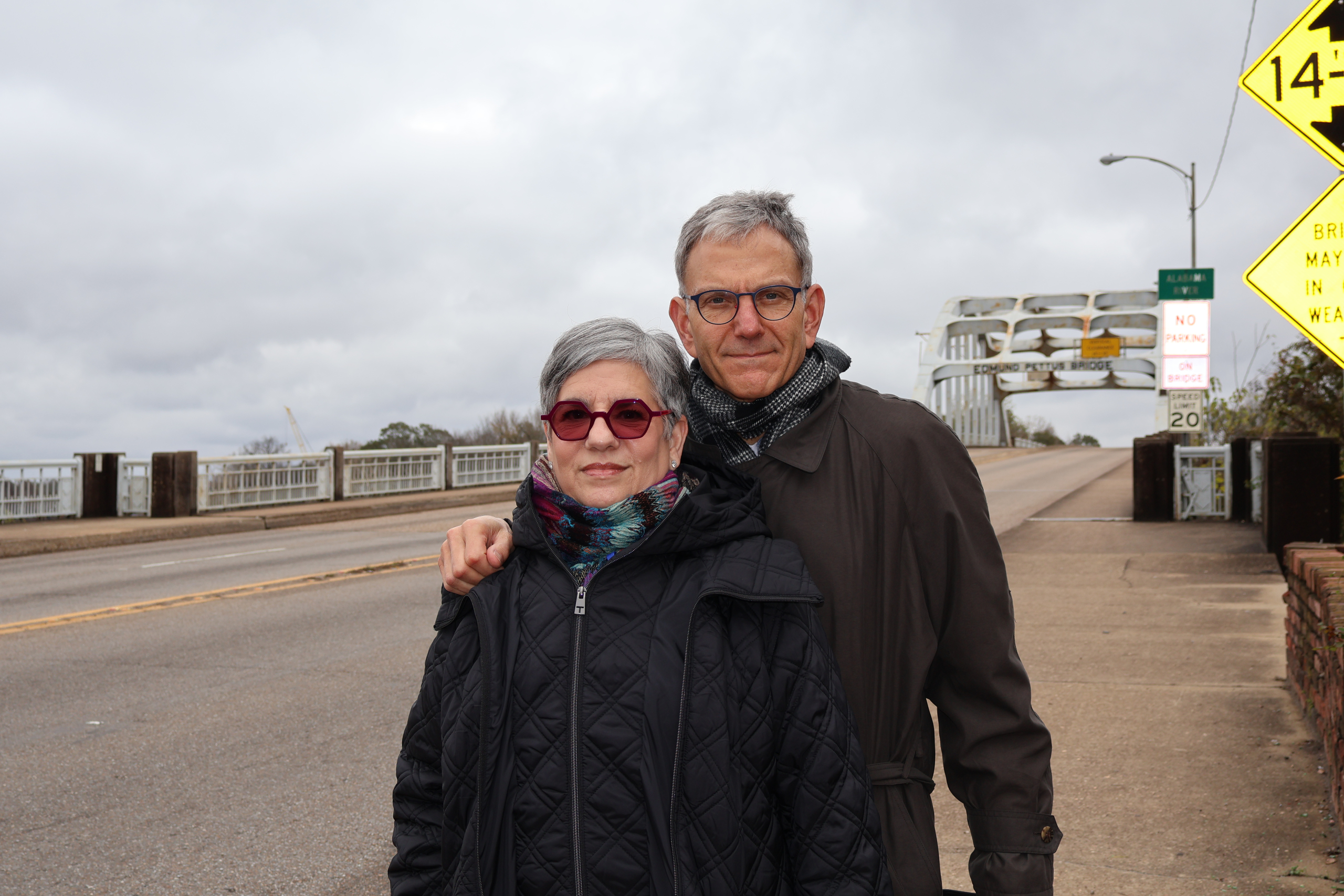
“The Jewish relationship to the civil rights movement is … nuanced,” Scott explained on the bus. Yes, Abraham Joshua Heschel marched alongside Martin Luther King Jr. in Selma. Andrew Goodman and Michael Schwerner were murdered by the KKK in 1964 while helping Black people register to vote. But look at that iconic photo of MLK and Rabbi Heschel leading a crowd of more than 3,000 over the crest of the Edmund Pettus Bridge. In the top left you’ll see a sign for Tepper’s Department Store. Sol Tepper was a vocal opponent of civil rights and an active participant in anti-integration efforts. And there were plenty of Jewish slaveholders. If you’re looking for a group consistently unified in their support of civil rights, try the Quakers.
The Tepper sign still stands today. And Selma’s Bridge keeps its name, even though Alabama Senator Edmund Winston Pettus also served as the Grand Dragon of the Ku Klux Klan. To that we can thank Alabama Governor Kay Ivey’s 2017 Alabama Memorial Preservation Act, which bans the renaming of historical monuments that have been in place more than forty years.
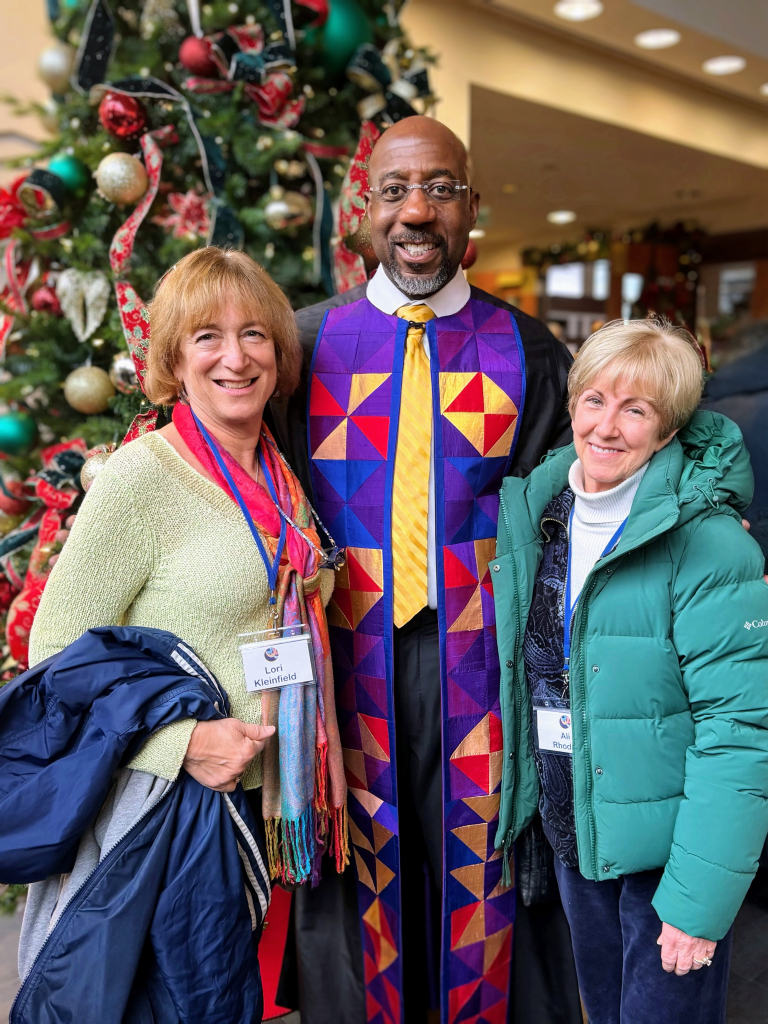
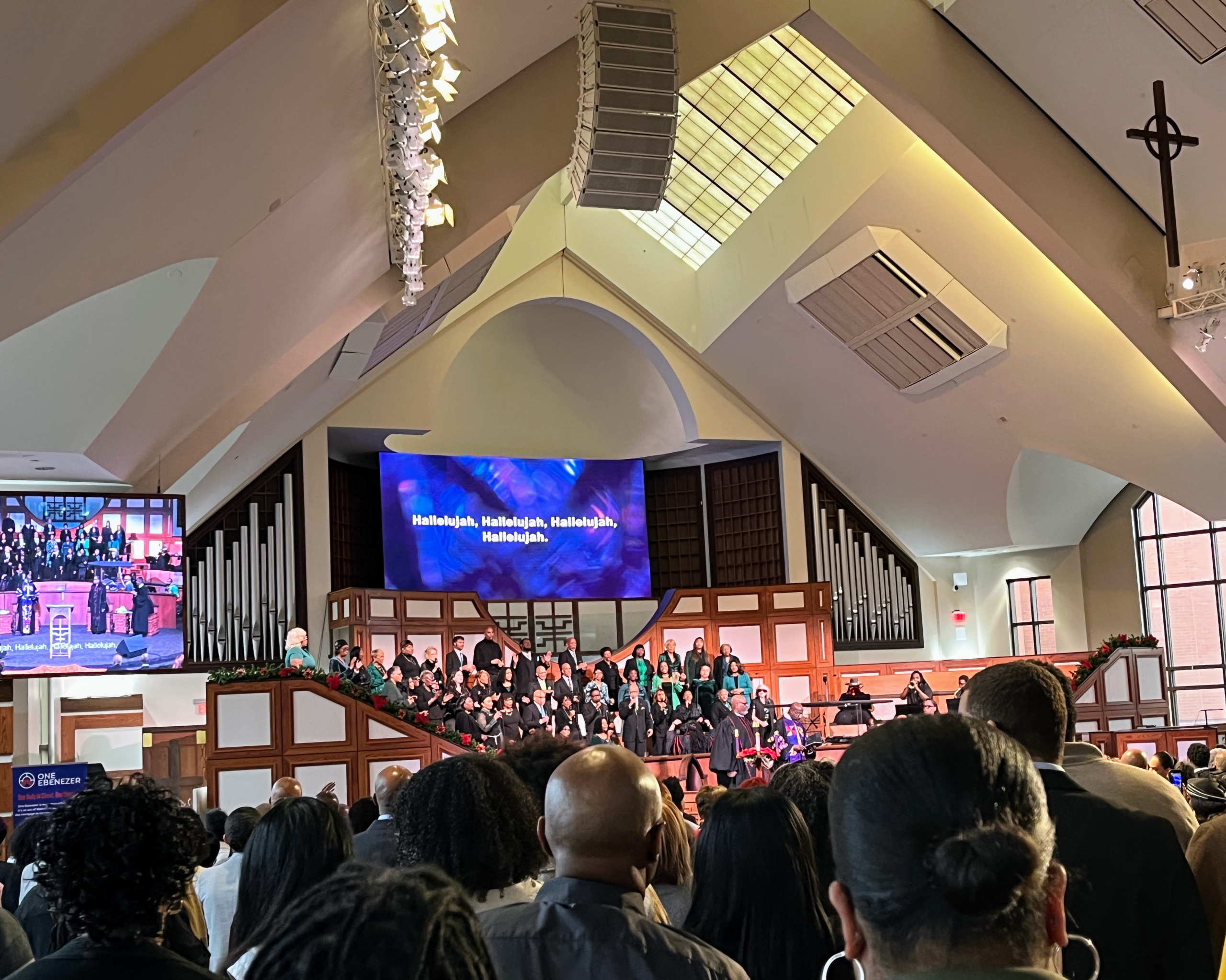
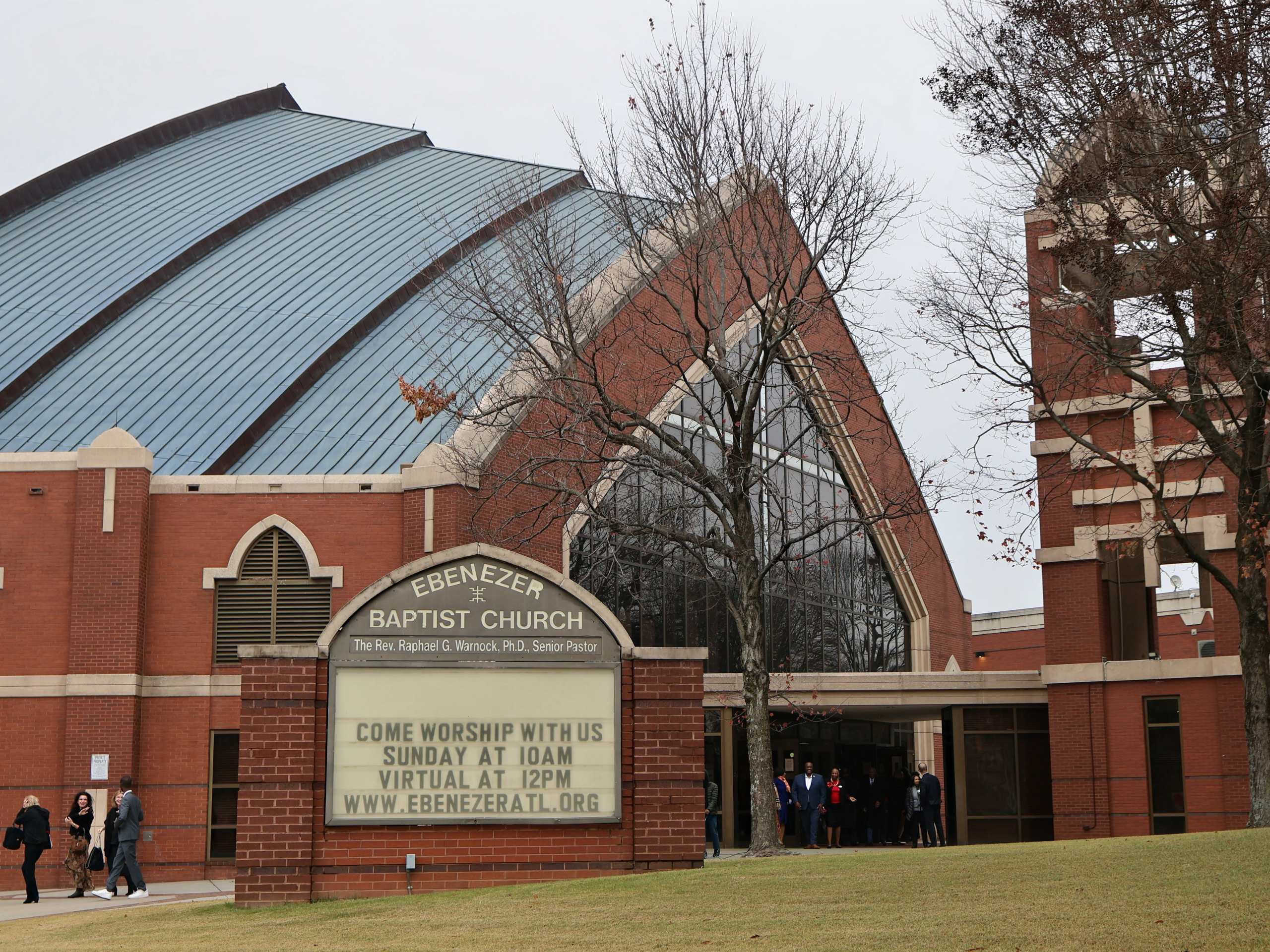
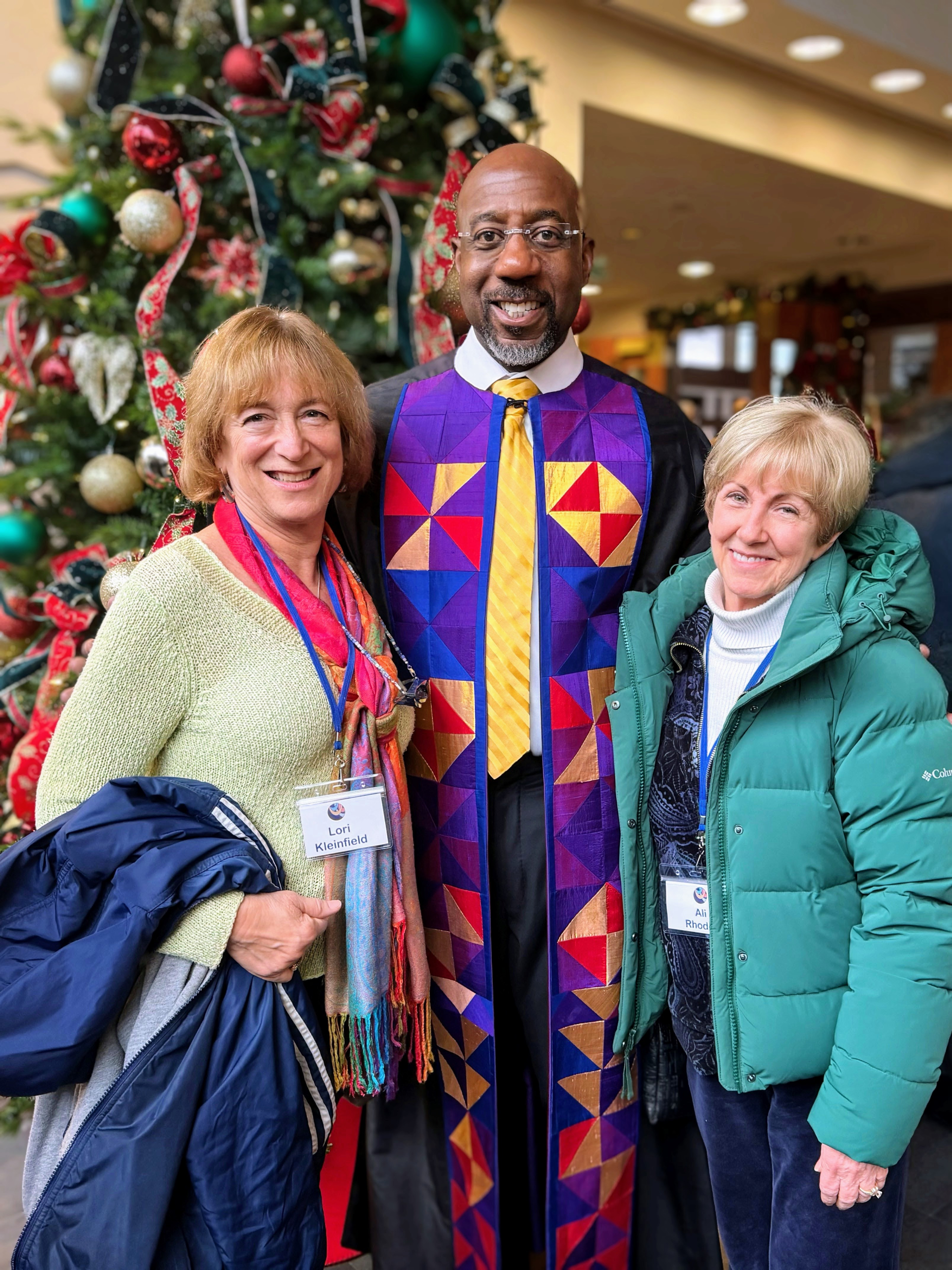
How does one find the energy to face an entrenched, persistent, and even resurgent racism? On Sunday morning, we attended services at the Ebeneezer Baptist Church in Atlanta. Along with other visiting groups and hundreds of parishioners, we were warmly welcomed into this modern facility that sits across the street from the original and a few houses down from MLK’s childhood home on Auburn Avenue. Senior Pastor Raphael Warnock preached. The Georgia Senator delivered rousing and thinly veiled political messages, citing scripture and backed by a 50-person gospel choir throughout. “Why do wise people have no power?” he asked. “Why do powerful people have no wisdom?”
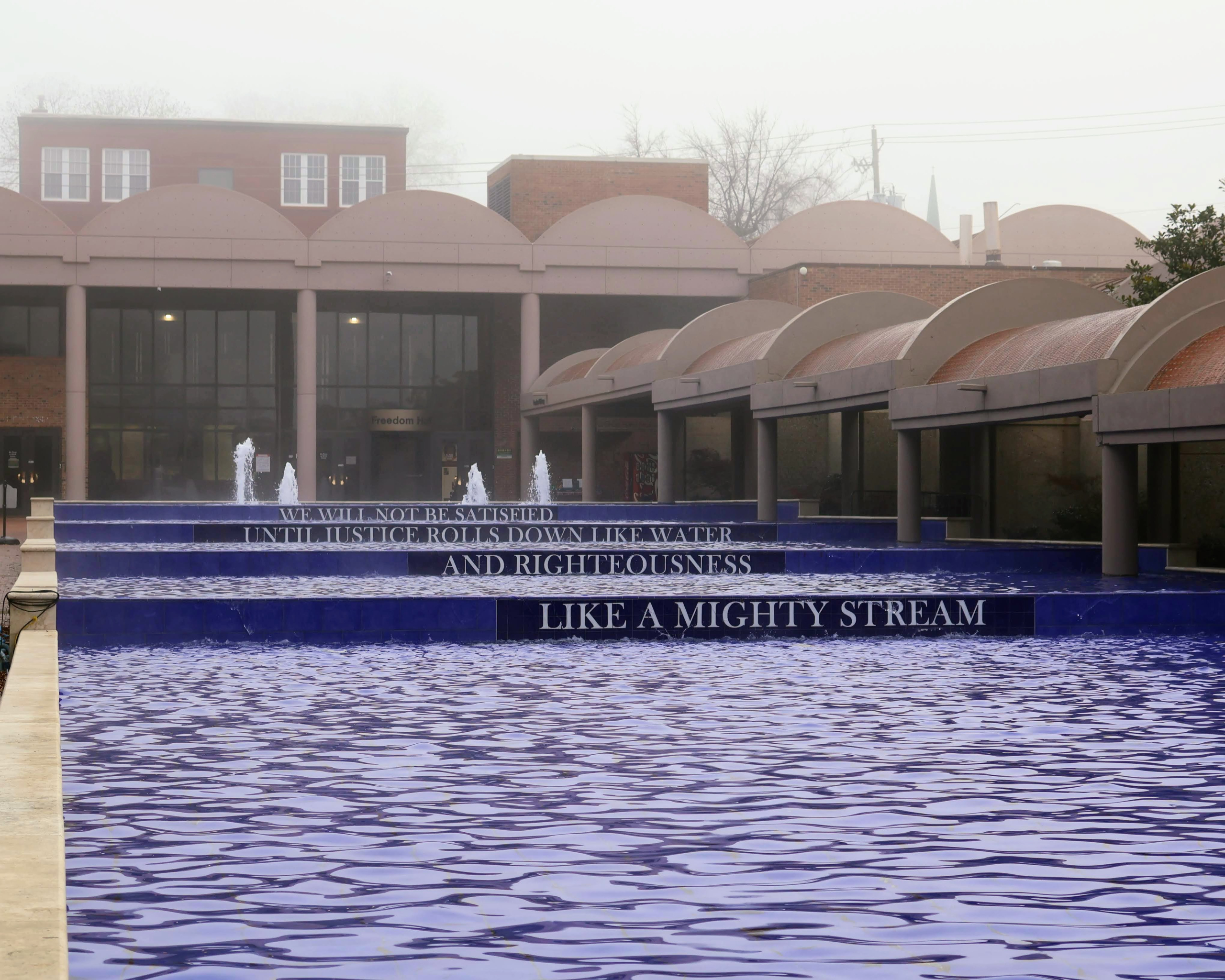
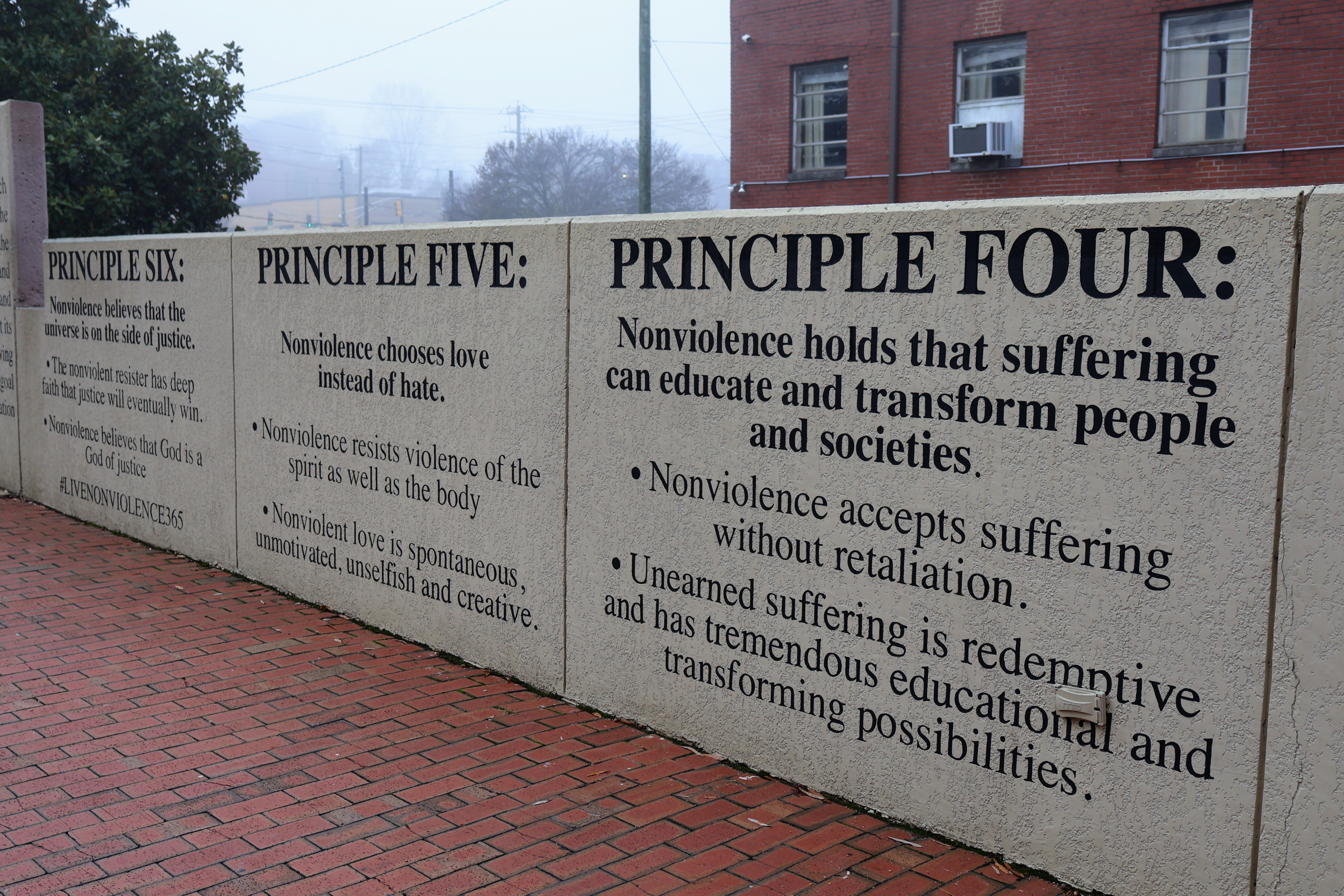
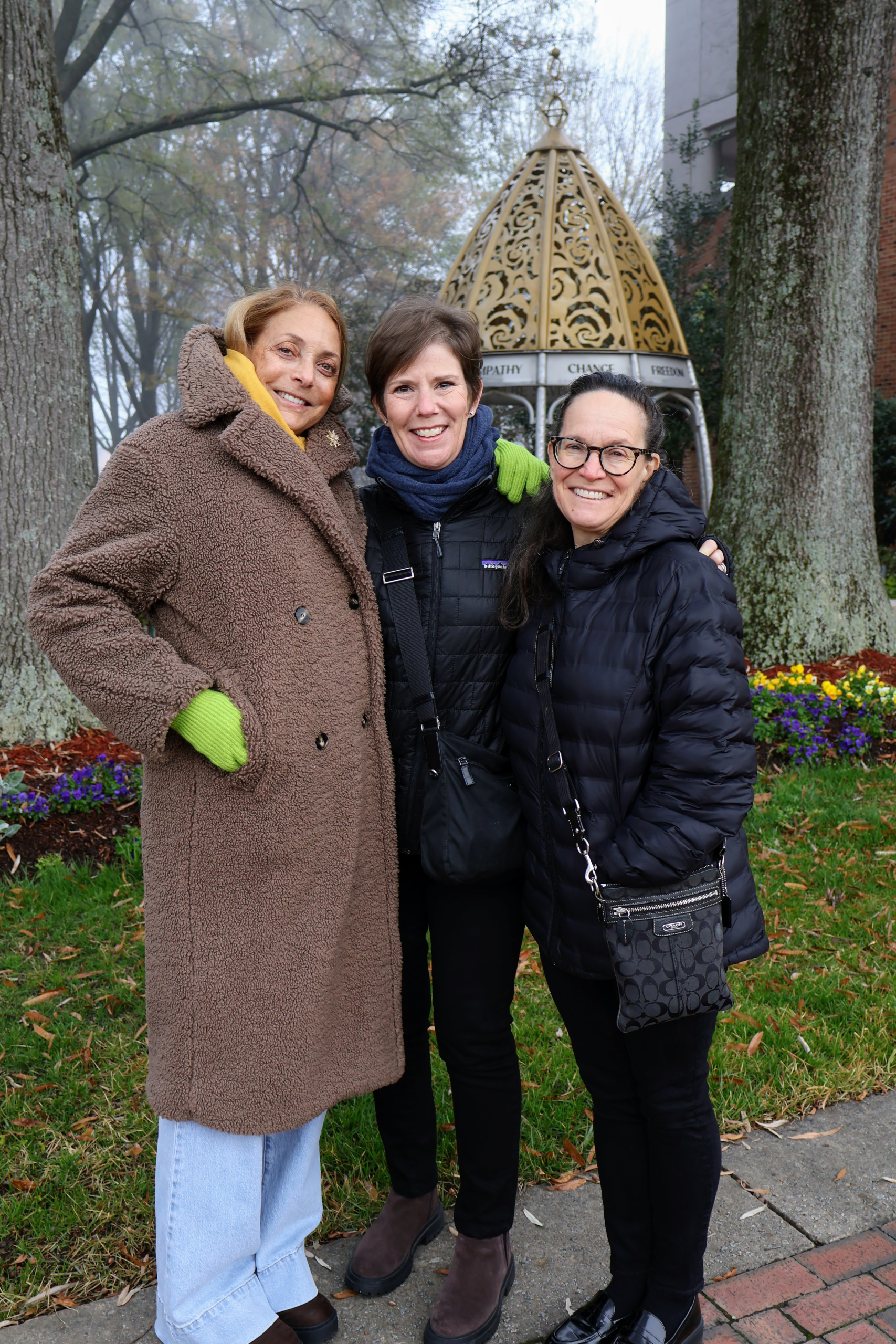
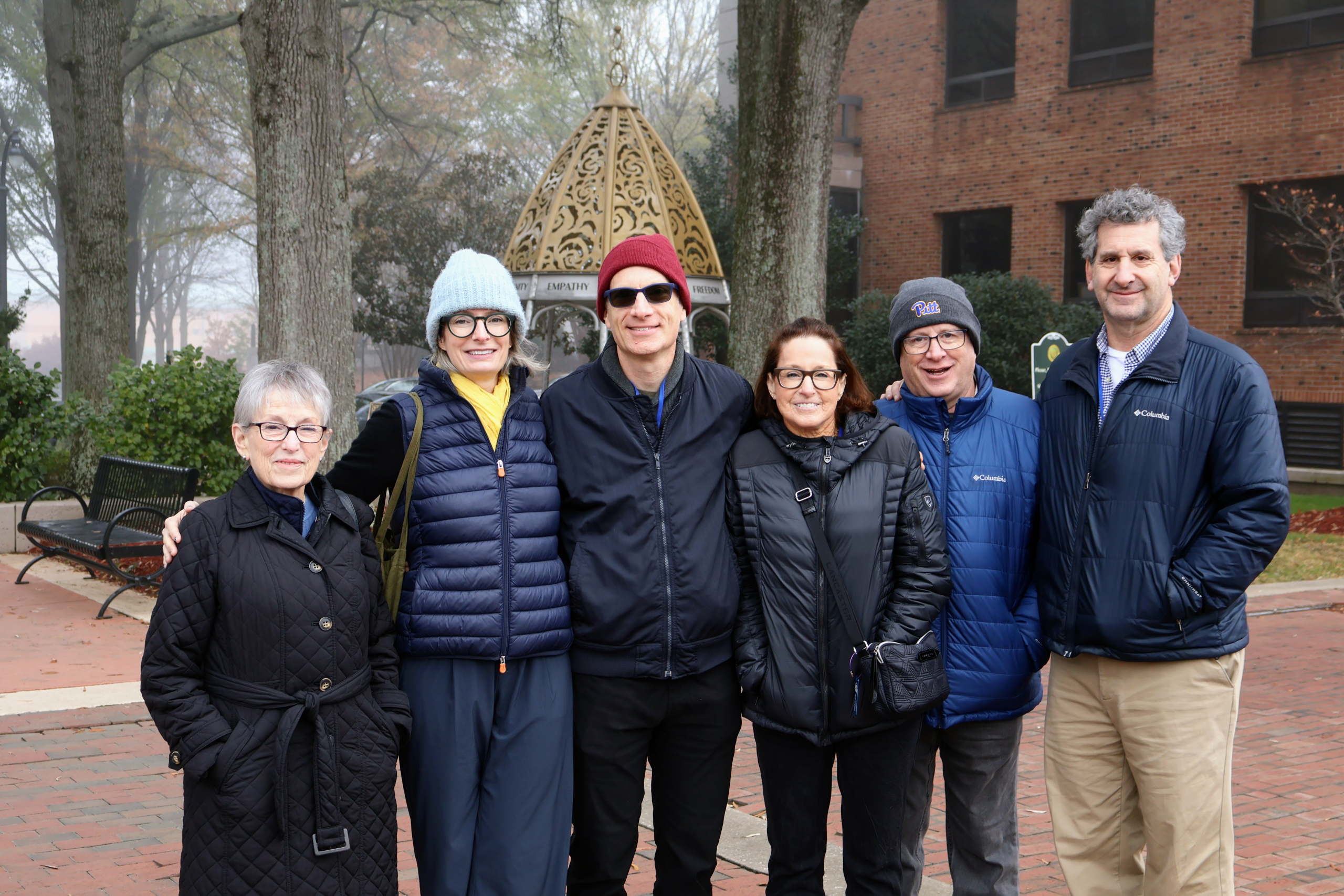
On Saturday morning, as we stood around a Maya Lin sculpture in front of the Southern Poverty Law Center, Scott looked around the group. “You’re choosing to face and understand some very difficult things,” he said. “I see courage in each of you.” But I’m not sure I feel courageous. Maybe I’m just fortunate enough to have the time and money to take such a trip. When my grant proposal to train a new and representative generation of cancer researchers lost funding in early 2025, did I protest? No. I resubmitted the grant without mention of diversity, and it was funded. When Governor Abbott threatened to eliminate future tenure at state universities if critical race theory were taught, did I protest? No. Fearing I would not have a chance later, I applied for tenure and received it. The Temple Shalom Civil Rights Journey was an incredibly meaningful experience. Yet, just days after our return, I was back to thinking rejected manuscripts, bad traffic, and a bruised toenail are real problems. This trip could and should be life-changing. It’s up to each of us to make sure that it is.

4 Responses
Extraordinary learning, jarring but necessary. A beautiful travelogue to there days that bears witness and awakens.
Thank you, David for this and thank you to all who made this experience possible for Peggy and I.
Thank you for writing this insightful and thoughtful piece. While reading, I felt like I was there and experienced it through your wonderful storytelling.
David,
You captured the essence of the trip/experience beautifully. Thank you. We are typically not “group” travelers and shy away from tour buses. But the opportunity to learn and experience this with a group created community and friendship that is so important to giving us all strength to continue to fight against injustice.
Appreciation to all who made this trip a reality.
Gail
Thank you David for documenting our Civil Rights trip so beautifully. So we will never forget, so we will be moved to do something to make a difference. I appreciate your honesty in describing how it is hard sometimes to take a stand. They make it an impossible choice. Thanks for shining a light on injustice and the heroes who fought back, and won! Let it not be in vain!