At Temple Shalom, one of the core values is that drives lifelong learning is WONDER. But when we say wonder, we mean something very specific. We are drawing on two deeply Jewish traditions that have shaped the way we teach and learn.
The first comes from Rabbi Abraham Joshua Heschel, who challenged us to live with what he called “radical amazement.” He wrote: Our goal should be to live life in radical amazement… get up in the morning and look at the world in a way that takes nothing for granted.
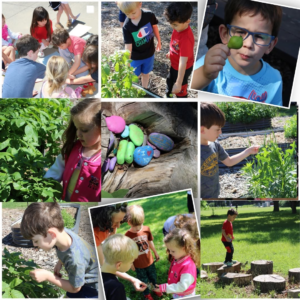
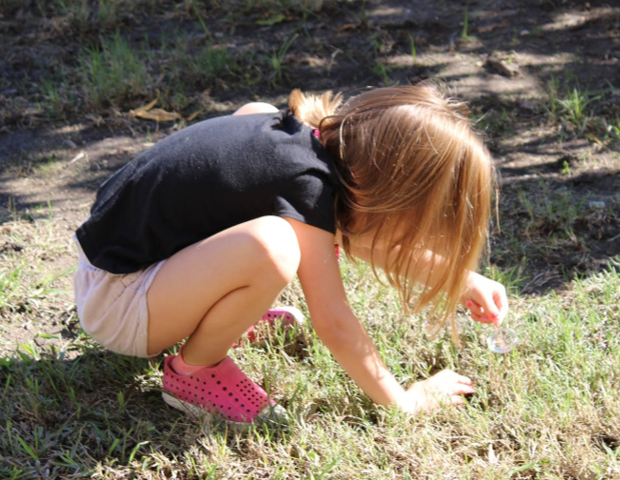
To live with wonder is to notice. It is to pause long enough to experience the beauty all around us. To see a beautiful flower blooming in our garden, to smell the herbs, to hear the bees. I believe when we experience wonder together, we strengthen our sense of belonging. Jewish tradition teaches that the world is filled with miracles, if only we have eyes to see them. As the Midrash teaches, “The world cannot exist without miracles and wonders.”
But there is a second kind of wonder that is just as important. It is the wonder that begins with two simple words: I wonder…
In many classrooms, education is built around finding the right answers. One reason I say what we do here is NOT school is that we care about meaning making, not answers. Jewish learning has always been different. We begin with questions. We encourage learners of every age to wonder, to imagine, to wrestle with ideas, and to discover meaning together. For us, asking thoughtful questions is evidence that real learning has begun.
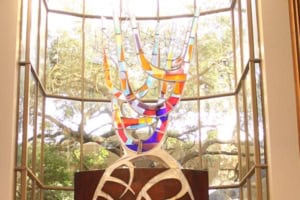
Jewish texts are filled with our people’s experience of awe and wonder. Awe is understood to be a vital part of the collective experience of the Jewish people. Beginning at the formative moment of revelation at Sinai to the weekly blessings over candles at the beginning and end of Shabbat, our sacred texts present awe as a posture through which we engage with both the divine and the world around us.
This stance of curiosity runs throughout Jewish tradition. Our Torah is studied through dialogue. The Talmud preserves generations of debate. At the Passover seder, we celebrate the questions of all our children. Jewish learning has never been about memorizing information alone; it has always been about cultivating curiosity to create a desire for lifelong exploration.
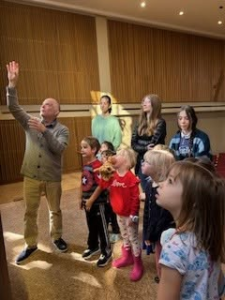
Here at Temple Shalom these two kinds of wonder fit seamlessly together. We stand in awe of the world God created, and we ask questions about our place within it. We notice what is amazing and it inspires us to be curious. We encourage learners to slow down enough to appreciate what is, in order to image what yet can be.
Wonder is more than a feeling. It is a Jewish value. It is an educational practice. It is a way of moving through the world with open eyes, open minds, and open hearts. When we help a learner say, “Isn’t this world amazing?” and “I wonder why…” we are doing more than teaching Judaism. We are helping them become Jewish learners for life.