
We welcome children from 2 months through 5 years:
• Infants: 2-11 months
• Young Toddlers: 12-18 months
• Older Toddlers: 19-35 months
• Preschool: 3-5 years


Temple Shalom’s Early Childhood Center (ECC), opening this August, offers infants, toddlers, and preschoolers a warm, relationship-centered start, grounded in play, enriched by nature, and guided by Jewish values.
Temple Shalom’s Early Childhood Center (ECC), opening this August, offers an carefully designed program created with deep respect for how young children learn and grow.
We believe early childhood education should be:
Our ECC is grounded in Jewish values and warmly welcoming to families of all backgrounds. Whether your family is Jewish or not, you will find a place where children are truly known – and where families feel part of a caring community.
Young children thrive when they are surrounded by familiar faces and trusted relationships. That’s why we design our program to support continuity and connection whenever possible.
By planning transitions thoughtfully and, when appropriate, allowing teachers and children to grow together over time, we help create a sense of safety, belonging, and confidence – so children can focus on learning, and families can feel at ease.
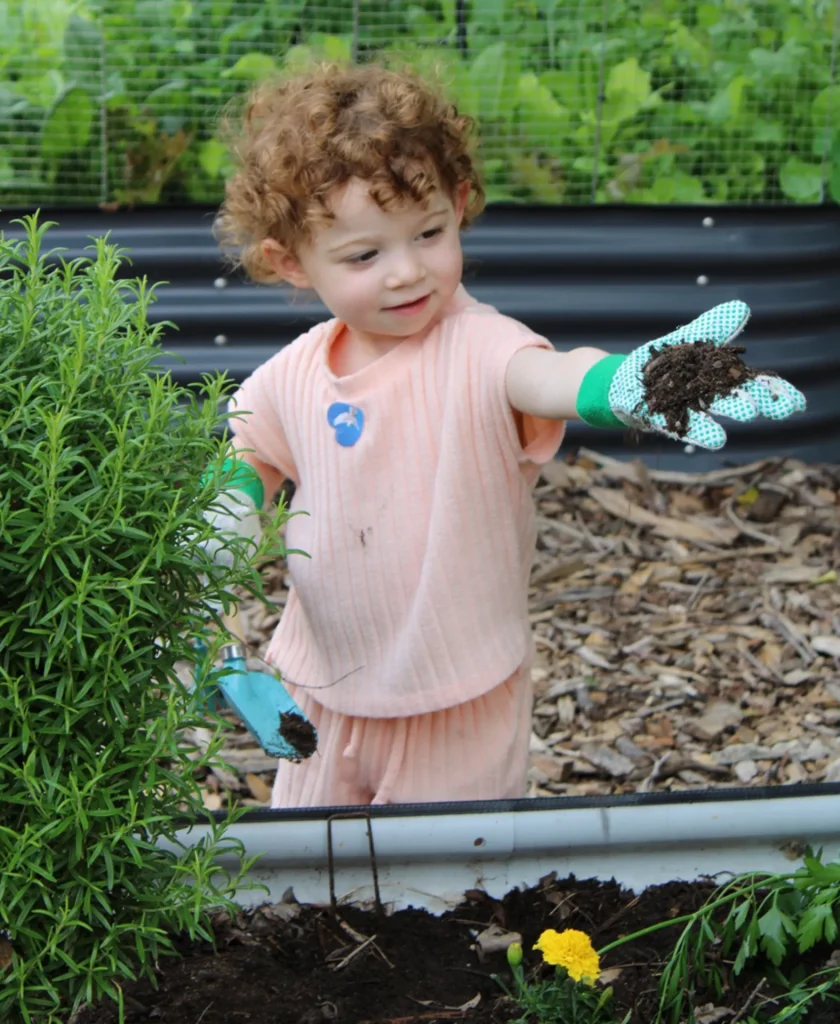
At Temple Shalom Early Childhood Center, we believe that relationships are the foundation of learning, especially in the earliest years. When children feel known and secure, they are more willing to explore, take risks, and engage deeply in their learning.
Rather than moving children strictly by age or birthday, we plan transitions thoughtfully-guided by each child’s development, relationships, and sense of belonging. Whenever possible, we also practice teacher continuity, often called looping, so children may remain with the same teaching team over time.
Research and experience show that continuity reduces stress for young children, strengthens trust with caregivers, and supports social-emotional growth. For families, it builds partnership and confidence; for educators, it allows for deeper understanding of each child and a more stable, connected learning community.
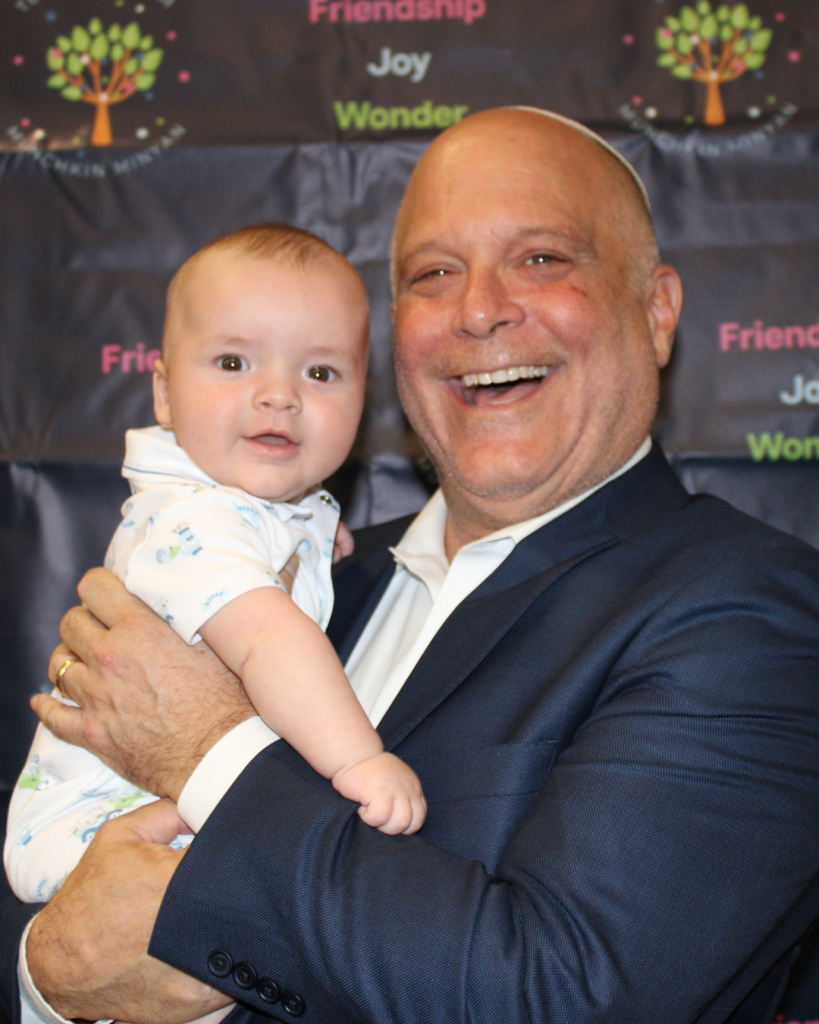
Our infant program, Seedlings offers a nurturing, responsive environment where each baby’s rhythms are honored and relationships come first.
Flexible and child-led, centered on feeding, rest, play, and connection.
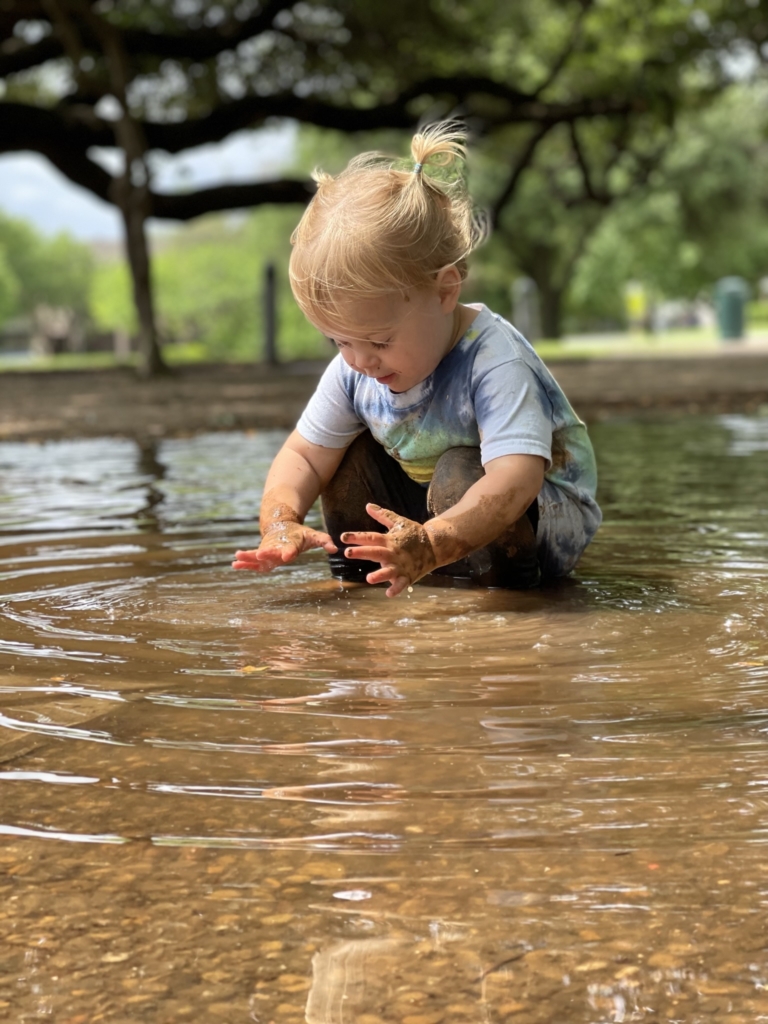
Young toddlers are beginning to move with purpose, communicate more clearly, and test their growing independence-all while still needing the comfort and security of familiar routines and trusted caregivers.
Our Young Toddler program provides a warm, responsive environment where children feel safe to explore, practice new skills, and build early friendships. Educators offer gentle support as toddlers learn to navigate their world-one step, word, and discovery at a time.
A calm, predictable flow of play, exploration, meals, rest, and connection-designed to meet young toddlers where they are while supporting their growing curiosity and confidence.
Educators partner closely with families to support transitions, honor each child’s developmental pace, and ensure that young toddlers feel secure, supported, and deeply cared for.
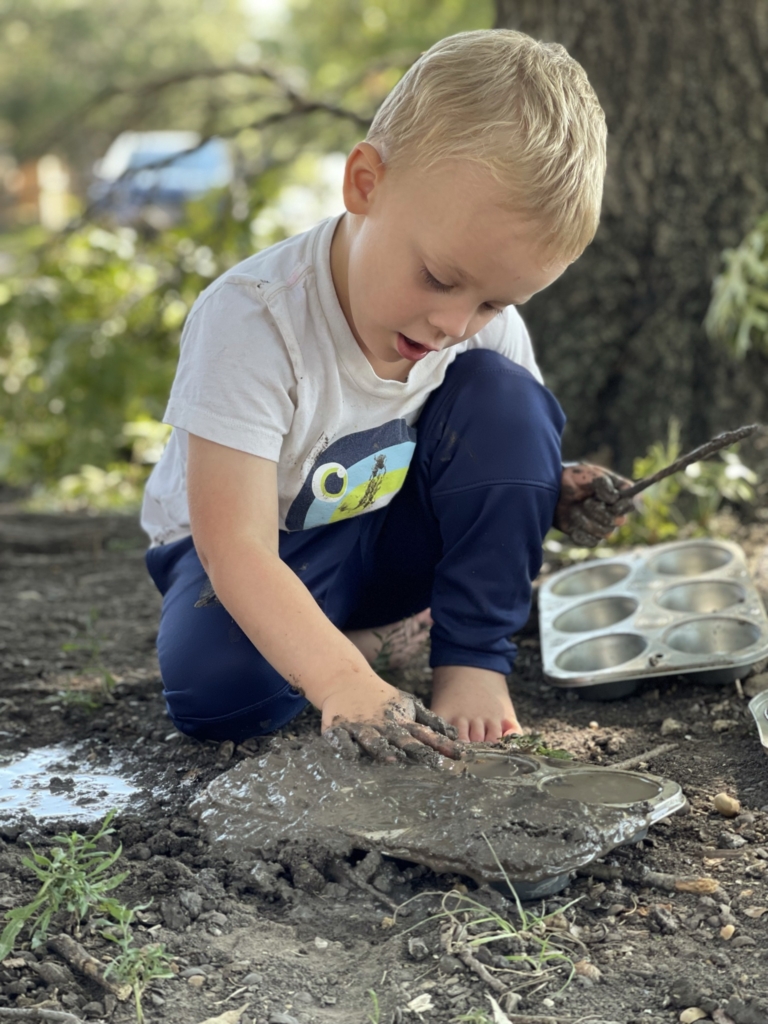
Toddlers are active explorers, and our program supports their growing independence through play, language, and movement.
A steady flow of play, group time, outdoor exploration, meals, and rest—designed to feel familiar and reassuring while remaining responsive to each child’s needs.
As toddlers grow in confidence and independence, educators partner closely with families to support transitions, celebrate milestones, and ensure each child feels safe, capable, and deeply known.
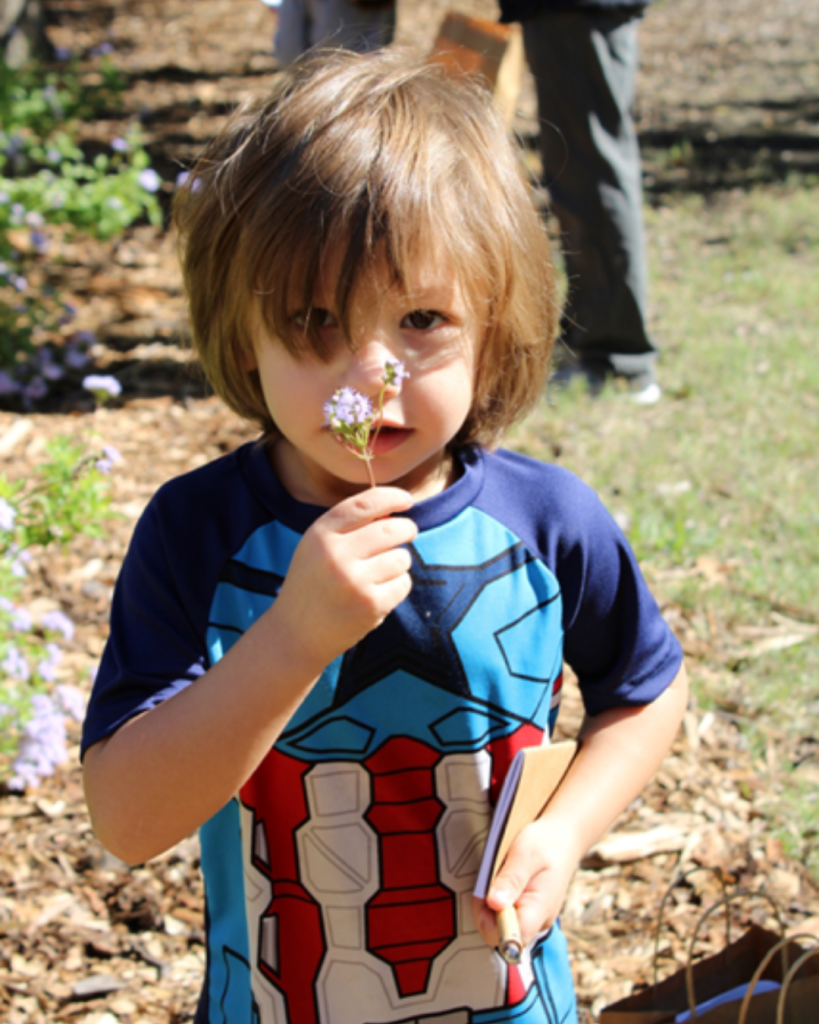
A special feature of our program, the Preschool classroom brings together 3-, 4-, and 5-year-olds in a multi-age learning community.
Whenever possible, we practice teacher continuity, allowing children to remain with educators who know them well, supporting smoother transitions and deeper relationships.
Extended blocks for exploration and projects, daily outdoor learning, shared meals, rest, and reflection – predictable yet responsive to children’s interests.
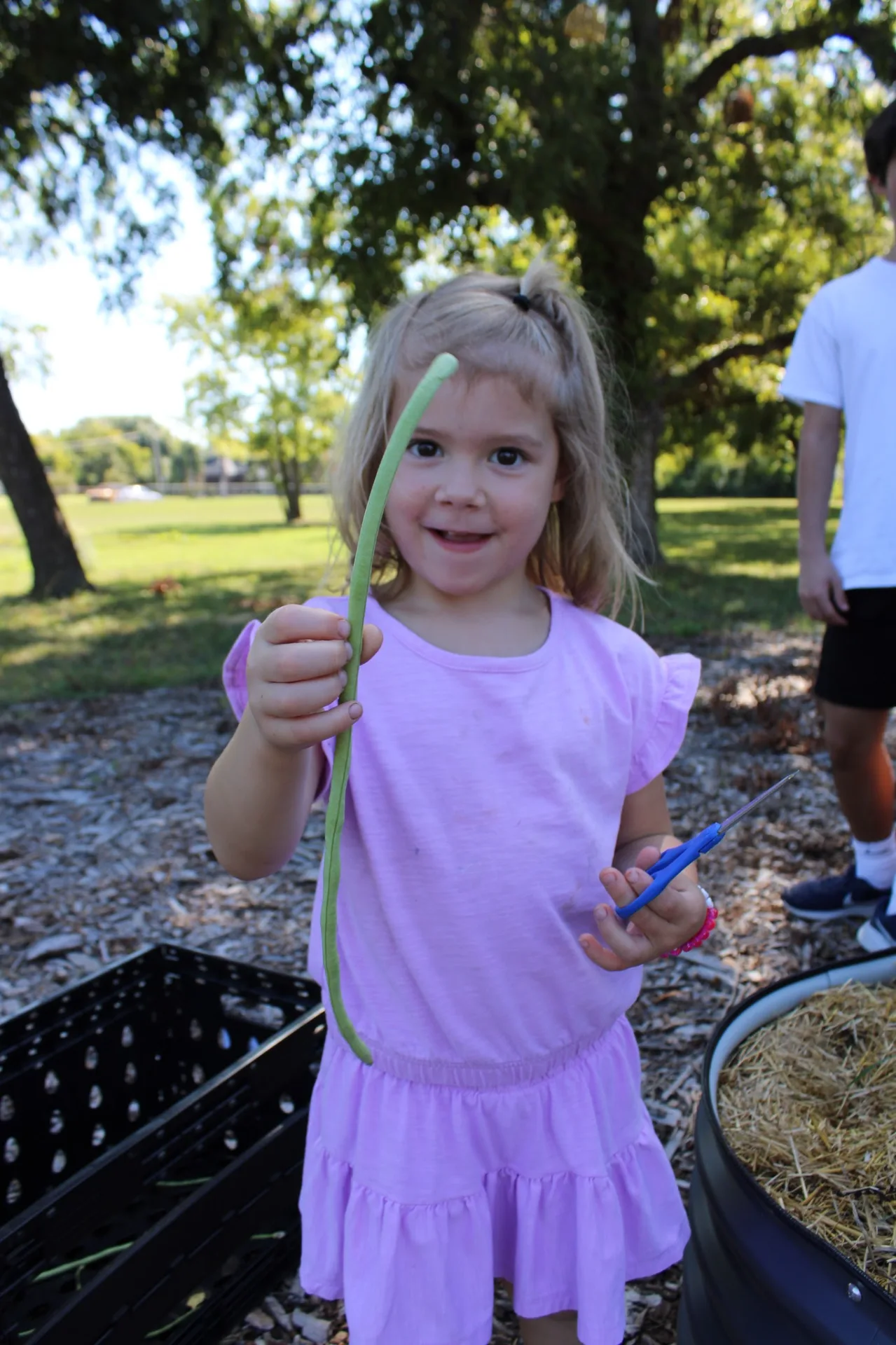
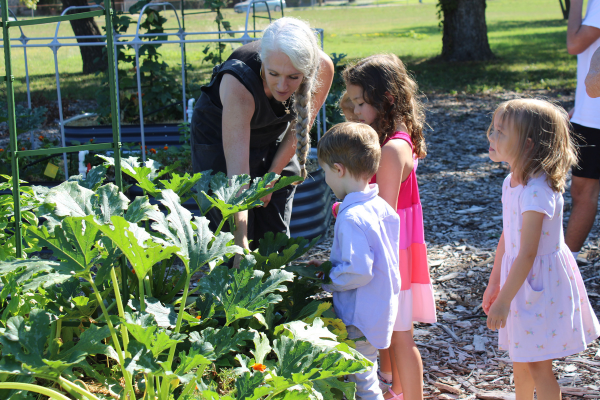
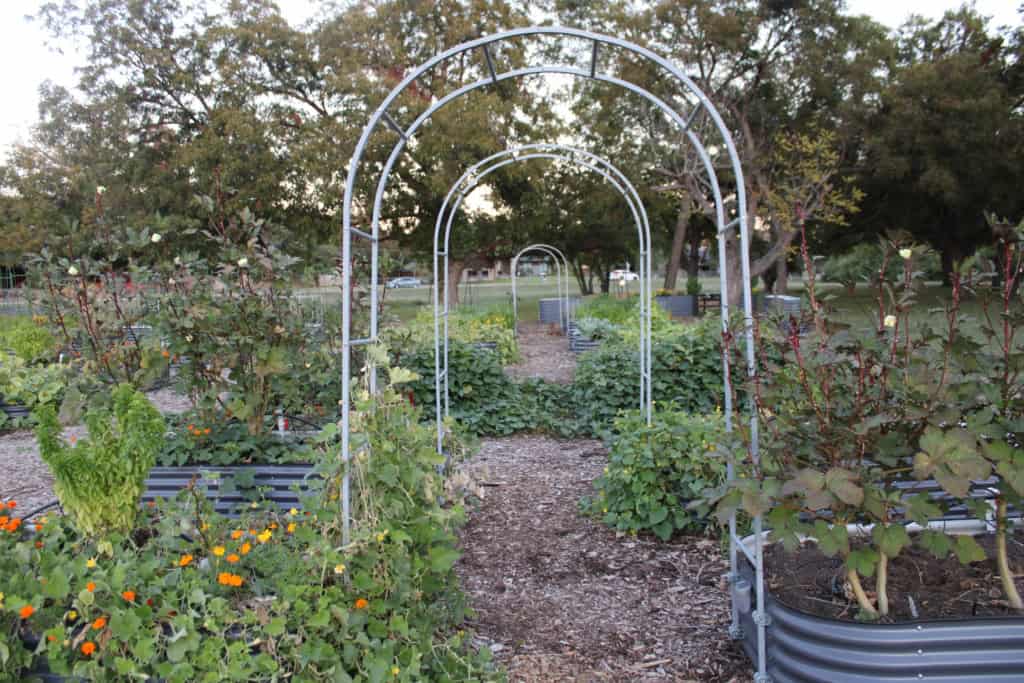
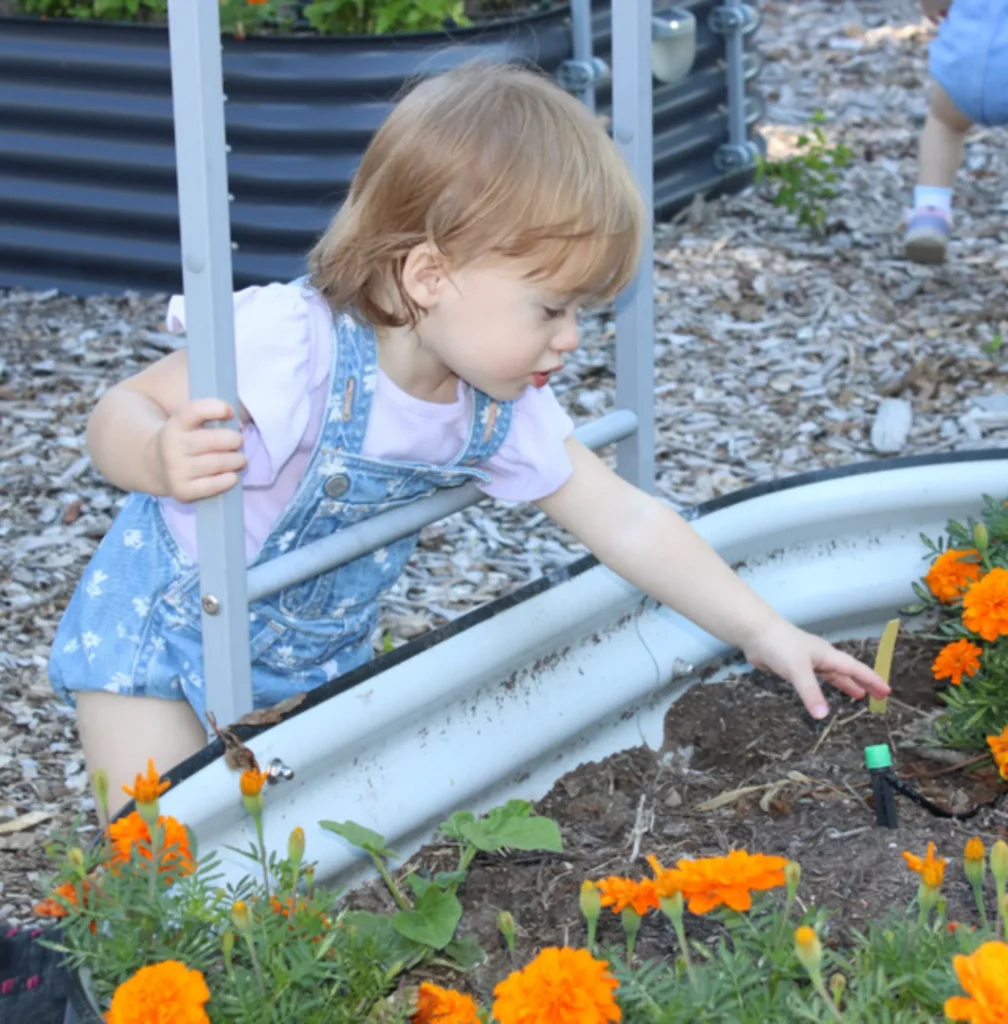
Nature is woven into daily learning through gardening, outdoor exploration, and open-ended play. Children learn by doing – planting, observing, building, and wondering – on our 14-acre campus.
Jewish values guide our days through lived experience: kindness, gratitude, community, and care for the world. Weekly Shabbat moments and holiday celebrations are shared in inclusive, age-appropriate ways that welcome all families.

We are opening our first year with approximately 40 children, intentionally limiting enrollment so we can build strong relationships, smooth transitions, and a calm learning environment from the very beginning.
Our long-term vision is to grow thoughtfully toward approximately 100 children, preserving the intimacy that defines our approach.
All ECC classrooms are located behind a second secure entrance within the Temple Shalom campus. Children also have access to expansive indoor and outdoor spaces, ensuring learning continues in every season and regardless the weather.
Children learn alongside a Master Garden Educator and a Music Specialist, working in partnership with classroom teachers to enrich learning through creativity, rhythm, and environmental stewardship.
Temple Shalom’s Early Childhood Center is part of a larger, caring holy community that supports children and families well beyond the early years. Through continuity of care and lifelong learning, children grow within a sacred community where relationships matter, values are reinforced over time, and families feel connected at every stage.
Founding Director, Early Childhood Center
Emmaline Rosenthal is the Founding Director of the Temple Shalom Early Childhood Center, bringing more than twelve years of experience in Jewish early childhood education, leadership, and community building.
She holds a Bachelor of Science in Early Childhood Development from the University of Texas and has worked with infants, toddlers, and preschool-aged children in a range of settings, including university lab schools and Reggio-inspired environments. Emmaline has held several leadership roles at the Jewish Community Center of Dallas, where she designed and led programs, supported educators, and partnered closely with families.
Emmaline is deeply committed to play-based, nature-rich learning and to creating environments where children feel known, capable, and inspired. Her work is guided by Jewish values, strong relationships, and thoughtful structure that allows educators and children to thrive together.
Temple Shalom’s campus offers rare flexibility and abundance:
Children are never confined to a single room. Learning unfolds across the campus.
Phase 2 (2027-2028) Will Add
Our growth is intentional guided by advisors, families, and long-term sustainability.
Phase 1 (2026-2027) Includes
While our building plans and renderings are still in progress, we welcome families to connect with us through virtual appointments with our team. These conversations are a great way to learn more about our approach, ask questions, and see if our Early Childhood Center feels like the right fit for your family.
Families who join us during our opening year become Founding Families, helping shape the culture, traditions, and relationships that will define our community for years to come.
No. Temple membership is not required for a child to attend the Early Childhood Center. Jewish families who are interested in learning more about Temple Shalom membership are welcome to reach out to our membership team, but enrollment in the ECC is open to all families.
Not at all. Our Early Childhood Center is warmly welcoming to families of all backgrounds. Families do not need to be Jewish to feel comfortable or belong here.
We welcome children from 2 months through 5 years:
• Infants: 2-11 months
• Young Toddlers: 12-18 months
• Older Toddlers: 19-35 months
• Preschool: 3-5 years
The Early Childhood Center offers full-day programming designed to support working families, with consistent daily hours.
Not at this time. The ECC offers five-day enrollment only in its opening years.
Read more about our tuition here
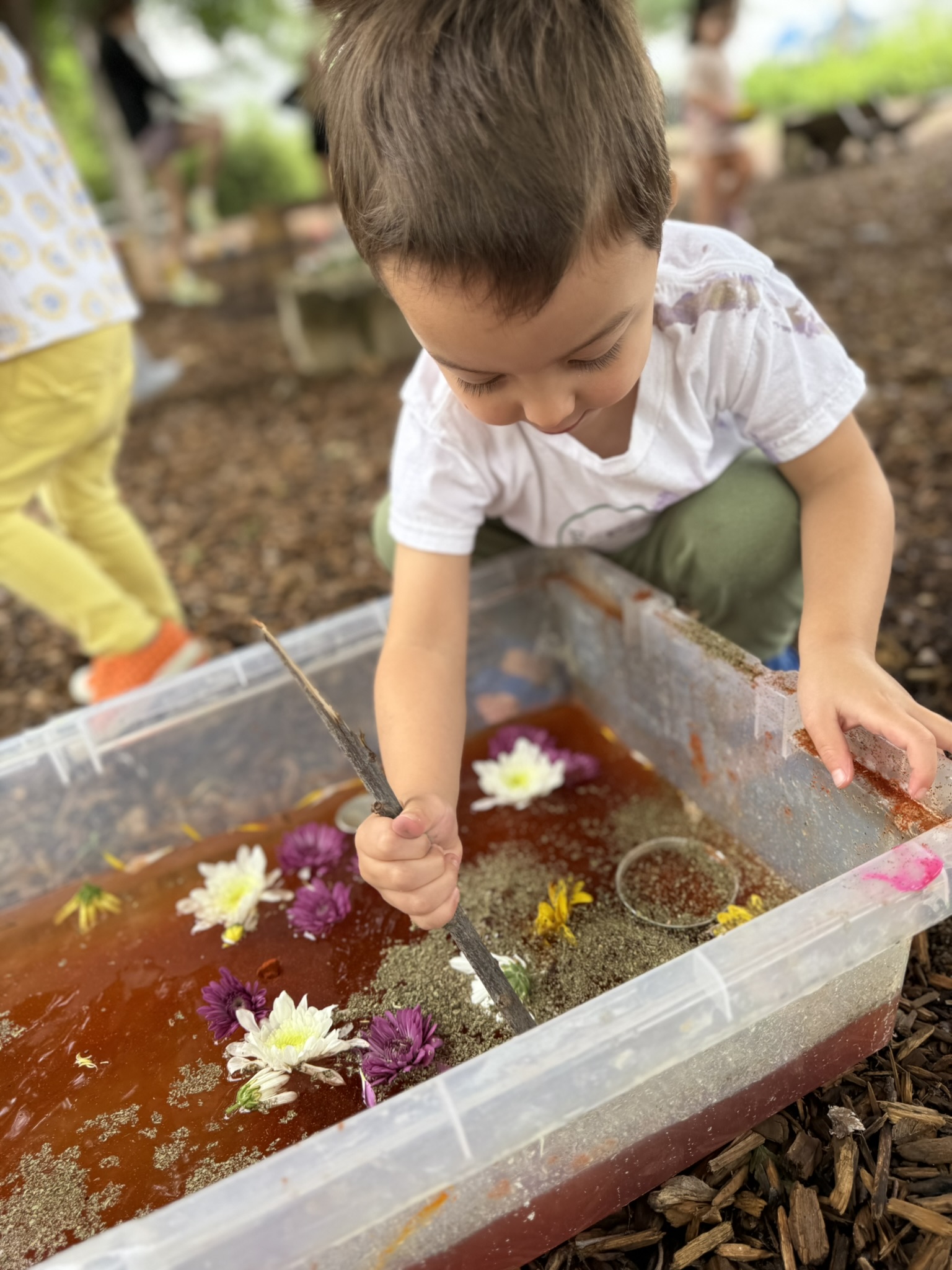
Research shows that play is central to how young children learn and grow – not just socially and emotionally, but also cognitively, physically, and linguistically. Through play, children explore ideas, solve problems, interact with others, express themselves, and build foundational skills for future learning. Play helps children make sense of the world around them in ways that are meaningful and engaging, laying the foundation for life-long curiosity and joy in learning.
Play-based learning means that children learn through playful exploration and meaningful experiences that are enjoyable, child-centered, and rooted in their natural curiosity.
In a play-based classroom, learning is woven naturally into children’s everyday activities, making learning both meaningful and memorable – not forced or artificial.
Outdoor learning is an important part of our day. Children go outside daily, weather permitting, and use our gardens, green spaces, and outdoor learning areas as extensions of the classroom.
For our infants, time spent outdoors is heavily weighted by weather conditions and age of the child. The goal is to spend as much time outside as possible, but these smaller ages are not able to move and bundle up like older ages can. We believe in quality over quantity when it comes to outdoor times with these youngest children and this might look like multiple, short trips outside throughout the day
For our toddlers and mixed age preschool group, children will spend large, dedicated chunks of time outdoors (weather permitting). Our small school size, lower ratios, and various outdoor spaces ensure children having ample access to the natural world for as long as appropriate and safe.
We believe strong, trusting relationships are the foundation for healthy behavior. Our educators use a gentle, respectful approach that focuses on teaching self-regulation and social skills. When challenges arise, teachers guide children through redirection, modeling, and positive reinforcement, always honoring each child’s developmental stage.
No. Toilet learning is a developmental process, and children begin when they are ready. Our teachers partner closely with families to support each child gently and consistently as interest and readiness emerge.
Each classroom follows a predictable daily rhythm that includes play, group time, outdoor exploration, meals, rest, and reflection. While routines provide security, teachers remain responsive to children’s needs and interests.
Our classrooms are led by experienced early childhood educators who prioritize relationships and continuity of care. Children also learn with specialists, including a Master Garden Educator and a Music Specialist, who work closely with classroom teachers.
Meals and snacks follow Kosher-style guidelines. We are a nut-sensitive program, and food policies are designed to support children’s health, safety, and well-being.
Your child’s health and safety are a top priority. All allergies are carefully documented, and an Allergy Action Plan from your child’s physician is required, along with any necessary medications. Classroom families are informed of allergies as needed to ensure a safe environment for everyone.
All ECC classrooms are located behind a second secure entrance within the Temple Shalom campus. Safety procedures are in place to ensure children are supervised and protected throughout the day.
Families are invited to connect with us through virtual appointments while our space is being finalized. You can also fill out the interest form, and a member of our team will be in touch shortly.
No. Children do not automatically move classrooms based on birthdays. Transitions are planned intentionally, in partnership with families.
Your child does not have to move immediately. We prioritize continuity and plan transitions thoughtfully.
Whenever possible, yes. We value continuity and aim to loop teachers with children when it best supports learning and relationships. While not guaranteed, continuity is a guiding principle that helps children feel secure and families feel connected.
Research shows continuity reduces stress, strengthens relationships, and supports social-emotional development.
In a child-centered program, learning begins with the child — who they are, what they’re curious about, and how they naturally learn. Rather than expecting all children to move through the same lessons at the same pace, teachers thoughtfully observe children’s interests, strengths, and developmental needs and use those observations to guide learning experiences.
This means your child isn’t just following directions — they’re actively engaged, asking questions, making choices, and discovering ideas in ways that feel meaningful to them. Teachers play an important role by creating a rich environment, offering guidance, and gently extending learning through conversation, materials, and experiences. The goal is not to rush children toward outcomes, but to support deep understanding, confidence, and joy in learning.
Guided by best practices from the National Association for the Education of Young Children, a child-centered approach honors each child’s unique path. Children learn to trust themselves as learners, build strong relationships, and develop the curiosity and independence that support success not just in school, but in life.
We hear this question a lot, and it’s an important one. Our approach is simple: we focus on building the foundation for learning rather than rushing children into early academics. Research and guidance from the National Association for the Education of Young Children show that children are most successful in kindergarten when they feel confident, capable, and excited to learn — not when they’ve just practiced skills early.
In our classrooms, children are gently introduced to early literacy, math, and problem-solving concepts through play, stories, conversations, and everyday routines. They might be counting blocks while building, noticing patterns during art, experimenting with letters in meaningful ways, or telling stories with friends. These experiences help children understand how learning works, not just memorize answers.
Just as importantly, we help children develop the skills teachers look for on the first day of kindergarten: following routines, managing big feelings, working with others, trying again when something is tricky, and taking pride in their independence. When children have these foundational skills, academics can grow naturally and with confidence.
By honoring children’s natural development and curiosity, we ensure they head to kindergarten ready — not rushed — and prepared for a lifelong love of learning.
Children grow and develop at different rates – even when they’re the same age. That’s why our approach focuses on meeting each child where they are, rather than expecting all children to reach the same outcomes at the same time. Guided by best practices from the National Association for the Education of Young Children, we design learning experiences that are flexible, responsive, and developmentally appropriate.
Teachers carefully observe children as they play, interact, and explore. Those observations help us adjust materials, questions, expectations, and levels of support so that every child can engage meaningfully. A single activity might look different for different children – one child may be experimenting and exploring, while another is ready to extend their thinking with more complex ideas. This ensures that all children are both supported and challenged in ways that feel successful and encouraging.
Our mixed-age 3–5 classroom is intentionally designed to support a wide range of developmental stages. Rather than separating children strictly by age, we focus on developmental readiness, interests, and strengths.
In a mixed-age setting:
Teachers play a key role by offering individualized support, asking thoughtful questions, and introducing gentle extensions for children who are ready, while still honoring the learning pace of younger or developing learners. This creates a classroom community where children feel capable, connected, and respected.
By embracing mixed-age learning, we help children develop academic foundations, social awareness, and confidence — preparing them not just for kindergarten, but for learning alongside others in a diverse and dynamic world.