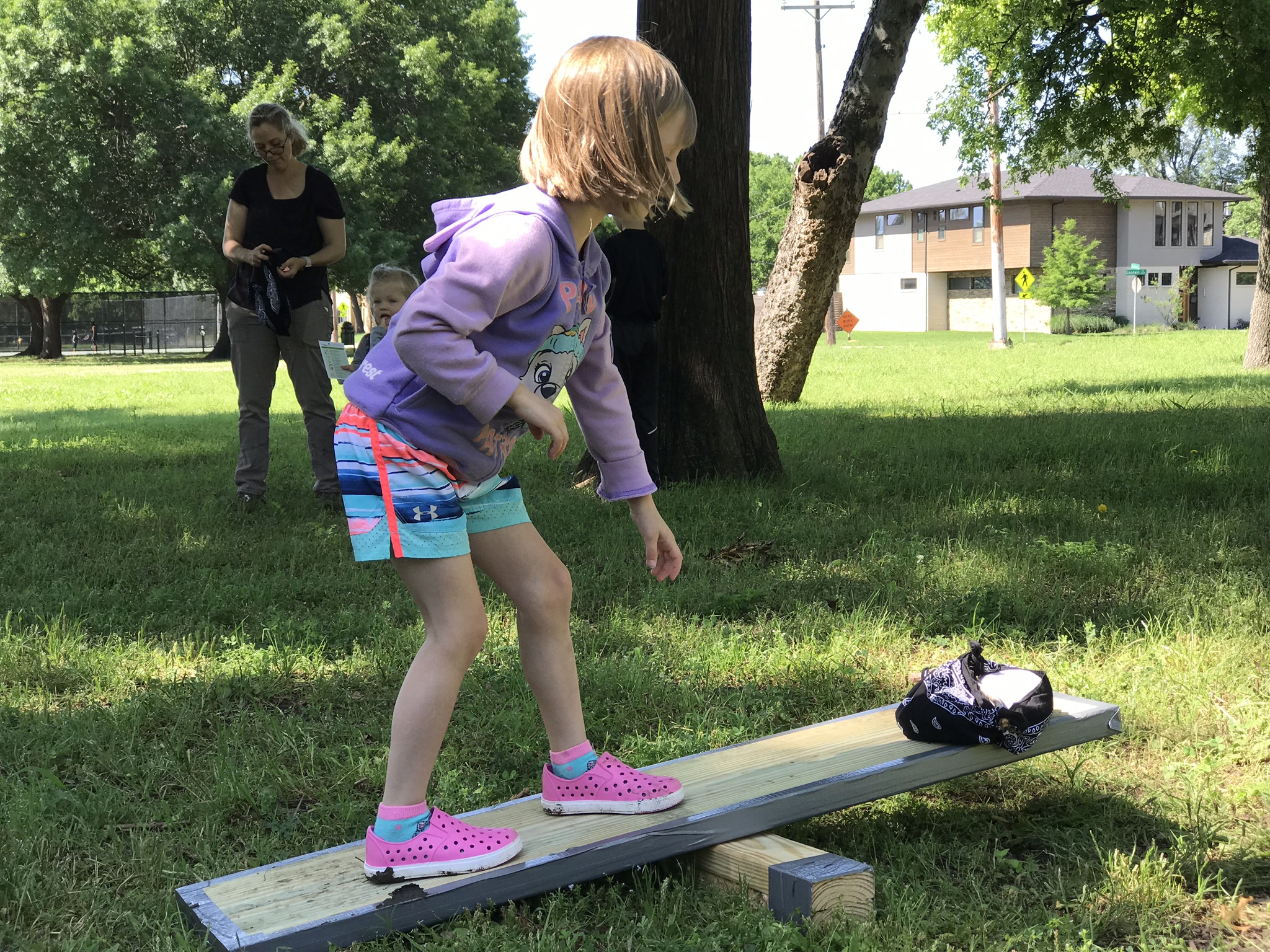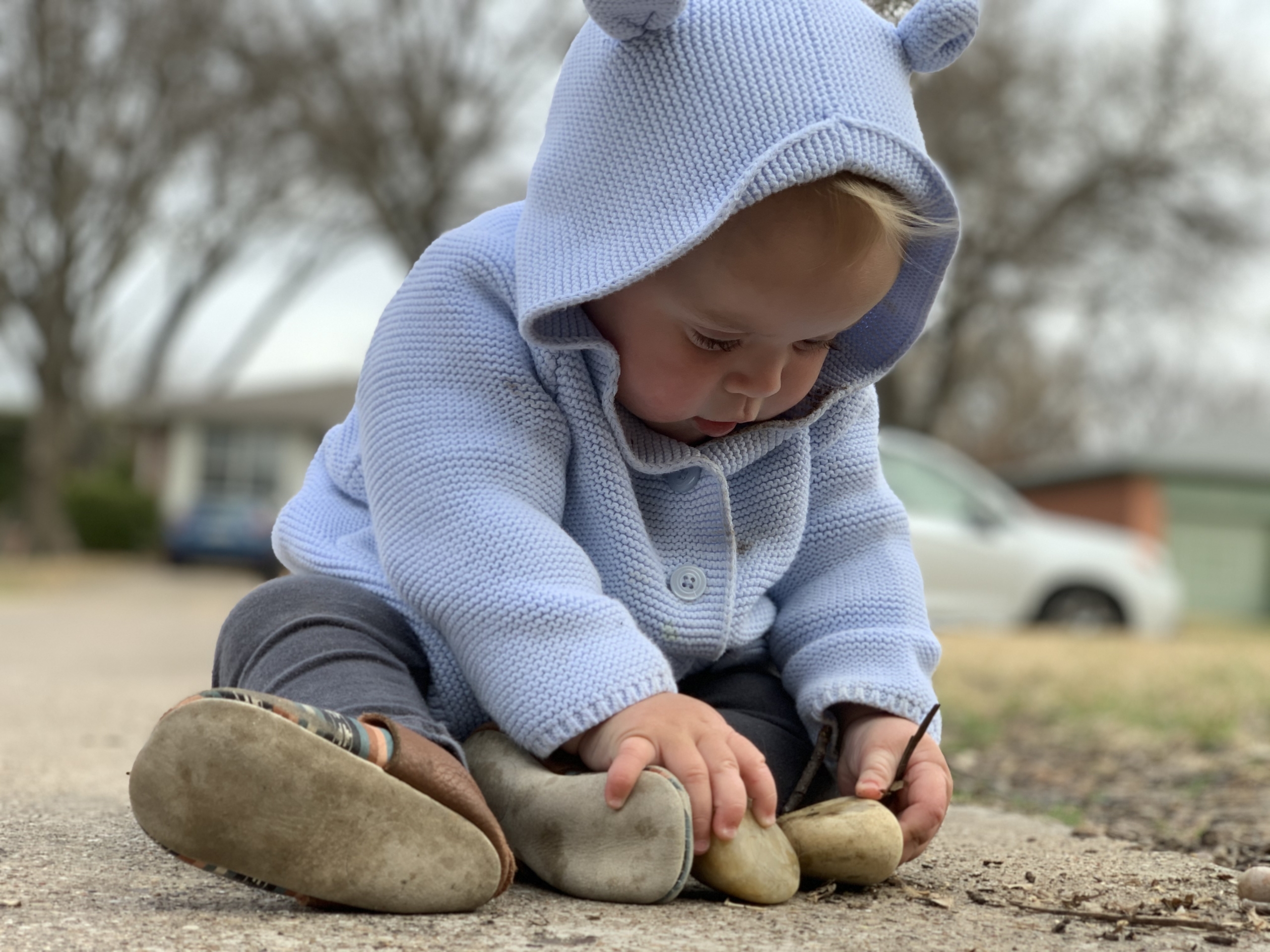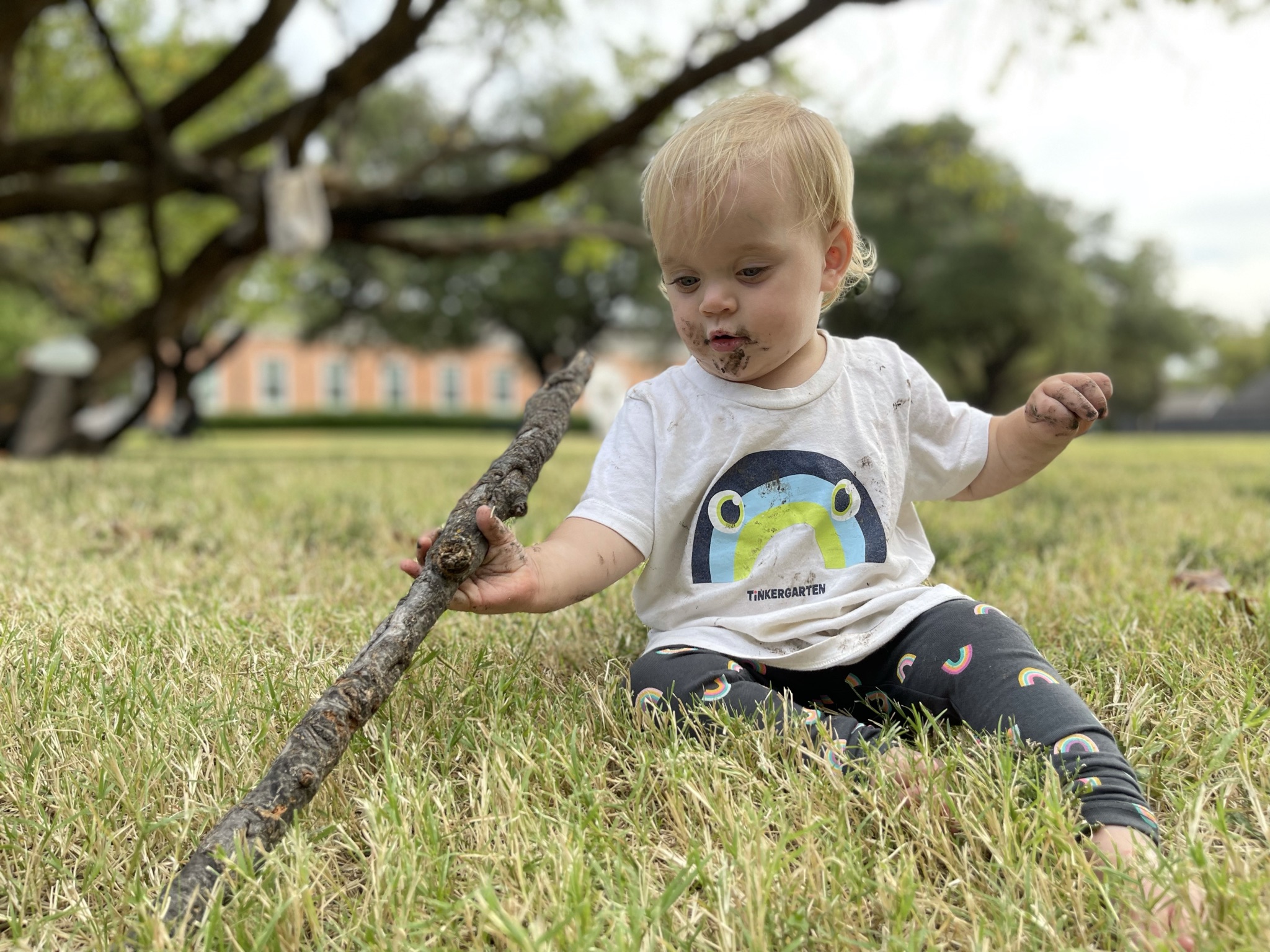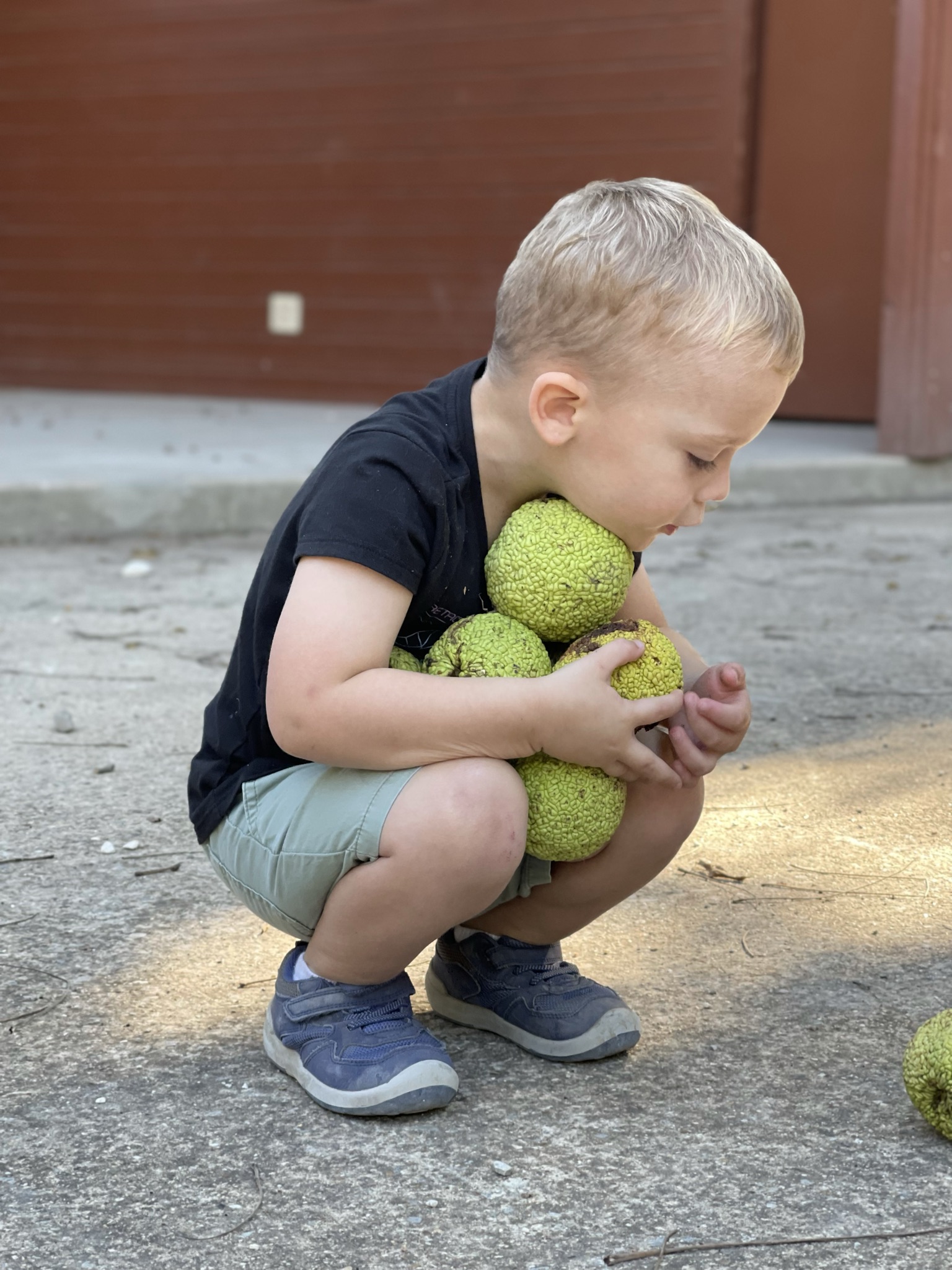
At Temple Shalom Early Childhood Center, you might notice moments that don’t immediately make sense to an adult eye.
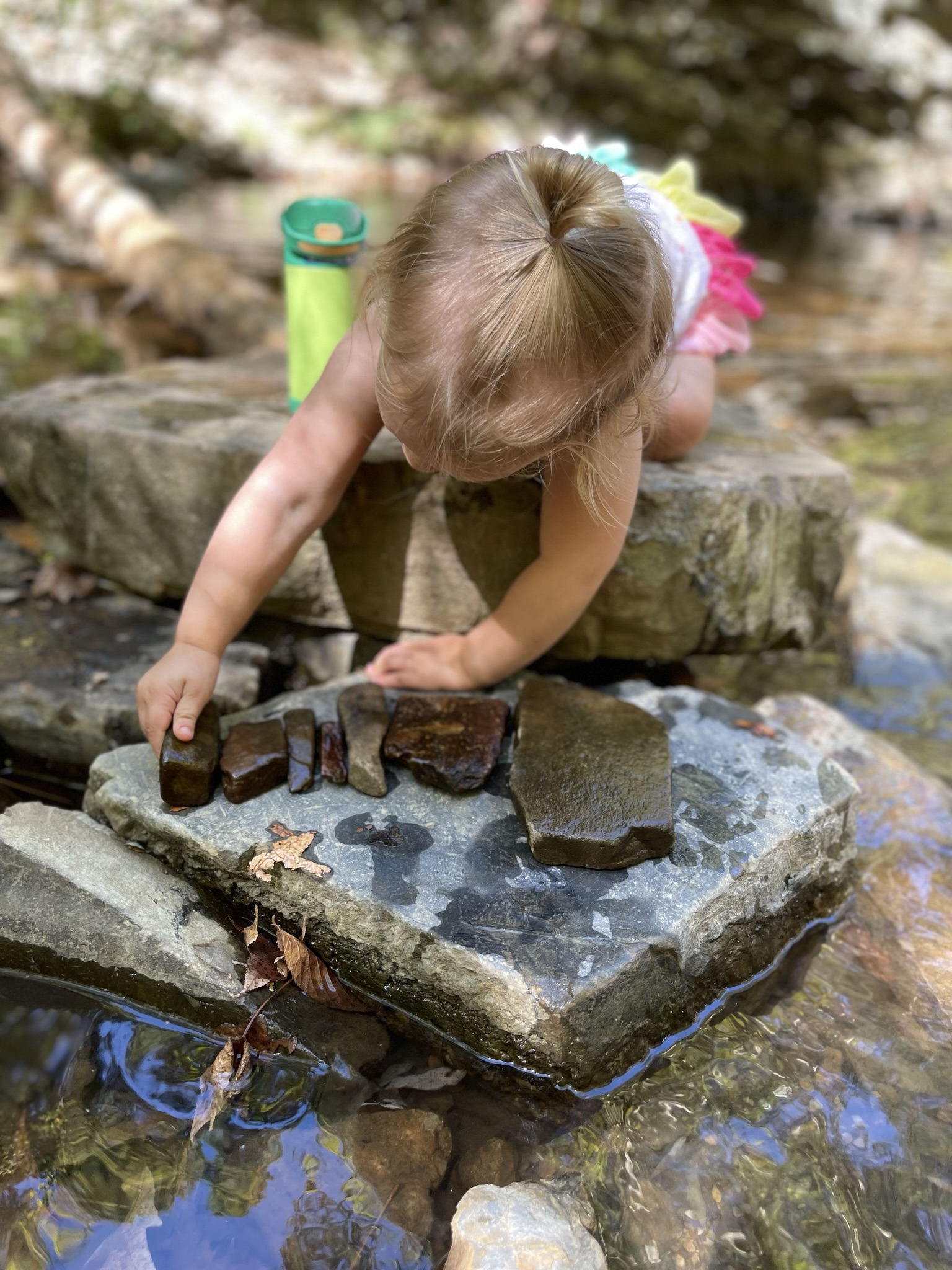
A child moving the same basket of rocks back and forth across the yard.
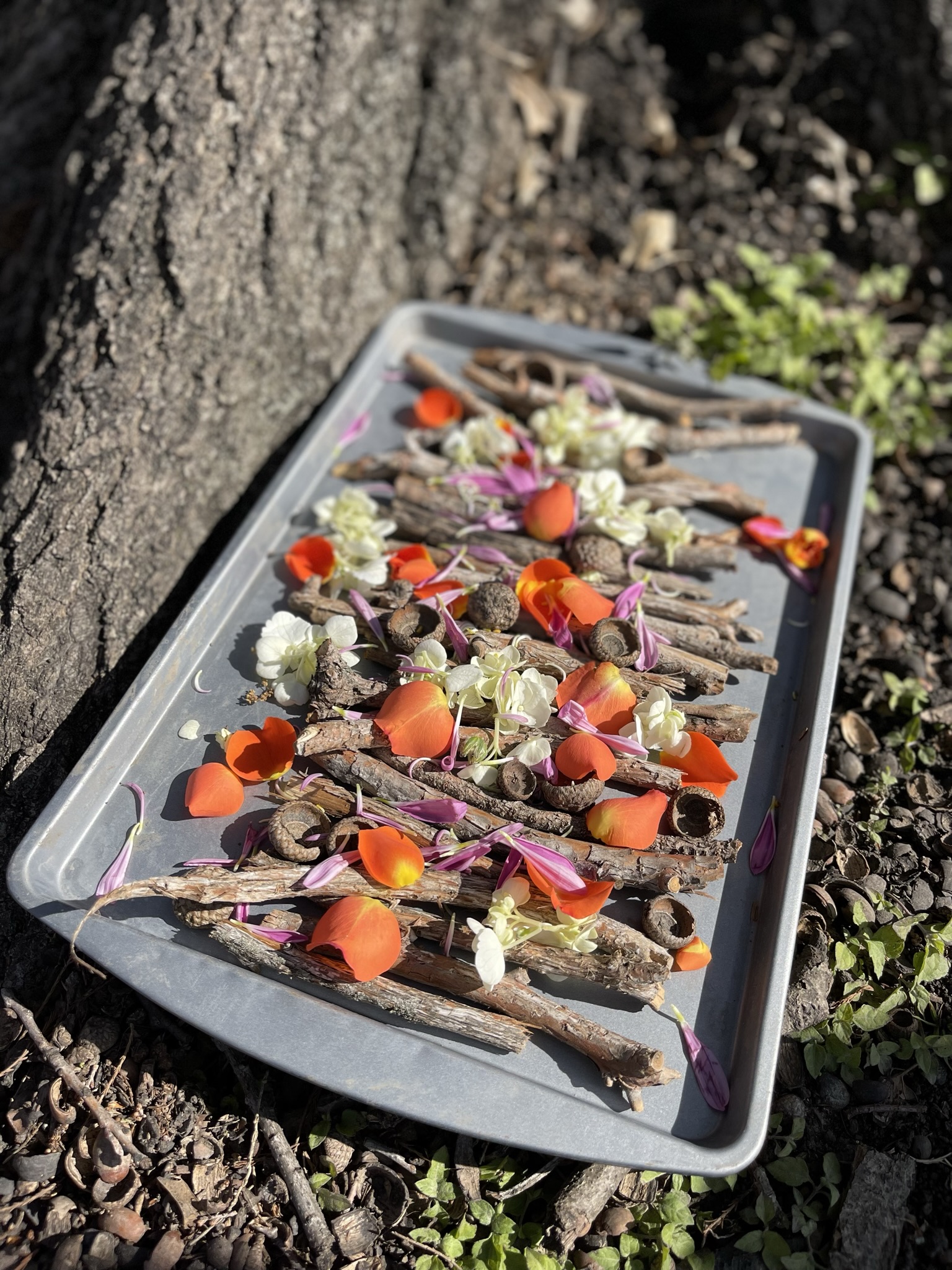
Another carefully lining up sticks in a long, winding row.
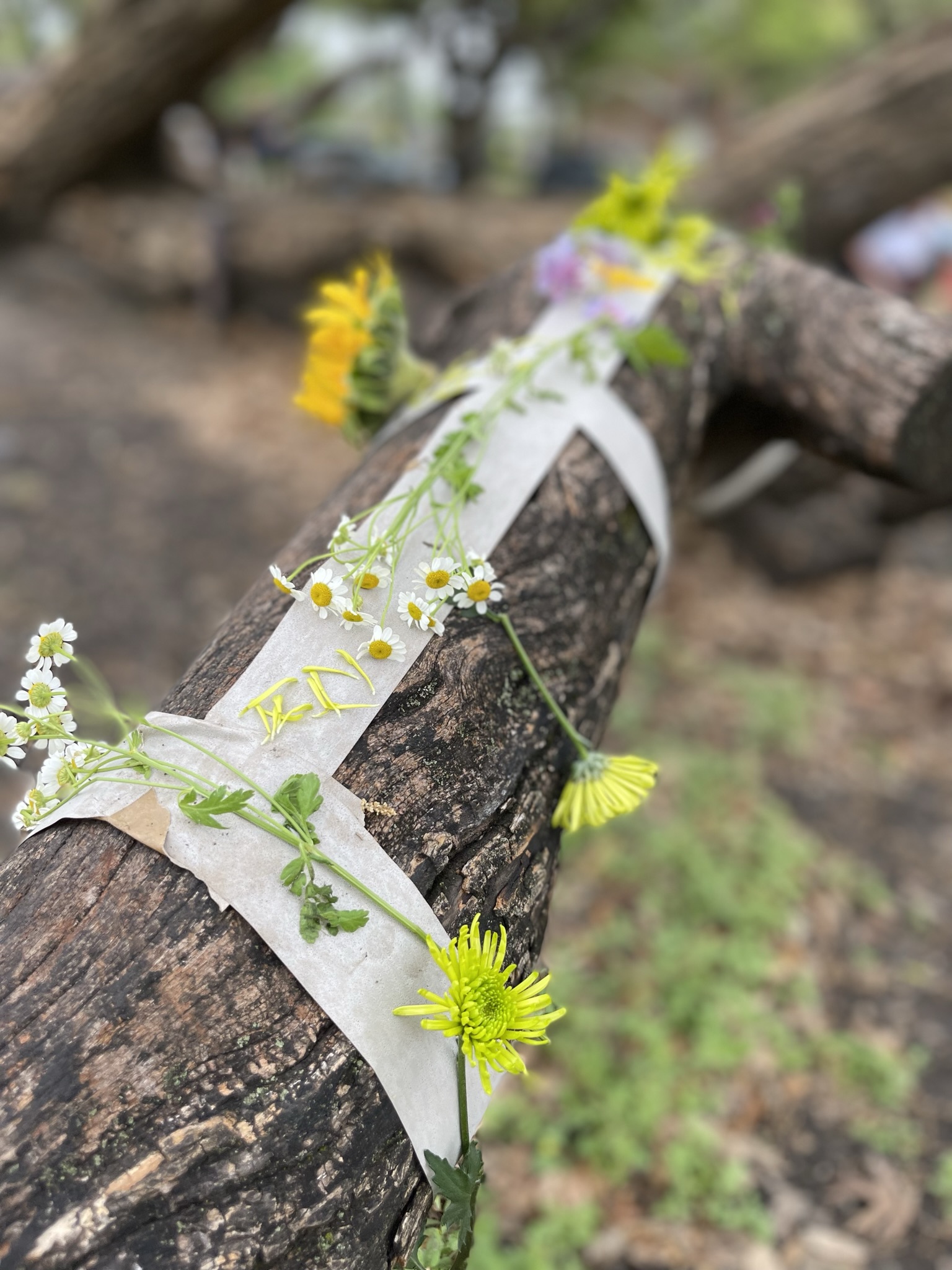
A small group deeply focused on wrapping fabric around a collection of logs.
It can look repetitive. It can look simple. But these moments are often where the richest learning is happening.
What You’re Seeing: Loose Parts in Action
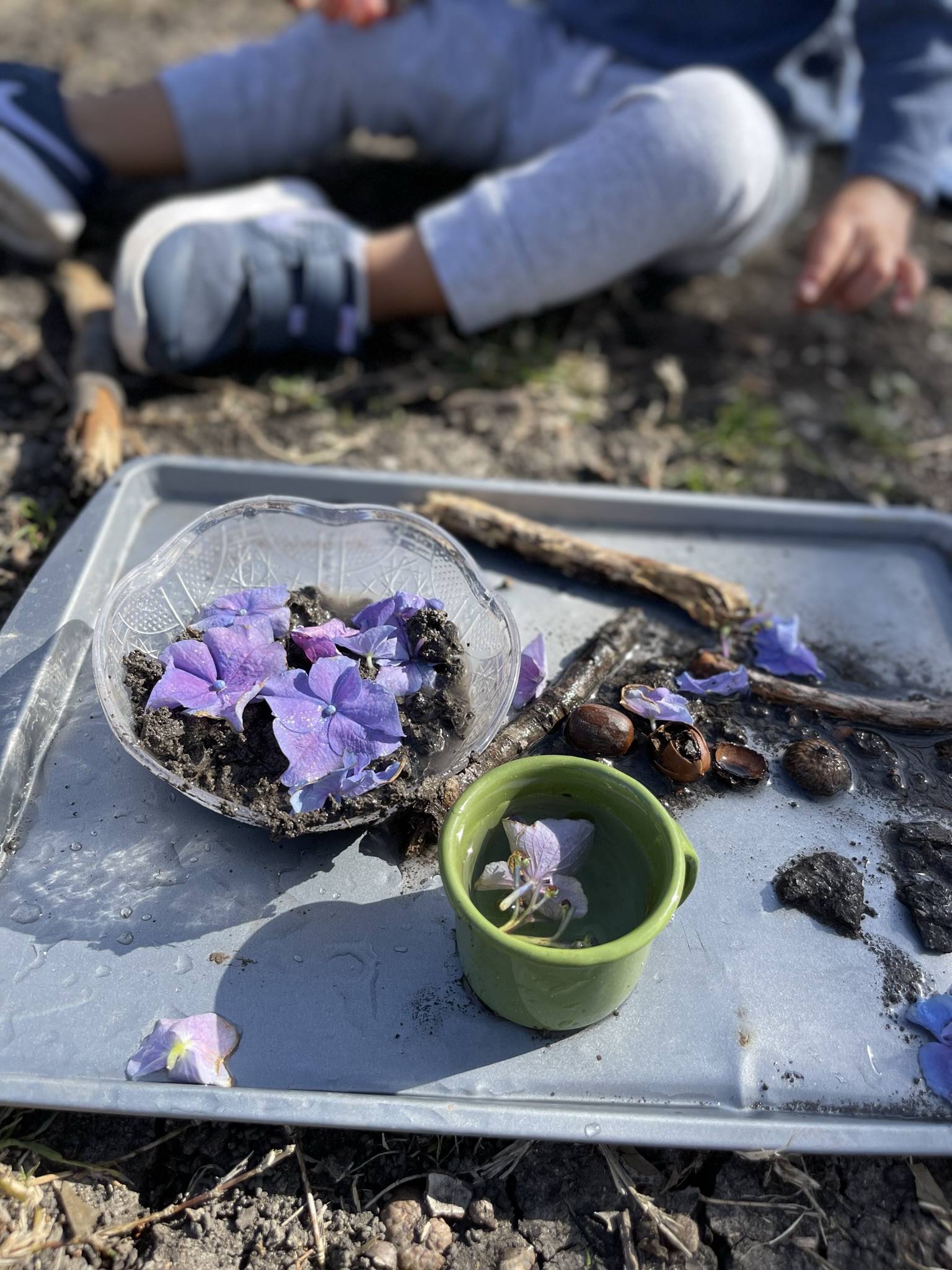
Throughout our indoor and outdoor environments, you’ll find a mix of materials—blocks, puzzles, books, art supplies, and also collections of what we call loose parts. Loose parts are open-ended materials that can be moved, combined, redesigned, and used in countless ways. They don’t come with instructions or a single purpose.
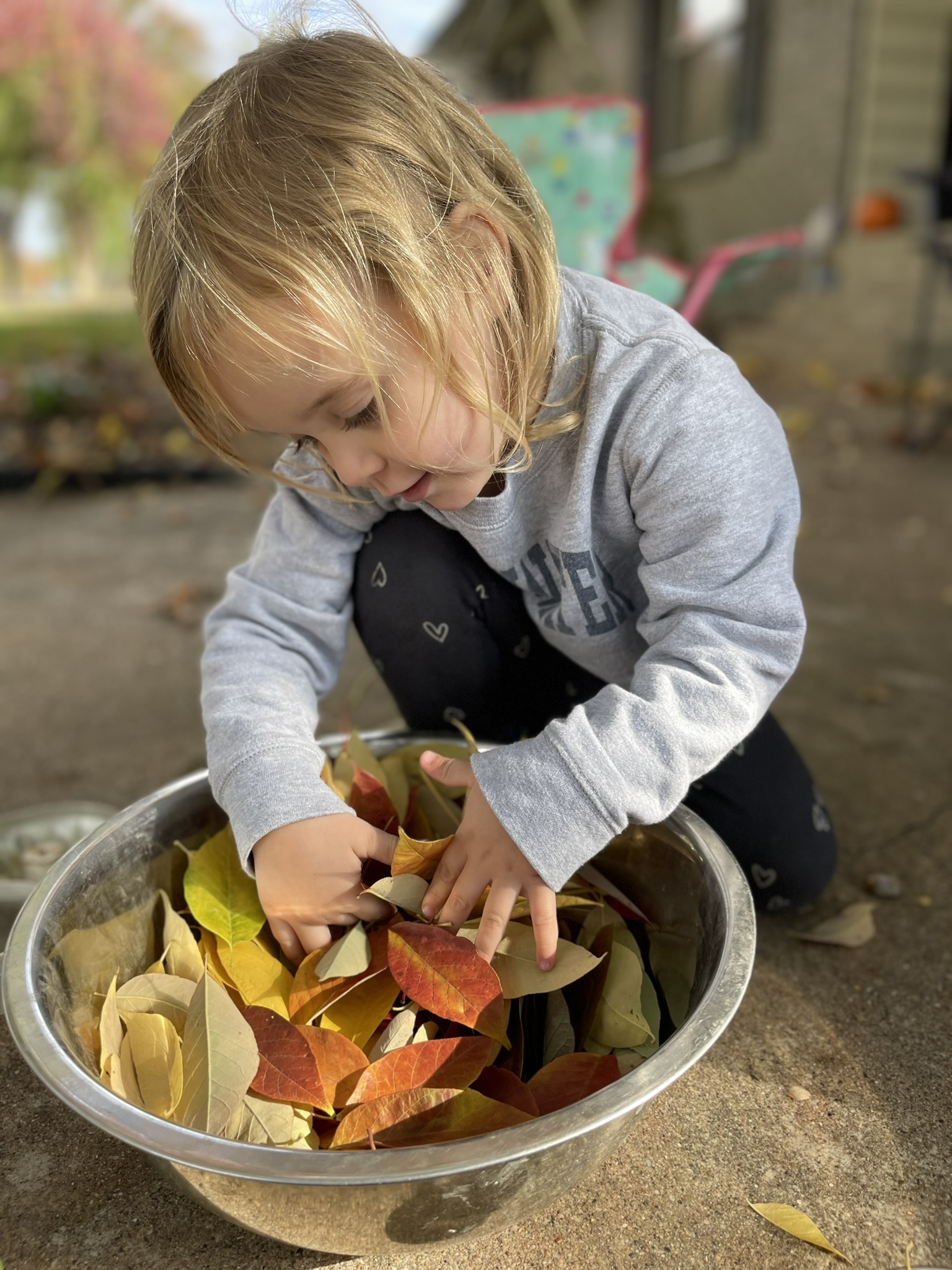
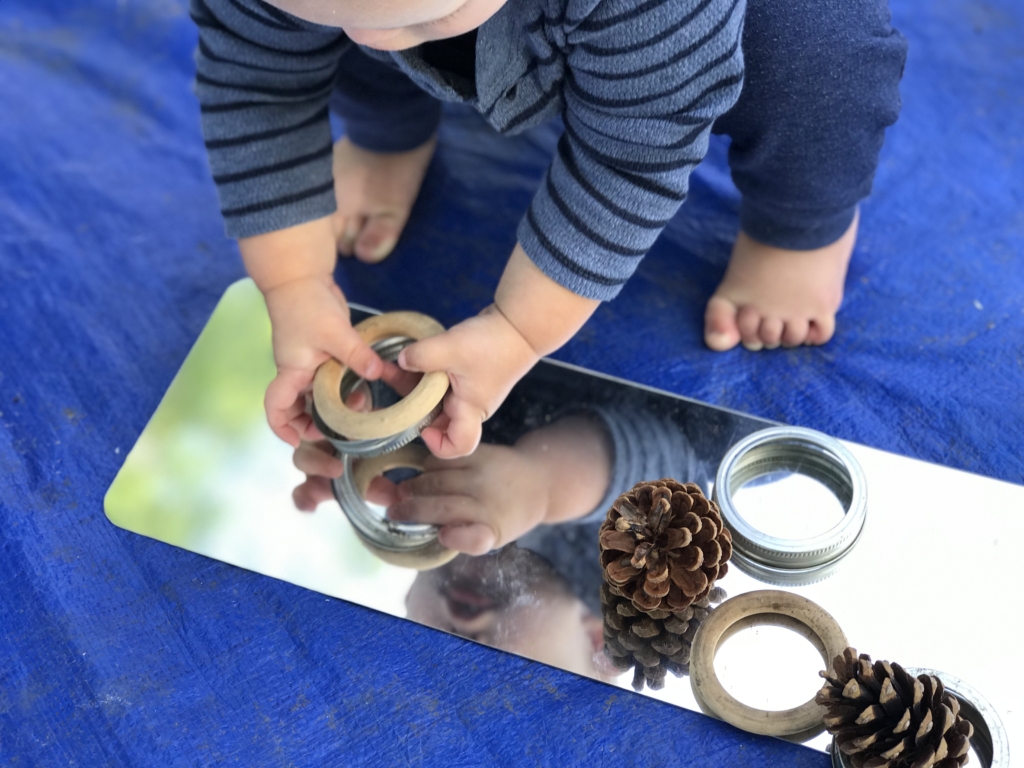
In a nature-based program like ours, we intentionally emphasize natural loose parts—things like sticks, stones, wood pieces, leaves, pinecones, and shells. These materials connect children to the rhythms of the seasons and the textures of the natural world.
At the same time, loose parts are not limited to what we find outdoors. You may also see:
- cardboard and paper tubes
- egg cartons and small containers
- fabric, scarves, and other textiles
- baskets, lids, and loose hardware
- thoughtfully selected thrifted or repurposed items
These materials expand the possibilities for creativity and problem-solving. They invite children to see potential in everyday objects and to use materials in ways that go far beyond their original purpose.
Looking Beyond the Surface
When adults observe children’s play, it’s natural to look for a clear outcome: What are they making? What’s the goal? What’s the end result?
But children’s play—especially with open-ended materials—is often more about the process than the product. What can look random is often deeply intentional.
That child moving rocks back and forth? They may be exploring weight, distance, and effort.
The child lining up sticks? They might be experimenting with order, pattern, or spacing.
The group wrapping fabric around logs? They could be building a shared idea, telling a story, or figuring out how materials connect and hold together.
The Hidden Pattern: Schemas
At Temple Shalom Early Childhood Center, we pay close attention to something called behavioral schemas – repeated patterns in how children play and explore. Schemas are the ways children naturally investigate how the world works. When a child repeats an action over and over, it’s not just play – it’s research.
You might notice:
- Transporting: carrying materials from one place to another again and again
- Enclosure: building fences, circles, or “inside/outside” spaces
- Trajectory: throwing, dropping, or rolling objects to observe movement
- Connection: tying, stacking, joining, or linking materials
- Positioning: lining up, arranging, or organizing objects with precision
Loose parts are especially powerful because they flex to meet these drives. Instead of directing children toward a predetermined use, the materials respond to the child’s thinking. This allows us to support their learning more intentionally—by noticing patterns, offering language, and extending their ideas.
Why These Materials Matter
In both our indoor and outdoor classrooms, loose parts live alongside more familiar materials like blocks and puzzles. Each offers something valuable.
Loose parts, in particular, support:
- Flexible thinking – materials can become anything
- Problem-solving – children test, adjust, and try again
- Creativity – ideas come from the child, not the object
- Collaboration – shared materials invite shared thinking
- Deep engagement – children stay with ideas longer
They grow with children, meeting them at different stages and in different ways each day.
What Learning Looks Like Here
Learning at Temple Shalom Early Childhood Center doesn’t always result in something you can take home or hold in your hands. Sometimes it looks like repetition. Sometimes it looks like experimentation. Sometimes it looks like something you can’t quite name right away.
But underneath, children are building theories, making connections, testing limits, developing persistence, and constructing an understanding of their world.
As you observe your child in our spaces, we invite you to look with curiosity. Instead of asking, “What did you make?”, you might ask, “What were you working on?” or “What did you notice?”
You may be surprised by the depth of their thinking – and the intention behind what first appeared simple. Because often, the most meaningful learning doesn’t announce itself. It unfolds quietly, in the movement of stones, the placement of sticks, and the ideas children are building along the way.
Bonus: A simple loose parts starter kit for home
If you’re curious about bringing this kind of play into your home, it doesn’t require buying anything new. In fact, some of the best materials are the ones you already have.
You might start with a small basket or bin and collect a few items like:
- sticks, stones, or pinecones from outside
- cardboard tubes or small boxes
- egg cartons or containers
- fabric scraps, scarves, or dish towels
- bottle caps, lids, or large buttons
Place them together in an accessible space and simply invite your child to explore. There’s no need to give instructions. You might just say, “I wonder what you could make with these.” And then step back.
You may see the same kinds of play you see at school – repeating, building, moving, arranging. This is a sign that your child is engaged in meaningful work.
A helpful reminder: it’s less about creating something to keep, and more about giving children the time and space to think, test, and imagine.